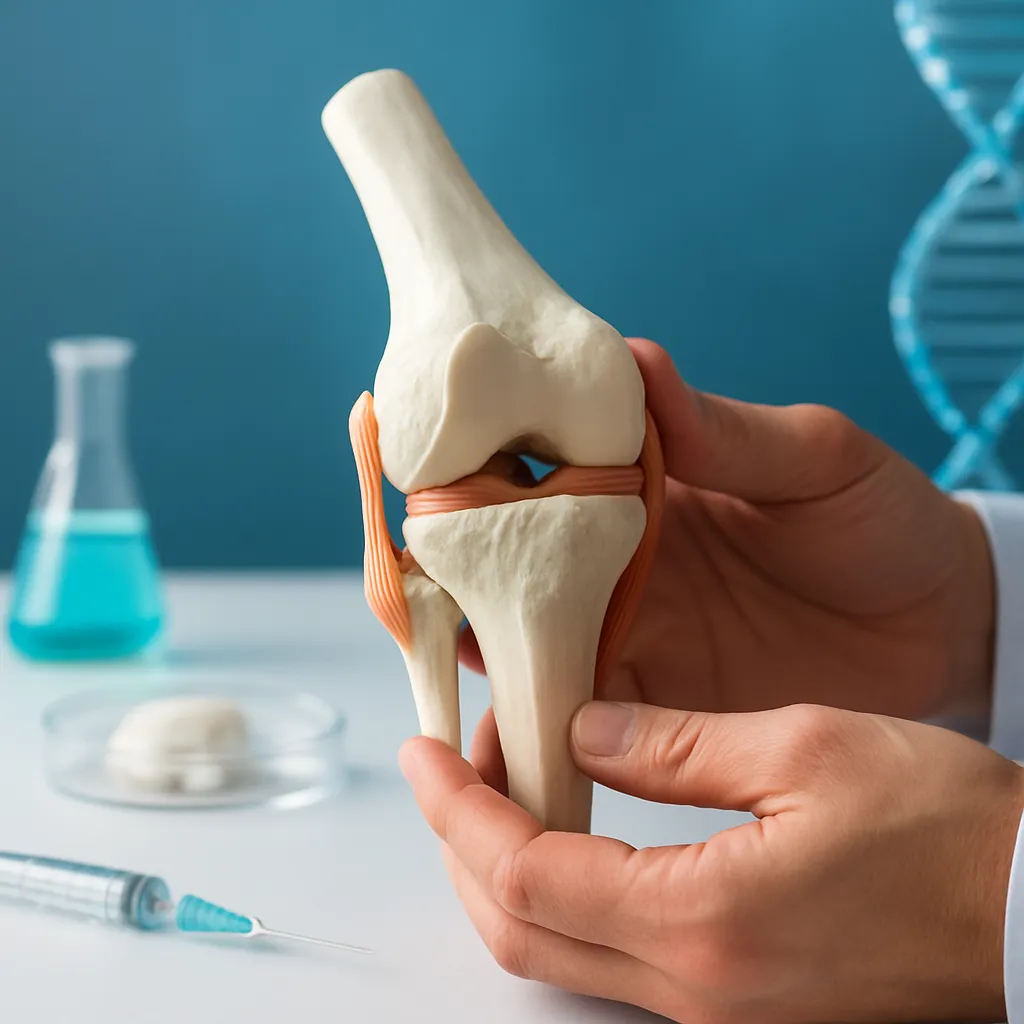




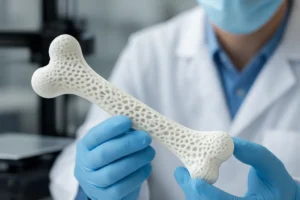


Early detection of bone disorders is a critical component in maintaining skeletal integrity and overall health. Identifying pathological changes before symptoms become severe enables clinicians to deploy targeted treatments that can slow disease progression, enhance quality of life, and reduce long-term healthcare costs. This article explores the underlying mechanisms of common bone diseases, outlines contemporary diagnostic methods, examines the benefits of timely therapeutic strategies, and highlights cutting-edge research directions in bone medicine.
Pathophysiology and Risk Factors
Bone Remodeling Dynamics
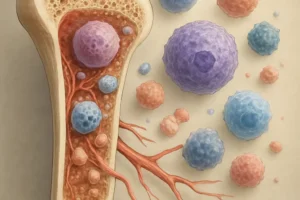
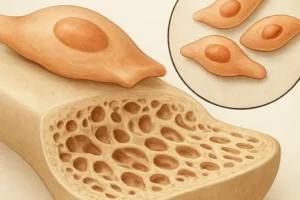
Bone is a dynamic tissue that undergoes continuous remodeling through the coordinated activity of osteoclasts and osteoblasts. Disruption in this balance can lead to conditions such as osteoporosis—characterized by diminished bone mass—and osteoarthritis, where cartilage degeneration affects adjacent bone structures. Genetic predispositions, hormonal shifts, and environmental influences all modulate remodeling cycles at the cellular and molecular levels, altering the production of growth factors, cytokines, and structural proteins within the bone matrix.
At a cellular scale, signaling pathways involving RANK/RANKL/OPG and Wnt/β-catenin govern osteoclast differentiation and osteoblast maturation. Aberrant expression of these pathways can manifest in reduced bone formation or excessive resorption. Researchers have also identified various biomarkers—including collagen cross-links, alkaline phosphatase isoforms, and bone turnover markers in serum and urine—that reflect real-time remodeling activity. Monitoring these indicators offers a window into early pathological shifts, even before radiographic changes appear.
Key Risk Factors
- Age and sex hormones: Postmenopausal estrogen deficiency accelerates bone loss, while age-related decline in testosterone can compromise bone density in men.
- Genetics: Polymorphisms in genes encoding collagen type I and vitamin D receptors contribute to inherited susceptibility.
- Nutritional deficiencies: Insufficient calcium, vitamin D, and protein intake impairs matrix mineralization and cellular vitality.
- Medication and comorbidities: Long-term corticosteroid use or conditions such as hyperthyroidism and chronic kidney disease disrupt homeostasis.
Diagnostic Strategies for Early Detection
Advanced Imaging Techniques
Modern diagnostic imaging has revolutionized the early identification of skeletal pathology. Dual-energy X-ray absorptiometry (densitometry) provides a quantitative assessment of bone mineral density (BMD), serving as the gold standard for osteoporosis screening. High-resolution peripheral quantitative computed tomography (HR-pQCT) and magnetic resonance imaging (MRI) further delineate microarchitectural changes in trabecular and cortical compartments, capturing details such as trabecular thickness and porosity.
Computed tomography (CT) with finite element analysis can estimate bone strength under simulated loading conditions, uncovering weaknesses that standard BMD scores might miss. Ultrasound techniques applied to the heel or tibia offer portable, low-radiation screening tools, although their precision remains lower than densitometry. These modalities are instrumental in comprehensive skeletal surveys, particularly for individuals at elevated fracture risk.
Biochemical Markers and Genetic Profiling
Laboratory assays measuring serum levels of C-terminal telopeptide (CTX) or N-terminal propeptide of type I collagen (PINP) quantify resorption and formation rates, respectively. Serial monitoring of these biomarkers allows clinicians to assess treatment efficacy and anticipate accelerated bone loss. Genetic testing panels have begun incorporating single nucleotide polymorphisms (SNPs) associated with bone density, enabling personalized risk assessment and early lifestyle interventions. Integration of omics data—genomics, proteomics, and metabolomics—promises a more granular understanding of individual disease trajectories.
Impact of Early Intervention and Therapeutics
Pharmacological Approaches
Once a bone disorder is detected, prompt intervention can mitigate further deterioration. Antiresorptive agents such as bisphosphonates and denosumab inhibit osteoclast activity, effectively increasing BMD and reducing fracture incidence. Anabolic therapies like teriparatide stimulate osteoblast function, enhancing new bone formation. Emerging drugs targeting sclerostin (e.g., romosozumab) demonstrate dual actions: decreasing resorption while boosting formation.
Clinicians tailor regimens based on patient-specific factors including age, comorbidities, and fracture history. Combination or sequential therapy may optimize outcomes for high-risk individuals. Adherence to treatment remains a challenge; therefore, clinician-patient communication and education about the benefits and potential side effects are essential to maximize long-term compliance.
Physical Therapy and Rehabilitation
Alongside pharmacotherapy, structured exercise programs support skeletal strength and balance. Weight-bearing and resistance exercises promote periosteal bone formation, while proprioceptive training reduces fall risk. A comprehensive rehabilitation plan may include:
- Resistance training to stimulate osteoblast activity.
- Balance and coordination drills to prevent falls.
- Gait training and adaptive strategies for patients with joint degeneration.
- Pain management via modalities like transcutaneous electrical nerve stimulation (TENS).
Close collaboration between endocrinologists, physiatrists, and physical therapists ensures a multidisciplinary approach, facilitating recovery and encouraging sustained lifestyle changes.
Emerging Trends in Bone Health Research
Regenerative Medicine and Molecular Therapies
Advances in stem cell research and biomaterials have opened new avenues for bone regeneration. Mesenchymal stem cells (MSCs) seeded on bioactive scaffolds can differentiate into osteoblasts, potentially repairing critical defects. Gene editing techniques (e.g., CRISPR/Cas9) targeting key regulators of bone remodeling may one day correct molecular defects at their source. Additionally, microRNA-based therapies aim to modulate gene expression involved in osteogenesis and resorption.
Nanotechnology-driven drug delivery systems are under investigation to provide targeted release of growth factors and anti-inflammatory agents at bone injury sites. These innovations could revolutionize care for patients with complex fractures, bone tumors, and congenital skeletal anomalies.
Data-Driven Risk Assessment
Artificial intelligence and machine learning algorithms are increasingly applied to large datasets combining imaging, genetic, and clinical information. Predictive models can stratify patients by fracture risk more accurately than traditional scoring systems. Wearable sensors that track gait, activity levels, and fall incidents contribute real-time data for dynamic risk assessment. This paradigm shift toward precision medicine paves the way for individualized screening schedules and preventive strategies.
Finally, public health initiatives emphasizing calcium and vitamin D sufficiency, smoking cessation, moderate alcohol consumption, regular physical activity, and early screening campaigns underscore the central importance of prevention. As research continues to unravel the complexities of skeletal biology, the integration of innovative diagnostics and therapies will further enhance our ability to preserve bone health and patient autonomy.