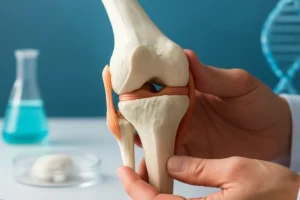





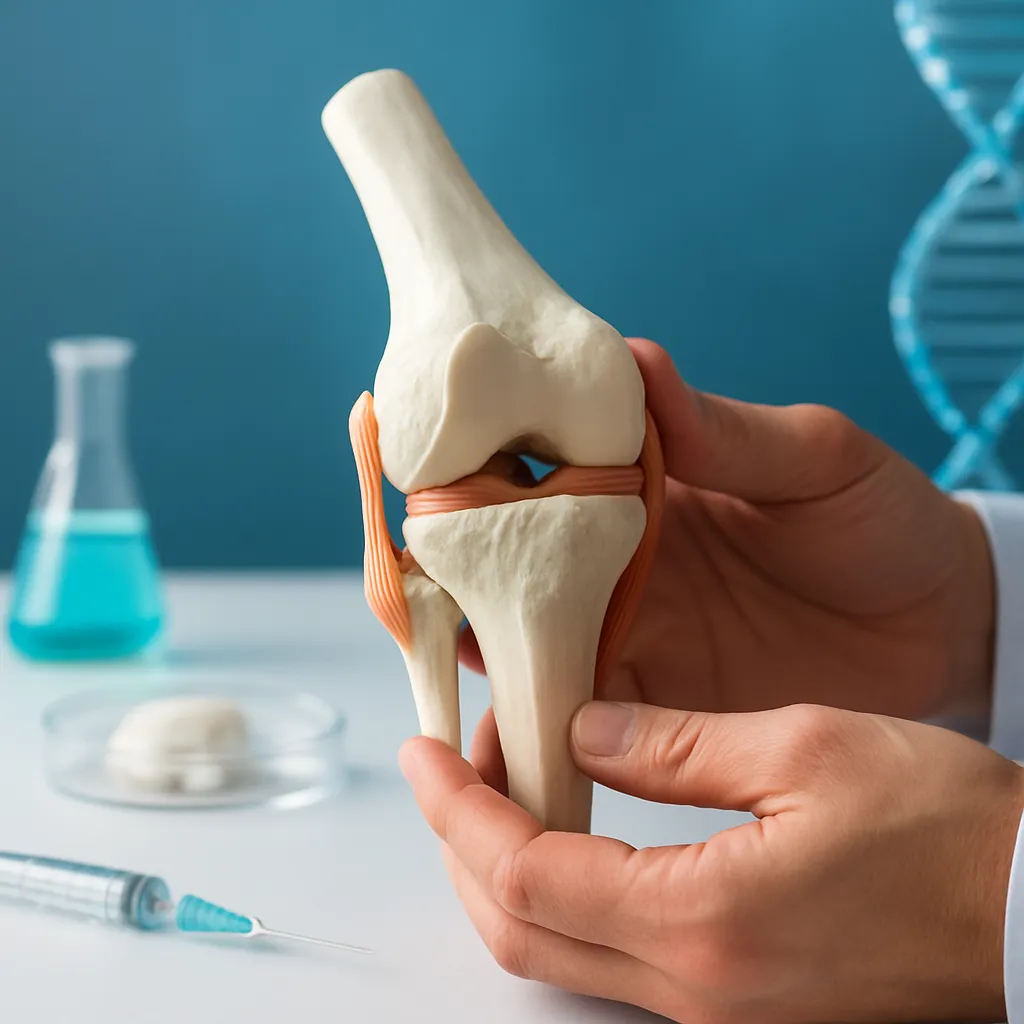
Recent decades have witnessed a transformative shift in bone and joint regenerative therapies, fueled by breakthroughs in cellular biology, biomaterials, and engineering techniques. Researchers are uncovering novel strategies to repair and restore damaged skeletal tissues, with an emphasis on enhanced functionality and reduced recovery times. By integrating multidisciplinary approaches—from molecular signals to advanced manufacturing—clinicians aim to redefine standards of care for conditions ranging from osteoarthritis to critical bone defects.
Advancements in Cellular Therapies
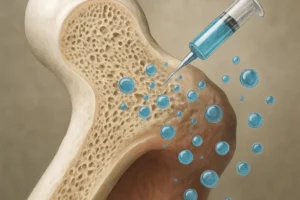
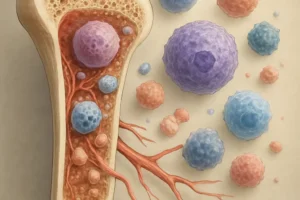
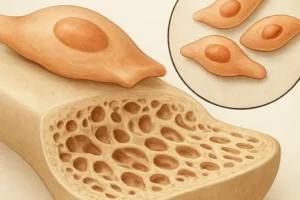
The cornerstone of modern regenerative medicine lies in harnessing the reparative potential of stem cells, particularly mesenchymal stem cells (MSCs). These multipotent progenitors can differentiate into osteoblasts, chondrocytes, and other musculoskeletal lineages. By delivering MSCs to injury sites, often in combination with an optimized microenvironment, researchers have achieved enhanced osteogenesis and chondrogenesis in preclinical models.
Key elements shaping the success of cellular therapies include:
- Customized delivery systems that preserve cell viability during transplantation
- Engineered cell sheets or aggregates that mimic native tissue architecture
- Co-culture strategies with endothelial cells to promote vascularization
Beyond whole-cell approaches, acellular derivatives such as exosomes and secretomes are gaining traction. These vesicles carry bioactive proteins, microRNAs, and extracellular vesicles that modulate the inflammatory milieu and stimulate resident cells. Integration of these vesicles with supportive matrices has resulted in accelerated bone healing and improved integration at the bone-implant interface.
Innovations in Scaffold Design and Biomaterials
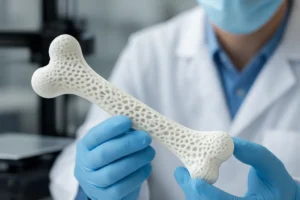
Critically important to tissue regeneration is the creation of a three-dimensional framework that supports cell attachment, proliferation, and differentiation. Modern scaffolds are engineered to mimic the native extracellular matrix (ECM), presenting biochemical cues that guide tissue formation. Researchers have explored a variety of materials—including ceramics, polymers, and composites—to tailor mechanical strength and degradation rates.
Highlighted technological trends include:
- 3D bioprinting platforms capable of depositing living cells and biomaterials in precise geometries
- Smart hydrogels that deliver growth factors in a controlled fashion and respond to environmental stimuli
- Advanced nanomaterials with antibacterial coatings and enhanced osteoinductive properties
- Hybrid systems combining synthetic and natural polymers to fine-tune mechanical resilience
Efforts to incorporate biomimetic patterns, such as anisotropic pore architectures, have shown promise in guiding directional cell growth and vascular infiltration. In parallel, surface functionalization techniques—like peptide grafting—facilitate specific cell–matrix interactions, improving overall scaffold integration and longevity.
Role of Mechanical Stimuli and Biophysical Cues
Bone and cartilage cells are exquisitely sensitive to physical forces. Modulation of mechanotransduction pathways through compressive loading, fluid shear stress, or electrical stimulation can dramatically influence cell behavior. Advanced bioreactor systems deliver tunable mechanical regimens to developing constructs, enhancing matrix deposition and tissue maturation.
Examples of biophysical strategies include:
- Dynamic compression to promote osteogenic differentiation in 3D constructs
- Perfusion bioreactors that ensure uniform nutrient distribution and waste removal
- Low-intensity pulsed ultrasound (LIPUS) as a noninvasive tool to upregulate anabolic pathways
- Electrical or electromagnetic fields to augment cellular proliferation and alignment
By combining mechanical conditioning with biochemical signals, researchers can achieve synergistic effects, resulting in constructs that more closely resemble native bone and cartilage in both structure and function. This integrated approach helps bridge the gap between in vitro maturation and in vivo performance.
Emerging Biotechnologies and Clinical Translation
Cutting-edge genetic and computational tools are accelerating the path from bench to bedside. Gene editing technologies like CRISPR-Cas systems enable precise modulation of cellular phenotypes, enhancing properties such as osteoinductivity or immune evasion. Parallel advances in artificial intelligence and machine learning are optimizing scaffold design, predicting patient-specific outcomes, and guiding personalized therapy protocols.
Key milestones in translational research encompass:
- Robust preclinical studies demonstrating safety and efficacy in large animal models
- Regulatory frameworks accommodating combination products (cells plus biomaterials)
- Early-phase clinical trials assessing autologous versus allogeneic cell sources
- Emergence of point-of-care manufacturing units for on-site preparation of graft materials
As these technologies mature, multidisciplinary teams are poised to tackle complex clinical challenges such as massive bone defects, osteochondral injuries, and spinal fusion procedures. The convergence of bioengineering, molecular biology, and data science promises a new era in which regenerative therapies become standard practice, offering patients faster recovery and long-term joint health.