


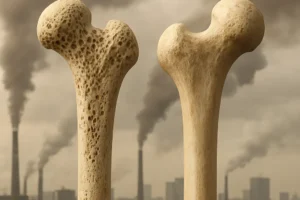



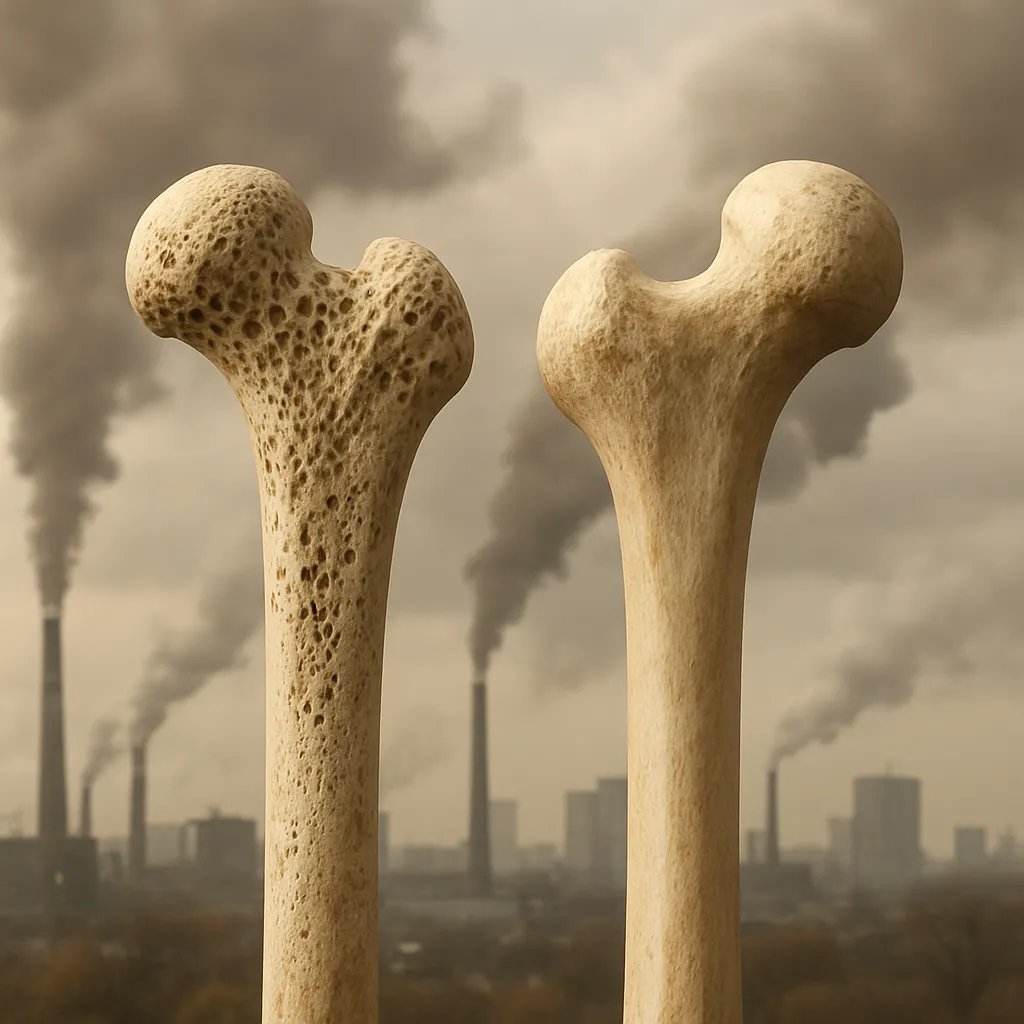
Air pollution is widely recognized for its detrimental effects on respiratory and cardiovascular systems, but emerging research highlights its significant influence on the **skeletal system** as well. The relationship between **environmental toxins** and **bone health** is an evolving field, revealing that prolonged exposure to contaminated air can undermine **bone density**, accelerate age-related bone loss, and elevate the risk of **osteoporosis** and fractures. This article examines how **airborne pollutants** affect bone remodeling, explores epidemiological findings, identifies vulnerable groups, and suggests strategies to safeguard skeletal integrity.
Understanding the Impact of Air Pollution on Bones
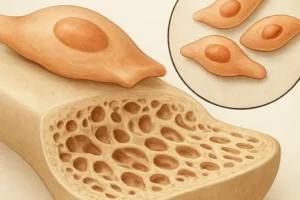
Bone tissue is dynamic, constantly undergoing remodeling through coordinated actions of osteoclasts (bone-resorbing cells) and osteoblasts (bone-forming cells). In a healthy individual, this process maintains a balance that preserves bone mass and microarchitecture. However, exposure to **particulate matter** (PM2.5 and PM10), **nitrogen oxides**, **sulfur dioxide**, and **heavy metals** like **lead** and **cadmium** can disrupt this equilibrium. These pollutants may interfere with cellular signaling pathways, promote systemic **inflammation**, and induce **oxidative stress**, all of which negatively affect bone microstructure and mineralization.
- Particulate Matter (PM): Fine particles can enter the bloodstream after inhalation, reaching distant organs including bones. These particles carry **toxic compounds** that generate free radicals.
- Heavy Metals: Lead and cadmium accumulate in bone tissue over time, substituting for calcium in hydroxyapatite crystals and weakening structural integrity.
- Gaseous Pollutants: Nitrogen dioxide and ozone contribute to oxidative damage and may alter hormone levels such as vitamin D metabolism.
Mechanisms of Bone Damage Induced by Airborne Toxins
Multiple biological pathways mediate the harmful effects of **air pollution** on skeletal health. Understanding these mechanisms can guide targeted preventive measures and therapeutic interventions.
1. Oxidative Stress and Free Radical Generation
Reactive oxygen species (ROS) produced in response to pollutant exposure can damage cellular components. In bone tissue, excessive ROS:
- Impair osteoblast differentiation and function, reducing new bone formation.
- Enhance osteoclast activity, leading to increased bone resorption.
- Disrupt collagen synthesis, weakening the organic matrix essential for flexibility and strength.
2. Chronic Inflammation
Prolonged pollutant exposure elevates inflammatory cytokines such as IL-6, TNF-α, and CRP. These mediators:
- Stimulate osteoclastogenesis through RANKL upregulation.
- Inhibit osteoblast maturation via NF-κB pathway activation.
- Promote bone marrow stromal cell senescence, diminishing regenerative capacity.
3. Endocrine Disruption
Airborne chemicals can mimic or block hormones critical for bone homeostasis:
- Interference with vitamin D synthesis in the skin, leading to suboptimal calcium absorption.
- Disruption of thyroid and parathyroid gland function, affecting calcium-phosphate regulation.
- Alteration of sex hormone levels, with potential declines in estrogen and testosterone that protect bone mass.
Epidemiological Evidence Linking Air Pollution to Bone Loss
Numerous population-based studies have investigated the correlation between ambient air quality and skeletal outcomes. Findings consistently indicate that higher pollution levels coincide with reduced **bone mineral density** (BMD) and increased fracture risk, especially in older adults.
- A cohort study of postmenopausal women in urban areas reported a 4% decrease in hip BMD for each 10 μg/m³ increase in PM2.5.
- Data from the National Health and Nutrition Examination Survey (NHANES) revealed that participants exposed to higher nitrogen dioxide levels had significantly higher rates of wrist and vertebral fractures.
- Research in industrial regions found that adolescents living near busy highways exhibited delayed skeletal development and lower peak bone mass by early adulthood.
These associations persist after adjusting for traditional risk factors such as age, body mass index, physical activity, and dietary calcium intake, underscoring the independent role of **environmental contaminants**.
Vulnerable Populations and Contributing Factors
Certain groups are more susceptible to the bone-depleting effects of polluted air due to physiological, lifestyle, or socio-economic factors.
- Elderly Individuals: Age-related decline in antioxidant defenses and hormonal changes amplify pollutant impact.
- Children and Adolescents: Ongoing bone modeling makes them vulnerable to disruptions that stunt peak bone mass acquisition.
- Occupational Exposures: Workers in mining, smelting, or chemical industries face higher levels of heavy metals and gaseous toxins.
- Low-Income Communities: Often located near industrial zones or high-traffic roads, leading to prolonged pollutant exposure and limited healthcare access.
- Individuals with Pre-existing Conditions: Patients with respiratory diseases or metabolic bone disorders may experience synergistic detriments.
Strategies to Mitigate Bone Health Risks
While global policy changes and emission controls are essential, individuals can adopt targeted measures to protect their **skeletal framework**:
1. Diet and Supplementation
- Ensure adequate intake of calcium and vitamin D through fortified foods or supplements.
- Incorporate antioxidant-rich foods (berries, leafy greens, nuts) to counteract ROS.
- Consider omega-3 fatty acids for their anti-inflammatory properties.
2. Lifestyle Modifications
- Engage in weight-bearing and resistance exercises to stimulate osteoblast activity.
- Monitor air quality indices and limit outdoor activity during high pollution episodes.
- Use air purifiers indoors to reduce particulate concentration.
3. Medical Interventions
- Regular bone density screenings for at-risk populations to detect early BMD decline.
- Pharmacological therapies such as bisphosphonates or selective estrogen receptor modulators when indicated.
- Supplementation with antioxidants or anti-inflammatory agents under medical supervision.
4. Public Health Measures
- Advocate for stricter emission standards and industrial regulations.
- Promote urban planning that reduces traffic congestion and increases green spaces.
- Implement community screening programs for **bone disorders** in high-risk zones.
By combining individual efforts with broader policy initiatives, it is possible to attenuate the skeletal impact of **air pollution**, fostering stronger communities and healthier bones for future generations.