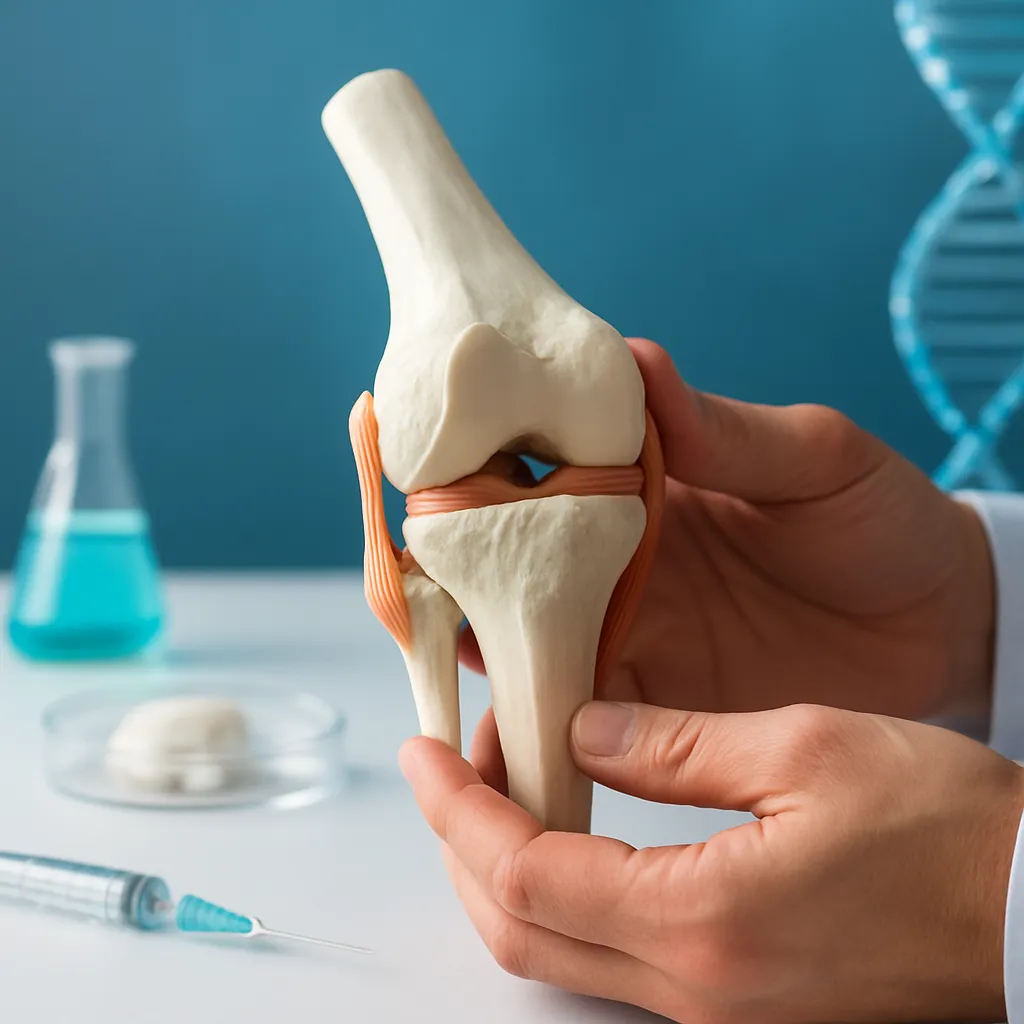





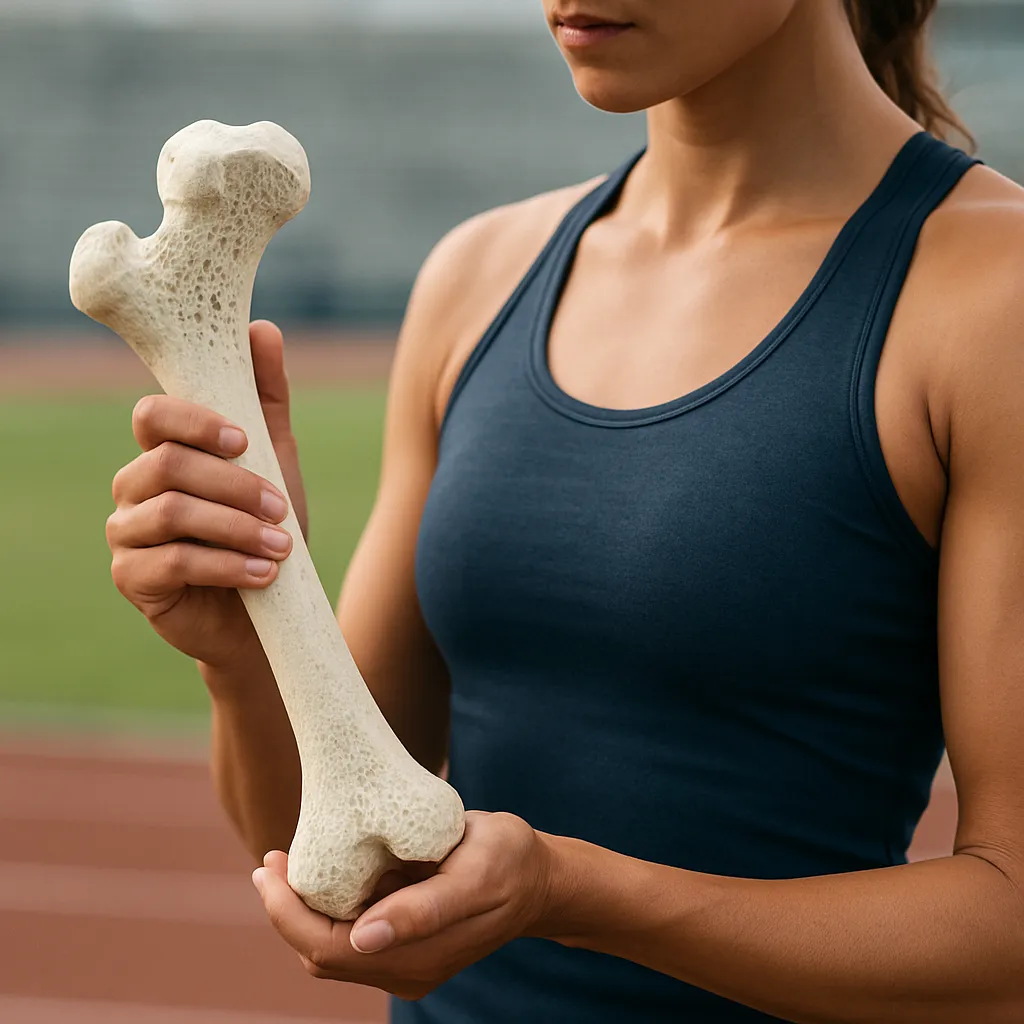
Understanding the relationship between rigorous athletic performance and skeletal health is essential for maintaining elite performance levels and long-term well-being. Competitive athletes place extraordinary demands on their bodies, especially their skeletal system. This article explores how bones adapt to training, the most prevalent bone injuries in sports, the critical role of nutrition and supplementation, and effective prevention and rehabilitation strategies.
Bone Physiology and Adaptation to Training
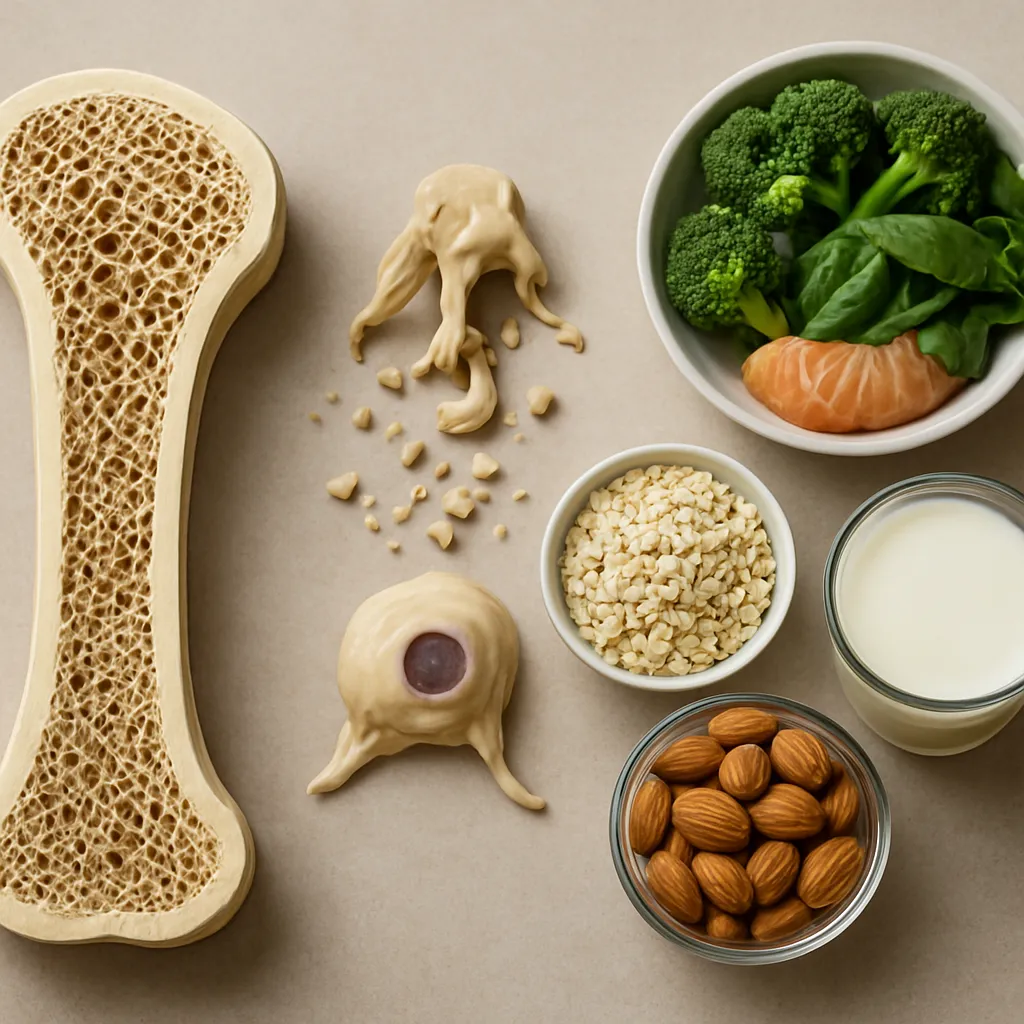
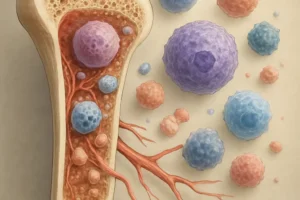
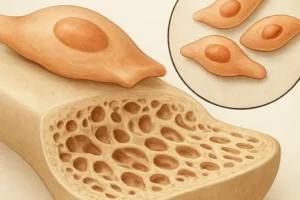
Bone is a dynamic tissue that constantly undergoes remodeling through the coordinated actions of osteoblasts (cells that form bone) and osteoclasts (cells that resorb bone). When athletes subject their bodies to regular mechanical loading, bones adapt by increasing bone density and improving internal microarchitecture. This adaptive process enhances bone strength and reduces the risk of fractures.
Wolff’s Law and Sports-Specific Loading
Wolff’s Law states that bone grows and remodels in response to the forces placed upon it. In sports such as weightlifting and gymnastics, high-impact and resistance training produce significant mechanical stresses that stimulate bone formation. Conversely, non–weight-bearing sports like swimming offer cardiovascular benefits but may not provide sufficient loading to optimize bone strength.
Phases of Bone Remodeling
- Activation: Precursor cells are stimulated to become active osteoclasts.
- Resorption: Osteoclasts dissolve mineralized bone, creating small pits.
- Reversal: Mononuclear cells prepare the surface for new bone formation.
- Formation: Osteoblasts fill pits with new bone matrix, rich in collagen and minerals.
- Mineralization: Hydroxyapatite crystals deposit in the matrix, strengthening the bone.
Common Bone Injuries in Competitive Sports
High training volumes and repetitive impact can lead to various bone injuries. Identifying early symptoms and risk factors is crucial to prevent progression and ensure a swift return to sport.
Stress Fractures
A stress fracture emerges from repetitive submaximal stress that exceeds the bone’s ability to repair microdamage. Common sites include the tibia, metatarsals, and navicular bone. Early symptoms involve localized pain that increases with activity and diminishes with rest. If left unmanaged, stress fractures may evolve into complete fractures requiring surgical intervention.
Growth Plate Injuries
Adolescent athletes are particularly vulnerable to injuries involving the growth plate (physis). Youth training programs that emphasize high-intensity loading without adequate rest can interrupt normal bone development, leading to conditions such as Osgood-Schlatter disease or apophysitis.
Avulsion Fractures
Intense muscle contractions may pull a fragment of bone away at the muscle insertion site. This type of injury is most frequent in sports requiring rapid acceleration or kicking, such as soccer and sprinting. Avulsion fractures typically present with sudden pain and swelling around the hip, pelvis, or tibia.
Nutrition and Supplementation for Bone Integrity
Optimal nutrition is a cornerstone of bone health for athletes. Micronutrients and macronutrients work synergistically to support remodeling, mineralization, and recovery.
Key Nutrients
- Calcium: Essential for hydroxyapatite formation and maintenance of bone mass. Recommended intake for athletes ranges from 1,000 to 1,300 mg per day, depending on age and gender.
- Vitamin D: Regulates calcium absorption and modulates bone turnover. Serum 25(OH)D levels should remain above 30 ng/mL for optimal bone health.
- Protein: Supplies amino acids necessary for collagen matrix synthesis. Athletes may require 1.2–2.0 g/kg/day.
- Magnesium: Participates in bone mineralization and influences parathyroid hormone secretion.
- Vitamin K: Activates osteocalcin, a protein that binds calcium to the bone matrix.
- Phosphorus: Works in concert with calcium to enhance bone rigidity.
Supplementation Strategies
While whole foods should remain the primary nutrient source, targeted supplementation can address deficiencies and accelerate recovery. Athletes with limited sun exposure may benefit from vitamin D supplements. Those with lactose intolerance or dairy aversion can use calcium-fortified beverages and plant-based options.
Preventive Strategies and Rehabilitation
Implementing comprehensive prevention and rehabilitation protocols reduces the incidence of bone injuries and promotes safe return to play.
Periodized Training Programs
Periodization involves structuring training into cycles that balance volume, intensity, and recovery. Gradual increases in load minimize sudden spikes that could overwhelm the bone’s adaptive capacity. Cross-training can maintain cardiovascular fitness while reducing repetitive stress on specific skeletal sites.
Biomechanical Assessment and Technique Optimization
Gait analysis, motion capture, and force-plate assessments identify aberrant movement patterns that increase bone stress. Corrective exercises and technique adjustments distribute forces more evenly across the skeletal system.
Monitoring Tools
- Bone Density Scans: Dual-energy X-ray absorptiometry (DXA) tracks changes in bone mineral content.
- Blood Biomarkers: Levels of alkaline phosphatase, osteocalcin, and C-terminal telopeptide reflect bone formation and resorption rates.
- Load Tracking Devices: Wearable sensors quantify impact forces during training sessions.
Rehabilitation Protocols
After a bone injury, phased rehabilitation focuses on restoring functional strength and flexibility while gradually reintroducing mechanical loading:
- Phase 1: Immobilization and pain management, ensuring minimal stress at the injury site.
- Phase 2: Controlled weight-bearing activities and isometric exercises to stimulate bone repair.
- Phase 3: Progressive resistance exercises targeting surrounding musculature to support bone stability.
- Phase 4: Sport-specific drills and plyometrics to prepare for return to full training.
By understanding the principles of bone physiology, recognizing common injuries, optimizing nutrition, and following structured prevention and rehabilitation protocols, competitive athletes can preserve skeletal integrity and enhance longevity in their sport.