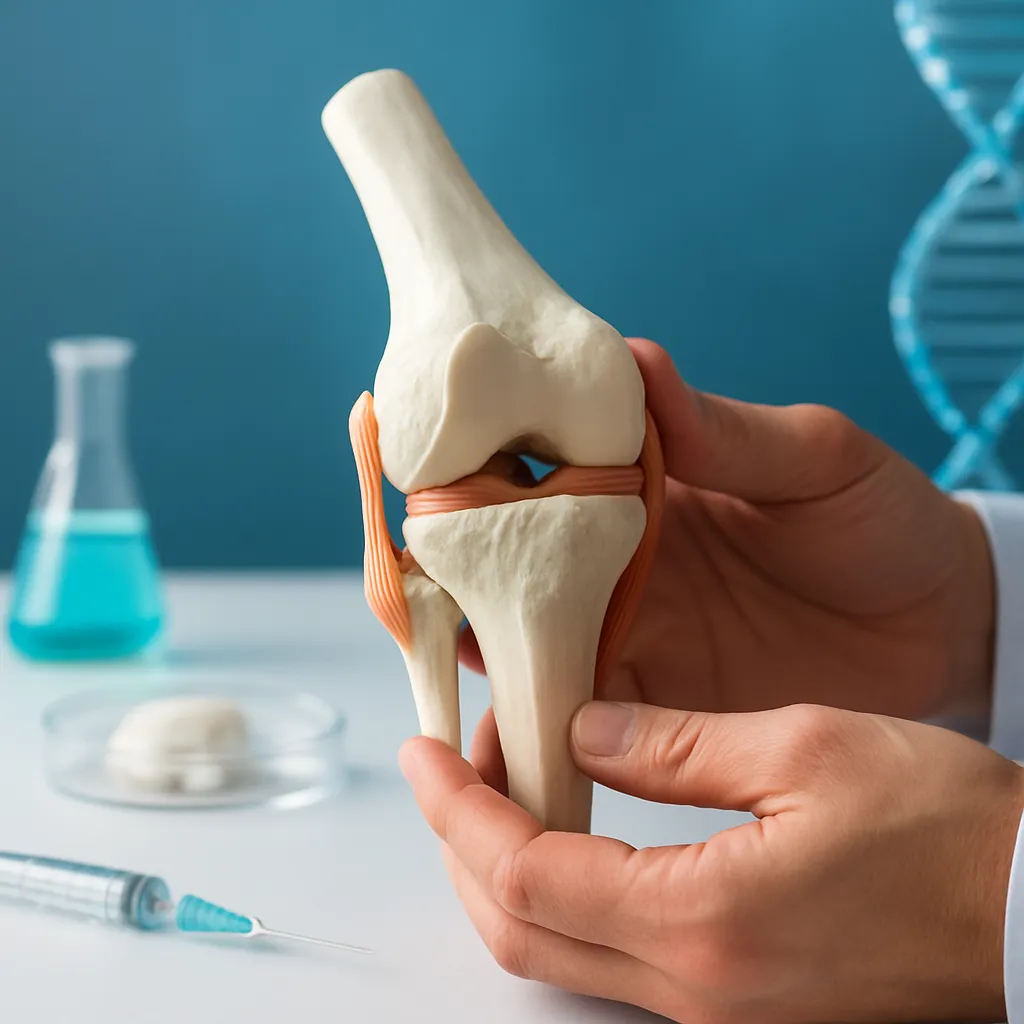




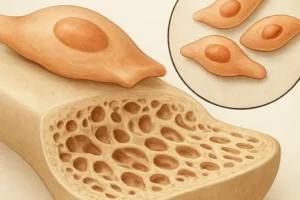

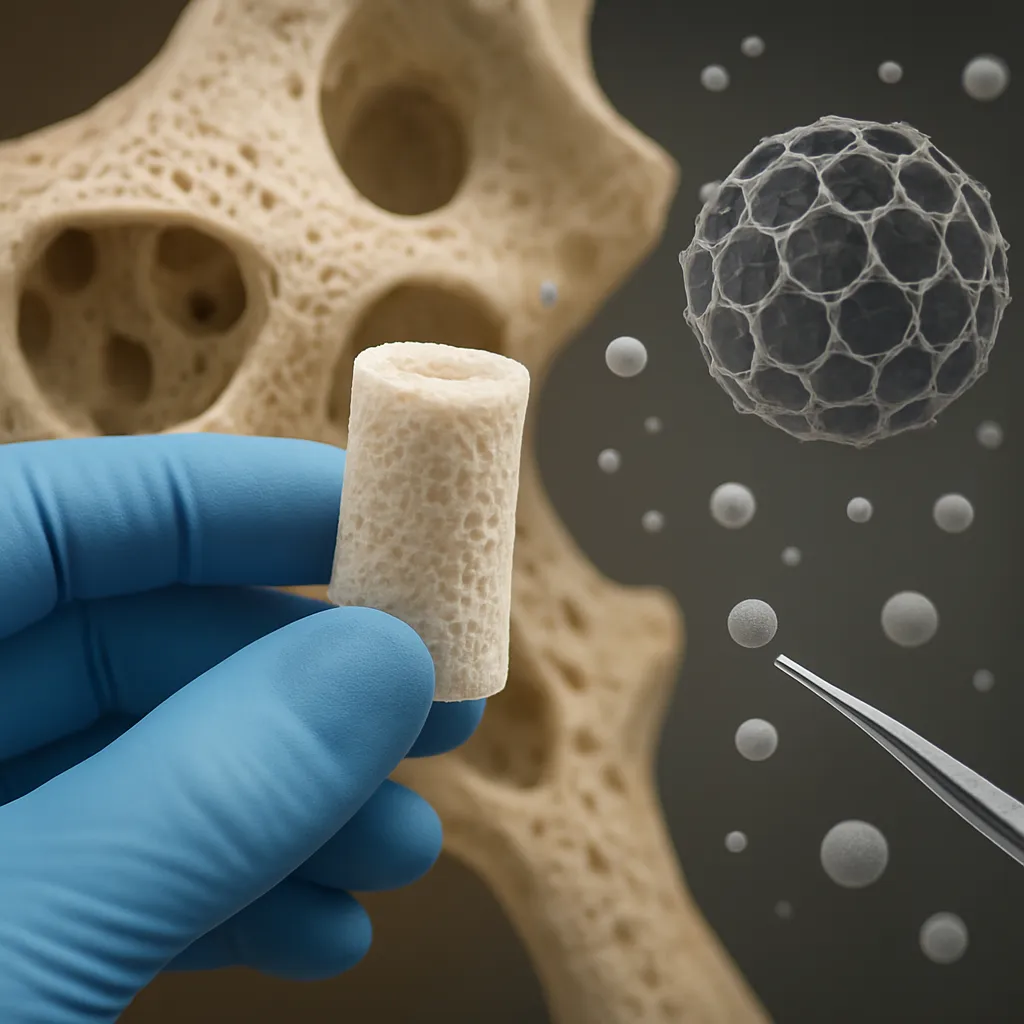
Bone defects resulting from trauma, disease, or congenital anomalies pose significant clinical challenges. Tissue engineering has emerged as a pivotal strategy to address these issues by combining cells, biomaterials, and bioactive molecules. Among the most promising advances is the application of nanomaterials to create functional constructs that mimic the native extracellular matrix and promote effective bone repair.
Introduction to Nanomaterial-Based Bone Regeneration
Bone is a dynamic tissue undergoing constant remodeling. Traditional treatments for large bone defects often rely on autografts or allografts, which carry risks of donor site morbidity and immune rejection. Recent progress in nanotechnology has enabled the fabrication of scaffolds at the nanoscale, providing enhanced mechanical support and biochemical cues for osteogenesis. These innovations integrate biocompatibility, biodegradability, and tailored surface properties to facilitate cell adhesion, proliferation, and differentiation.
Design and Fabrication of Nanostructured Scaffolds
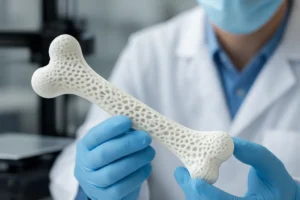
The architecture of a scaffold is critical for supporting new bone formation. Key design parameters include pore size, interconnectivity, and surface roughness. Nanofabrication techniques such as electrospinning, 3D bioprinting, and self-assembly allow precise control over these features.
Electrospun Nanofibers
- Electrospinning produces fibrous mats with fiber diameters ranging from tens to hundreds of nanometers.
- The high surface-area-to-volume ratio enhances protein adsorption and cell attachment.
- Materials like polycaprolactone blended with nano-hydroxyapatite can mimic bone’s mineral phase.
3D Bioprinting of Hybrid Constructs
- Layer-by-layer deposition of bioinks laden with stem cells and growth factors.
- Integration of ceramic nanoparticles to improve mechanical strength and osteoinductivity.
- Surface modification techniques ensure uniform distribution of biological cues.
Cellular Interactions and Biochemical Signaling
Effective bone regeneration requires coordination between scaffold microenvironment and cellular processes. Mesenchymal stem cells (MSCs) are frequently seeded onto nanostructured matrices to drive new tissue formation.
Role of Growth Factors
- Bone morphogenetic proteins (BMPs) and vascular endothelial growth factor (VEGF) orchestrate osteo- and angiogenesis.
- Nanocarriers enable sustained release, maintaining therapeutic dosages at the defect site.
- Co-delivery strategies can synergistically enhance bone healing.
Immune Modulation
The initial inflammatory response influences long-term outcomes. Nanomaterials can be engineered to reduce immunogenicity and promote a pro-regenerative macrophage phenotype. Surface coatings and ionic doping (e.g., silver or magnesium ions) further regulate host responses.
In Vivo Performance and Preclinical Models
Translational studies utilize animal models to validate scaffold efficacy and safety. Critical-size defects in rodents and large animals provide insights into the kinetics of regeneration and material degradation.
Rodent Models
- Calvarial defect models allow rapid screening of scaffold compositions.
- Micro-CT imaging quantifies bone volume and mineral density over time.
Large Animal Studies
- Segmental defects in sheep tibia better mimic human biomechanics and load-bearing conditions.
- Histological analyses reveal integration between native bone and scaffold.
Challenges and Future Directions
Despite remarkable progress, several obstacles hinder clinical translation. Uniform manufacturing of complex nanostructures at scale remains challenging. There is also a need to balance mechanical strength with controlled degradation, ensuring the scaffold supports tissue formation without premature collapse.
- Optimization of nano-biointerfaces to enhance long-term stability.
- Development of multifunctional scaffolds combining antimicrobial, angiogenic, and osteoinductive properties.
- Regulatory frameworks for advanced nanomedicines and standardized biocompatibility testing.
Future research will likely focus on smart materials that respond to physiological cues, dynamic scaffolds capable of on-demand release of therapeutic agents, and integration of bioreactor systems for preconditioning constructs prior to implantation. By harnessing the unique capabilities of hydroxyapatite nanoparticles, bioactive glasses, carbon-based nanostructures, and novel polymers, the next generation of bone tissue engineering is poised to revolutionize patient-specific therapies and improve clinical outcomes.