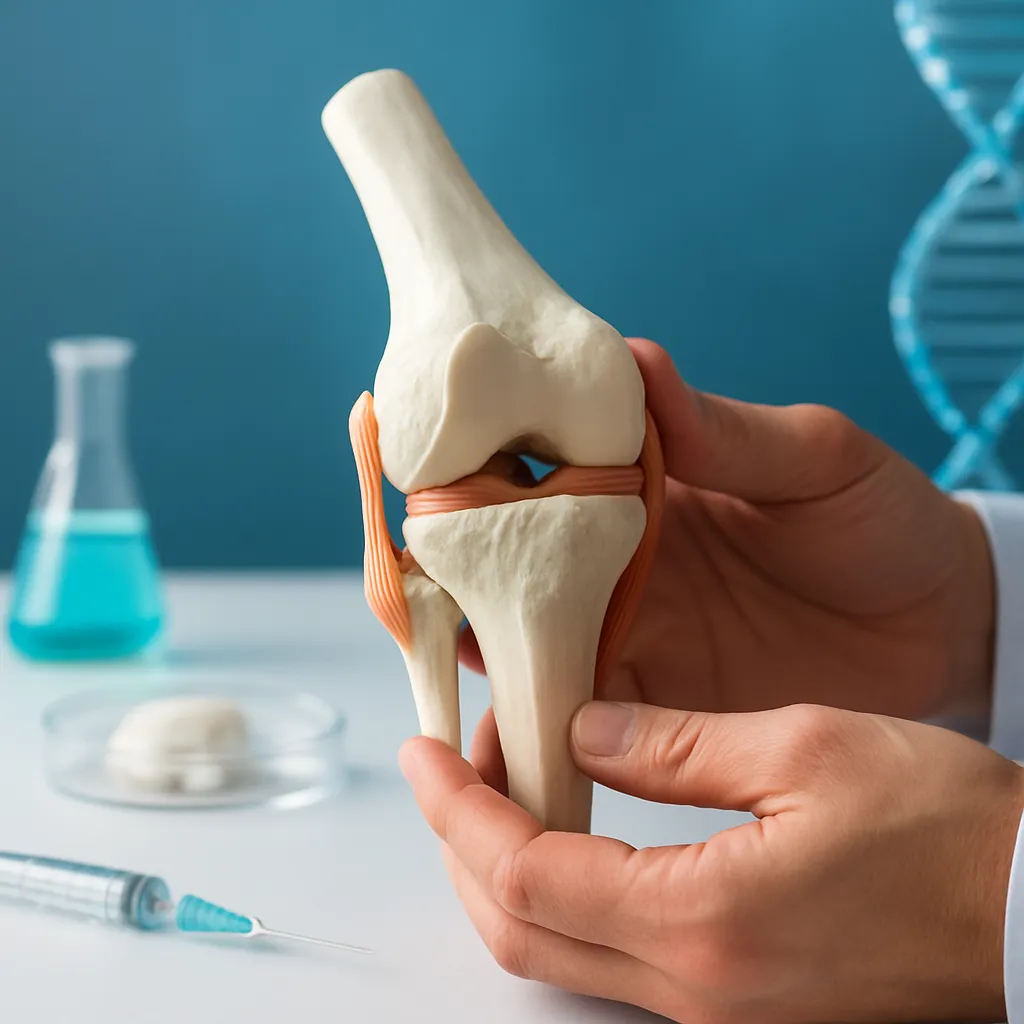




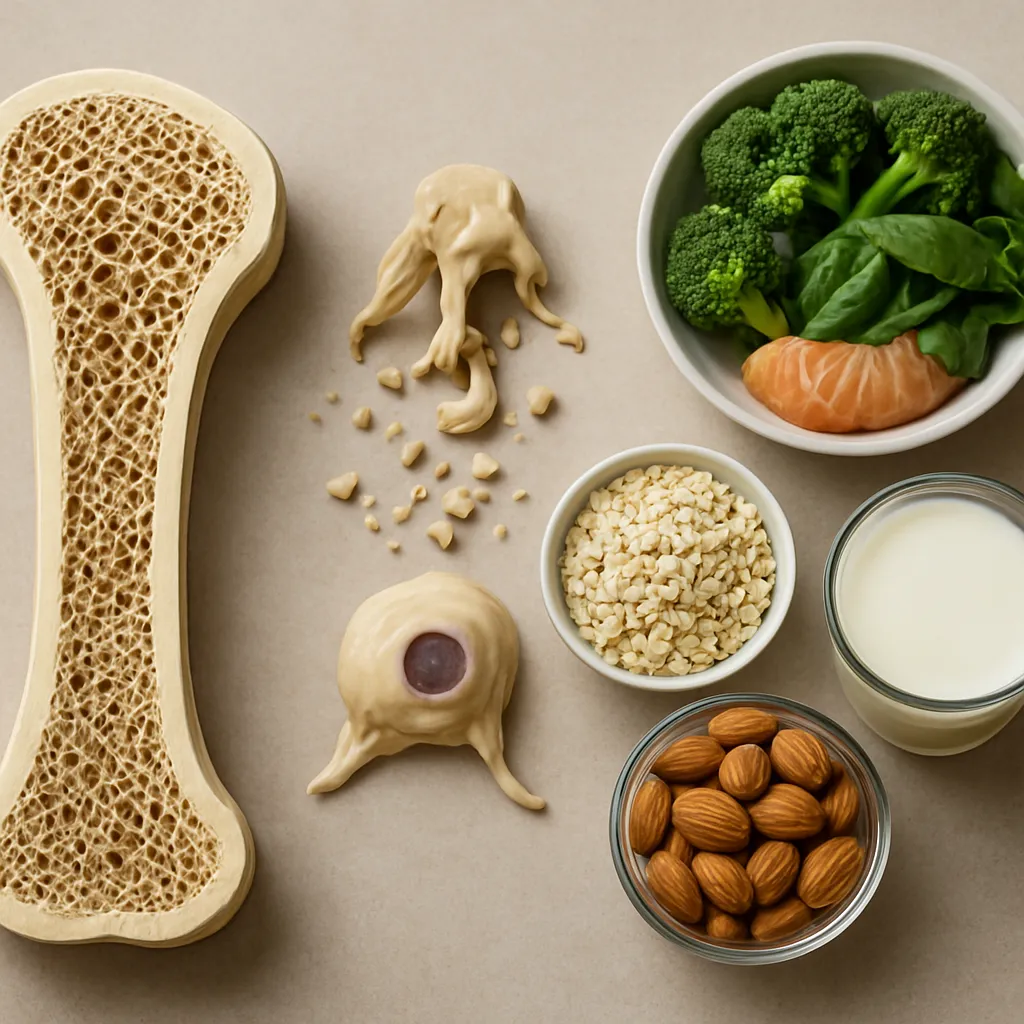
Bone remodeling represents a dynamic process of continuous renewal that maintains skeletal integrity and function. This intricate balance between bone formation and resorption relies on coordinated actions of specialized cells, hormonal signals, and nutritional factors. Proper understanding of these mechanisms offers insights into the prevention and management of metabolic bone diseases, such as osteoporosis, and underscores the critical role of dietary interventions in supporting skeletal health.
Understanding Bone Remodeling
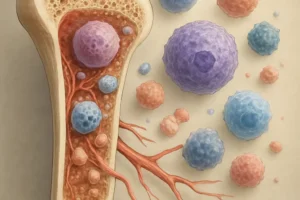
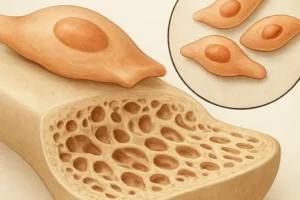
Bone remodeling occurs in a cyclical fashion, comprising activation, resorption, reversal, formation, and mineralization phases. During resorption, osteoclasts break down old or damaged bone, releasing minerals into the bloodstream. In the formation phase, osteoblasts synthesize new bone matrix, primarily composed of collagen fibers. Mineral deposition follows, restoring the bone’s strength and rigidity. The remodeling process adapts to mechanical stresses and repairs microdamages, ensuring the skeleton’s resilience.
Cellular Regulation
- RANK/RANKL/OPG Pathway: Osteoblasts express receptor activator of nuclear factor kappa-Β ligand (RANKL), which binds to RANK on osteoclast precursors, promoting differentiation. Osteoprotegerin (OPG) acts as a decoy receptor for RANKL, inhibiting osteoclastogenesis.
- Wnt/β-catenin Signaling: Essential for osteoblast proliferation and activity, this pathway is modulated by sclerostin and dickkopf proteins.
- Hormonal Influences: Parathyroid hormone (PTH), calcitonin, estrogen, and cortisol directly impact cell function and remodeling rate. Interleukins (IL-1, IL-6) and tumor necrosis factor-alpha (TNF-α) also modulate bone turnover under inflammatory conditions.
Mechanical and Molecular Stimuli
Wolff’s law states that bone adapts to the load under which it is placed. Mechanical loading enhances osteoblast activity through mechanosensitive pathways involving integrins and ion channels. Microgravity or immobilization, conversely, accelerates bone loss. Additionally, molecular regulators such as growth factors (e.g., IGF-1, TGF-β) orchestrate matrix synthesis and remodeling.
Key Nutrients for Bone Health
Nutrition plays a pivotal role in optimizing bone remodeling. Adequate intake of macronutrients and micronutrients ensures matrix formation, mineralization, and regulation of cellular activity. Deficiencies can impair remodeling dynamics, increase fracture risk, and exacerbate bone disorders.
Essential Minerals
- Calcium: The primary mineral constituent of hydroxyapatite crystals. Adults require 1,000–1,200 mg daily to maintain bone density, with increased needs in postmenopausal women and the elderly.
- Phosphorus: Works synergistically with calcium to form the mineralized matrix. Excessive phosphorus, however, may disrupt calcium balance and hormonal regulation.
- Magnesium: Influences crystal size, PTH secretion, and vitamin D metabolism. Deficiency correlates with reduced bone density and increased fracture risk.
- Fluoride: At low concentrations, stimulates osteoblastic activity but may cause skeletal fluorosis at high levels.
Vitamins and Trace Elements
- Vitamin D: Enhances intestinal calcium and phosphorus absorption, and modulates osteoblast and osteoclast function. Sufficient serum 25(OH)D levels (>30 ng/mL) are required for optimal bone health.
- Vitamin K: Serves as a cofactor for gamma-carboxylation of osteocalcin, a non-collagenous protein essential for bone mineralization.
- Vitamin C: Critical for collagen synthesis and osteoblast differentiation. Antioxidant properties also mitigate oxidative stress–induced bone loss.
- Zinc and Copper: Cofactors for enzymes involved in collagen cross-linking and antioxidant defense.
Protein and Energy Balance
Adequate protein intake supports matrix production and insulin-like growth factor levels. Excessive protein without sufficient alkalinizing minerals may increase urinary calcium excretion. Overall energy balance influences hormonal milieu; chronic energy deficiency (e.g., in anorexia nervosa or athletic amenorrhea) impairs bone formation and elevates resorption.
Clinical Applications and Nutritional Strategies
Therapeutic approaches to bone loss combine pharmacological treatments with targeted nutritional interventions. Understanding individual risk factors, including age, genetic predisposition, lifestyle, and comorbidities, informs personalized regimens.
Dietary Patterns
- Mediterranean Diet: Emphasizes fruits, vegetables, whole grains, lean proteins, olive oil, and nuts. Associated with reduced inflammation, improved bone mineral density, and lower fracture rates.
- DASH Diet: Promotes high intake of potassium, magnesium, and calcium while limiting sodium, which may benefit bone health by reducing urinary calcium loss.
- Plant-Based Diets: Require careful planning to ensure sufficient bioavailable calcium and vitamin D. Fortified foods and supplementation are often necessary.
Supplementation Guidelines
- Calcium: 500–600 mg per dose to maximize absorption; avoid calcium carbonate in achlorhydria, preferring calcium citrate.
- Vitamin D: 800–2,000 IU daily, adjusted based on serum 25(OH)D levels and sun exposure.
- Protein: 1.0–1.2 g/kg body weight for older adults to preserve muscle mass and support bone matrix synthesis.
- Other Micronutrients: Magnesium (300–400 mg), vitamin K2 (MK-7 form, 90–120 µg), vitamin C (75–90 mg), trace elements per dietary reference intakes.
Monitoring and Biomarkers
Assessment of bone turnover involves biomarkers such as C-terminal telopeptide (CTX) for resorption and procollagen type I N-terminal propeptide (P1NP) for formation. Dual-energy X-ray absorptiometry (DEXA) measures bone mineral density, guiding treatment efficacy. Emerging imaging techniques (e.g., high-resolution peripheral quantitative computed tomography) evaluate microarchitecture changes.
Future Directions in Bone and Nutrition Research
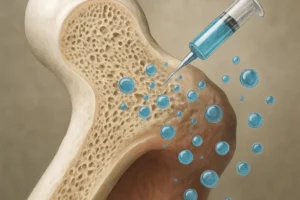
Advances in genomics, metabolomics, and microbiome studies reveal novel targets for bone health optimization. Probiotic and prebiotic interventions may modulate inflammatory pathways and enhance mineral absorption. Precision nutrition, leveraging genetic polymorphisms in vitamin D receptor and calcium-sensing receptor genes, could tailor dietary recommendations. Additionally, bioengineering approaches aim to deliver targeted nutrients or growth factors via nanocarriers to skeletal sites undergoing remodeling. Integrating multidisciplinary research will expand our capacity to prevent and treat bone disorders through refined nutritional strategies.