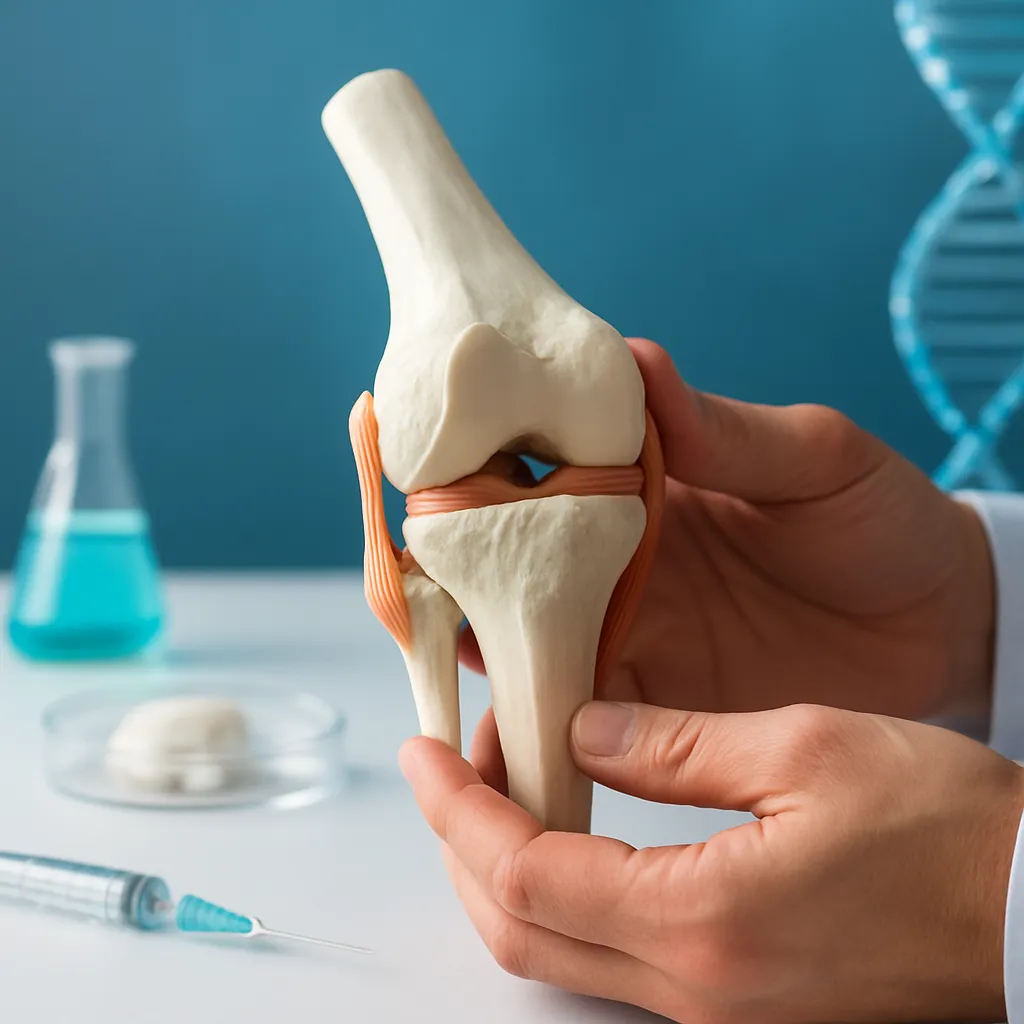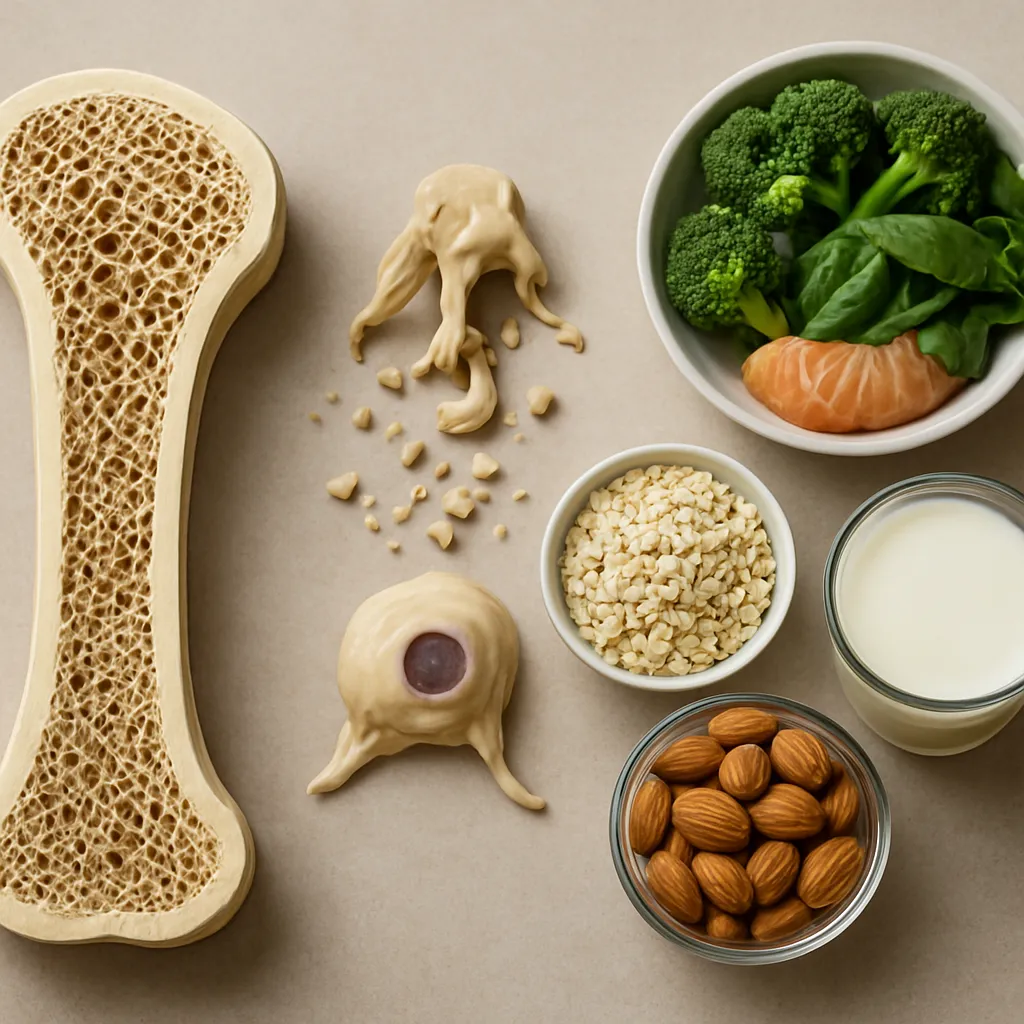


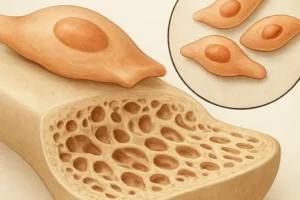

Bone longevity is shaped by a complex interplay of factors that span from nutritional status and physical activity to hormonal balance and environmental exposures. This article explores how everyday lifestyle choices can either reinforce or undermine the structural integrity and functional capacity of the skeletal system over time.
Nutrition and Bone Health
Optimal bone maintenance depends heavily on dietary intake of key nutrients, as well as the synergy among them. Calcium, phosphorus and magnesium constitute the mineral backbone of bone tissue, while vitamins such as vitamin D, K and C regulate mineralization, collagen synthesis and cellular function.
Calcium and Mineral Homeostasis
Calcium is the most abundant mineral in bone, providing rigidity and serving as a reservoir for physiological processes. Adequate dietary intake must be coupled with efficient absorption in the gut. Factors that can impair absorption include high phytic acid content in some plant-based foods and excessive sodium or caffeine consumption. Conversely, lactose and prebiotic fibers can enhance calcium uptake. Maintaining a balanced ratio of calcium to phosphorus (ideally around 1:1 to 1.5:1) ensures proper mineral deposition and avoids paradoxical demineralization.
Vitamin D and Hormonal Regulation
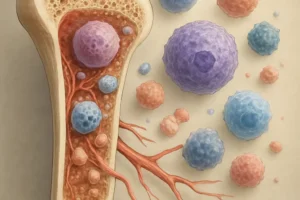
Vitamin D acts as a potent regulator of bone remodeling by promoting calcium absorption and modulating the activity of both osteoblast (bone-forming) and osteoclast (bone-resorbing) cells. Insufficient levels—whether due to limited sun exposure, dark skin pigmentation or malabsorption—trigger secondary hyperparathyroidism, leading to elevated bone turnover and reduced density. Strategies for optimizing vitamin D status include moderate sun exposure, fortified foods and supplementation under medical guidance.
Collagen Synthesis and Micronutrients
Collagen constitutes the organic matrix of bone and confers elasticity and tensile strength. Vitamin C is essential for hydroxylation of proline and lysine residues during collagen maturation. Micronutrients such as zinc, copper and manganese serve as cofactors for enzymes involved in crosslinking and matrix stabilization. A diet lacking these elements may lead to compromised microarchitecture and increased susceptibility to fracture.
Physical Activity and Mechanical Stress
Bone tissue adapts dynamically to mechanical loads through the principle of mechanotransduction, wherein applied stress is converted into cellular signals that regulate remodeling. The nature, intensity and frequency of physical activity determine whether bone mass is gained, maintained or lost.
Weight-Bearing and Impact Exercises
Activities such as walking, running, jumping and resistance training generate compressive and shear forces that stimulate bone formation. Wolff’s law postulates that bone architecture remodels according to the magnitude and direction of mechanical stress. Regular weight-bearing exercises can increase cortical thickness and trabecular connectivity, enhancing overall resilience.
Muscle Strength and Bone Interaction
Skeletal muscle exerts tensile forces on bone via the attached tendons. Greater muscle mass and strength produce higher mechanical stimuli, promoting osteogenic responses. Isometric and isotonic contractions in strength training contribute to bone accrual, particularly at sites of greater mechanical load such as the femur and lumbar vertebrae.
Balance, Mobility and Fall Prevention
Beyond mass and density, bone longevity is influenced by fall risk. Exercises that enhance proprioception, balance and coordination—such as tai chi and yoga—reduce the incidence of falls, thereby indirectly safeguarding bone integrity. Incorporating dynamic balance drills and functional movements into a training regimen is crucial, especially for older adults.
Hormonal and Metabolic Factors
Endocrine function and metabolic health exert profound effects on bone turnover and quality. The interplay between hormones such as estrogen, testosterone, cortisol and insulin modulates the bone remodeling cycle, impacting both formation and resorption phases.
Sex Hormones and Bone Preservation
Estrogen in women and testosterone in men inhibit excessive osteoclastic activity and support osteoblast viability. Menopause-associated estrogen decline accelerates bone loss, increasing the risk of osteoporosis. In men, age-related testosterone reduction also predisposes to bone fragility. Hormone replacement therapies, when indicated, may attenuate bone density loss but require careful risk–benefit assessment.
Stress Hormones and Chronic Inflammation
Elevated cortisol levels, whether due to chronic stress or exogenous glucocorticoid therapy, suppress bone formation and enhance resorption. Cortisol-induced inhibition of osteoblast differentiation and increased apoptosis contribute to net bone loss. Additionally, persistent low-grade inflammation—common in metabolic syndrome, obesity and autoimmune diseases—releases cytokines (e.g., TNF-α, IL-6) that drive osteoclastic activity.
Glycemic Control and Bone Quality
Diabetes mellitus exerts dual effects on bone: hyperglycemia and advanced glycation end-products can impair collagen crosslinking, reducing bone toughness, while insulin deficiency or resistance negatively impacts osteoblast proliferation. Tight glycemic control and management of metabolic parameters are thus vital for preserving skeletal health.
Habits, Substance Use and Environmental Influences
Lifestyle habits beyond diet and exercise, such as smoking, alcohol intake and environmental exposures, play a significant role in determining long-term bone outcomes.
Tobacco Use and Bone Turnover
Cigarette smoke contains numerous toxins that reduce blood supply to bone, interfere with osteoblast function and increase oxidative stress. Smokers exhibit lower bone density and higher fracture rates compared to nonsmokers. Smoking cessation is associated with gradual recovery of bone formation capacity, although some damage may be irreversible.
Alcohol Consumption
Moderate alcohol intake may have a neutral or slightly positive effect on bone density, but chronic heavy use impairs calcium absorption, disrupts hormonal balance and increases the risk of falls. Alcohol can also promote nutritional deficiencies that further jeopardize bone integrity.
Environmental Toxins and Bone Health
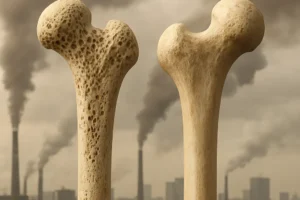
Exposure to certain heavy metals (lead, cadmium) and endocrine disruptors (phthalates, bisphenol A) can accumulate in bone tissue and interfere with remodeling. Avoidance strategies include reducing processed food packaging, filtering drinking water and opting for products tested for chemical safety.
Integrative Strategies for Lifelong Bone Strength
Combining evidence-based nutritional guidance, targeted exercise programs, hormonal balance and avoidance of harmful substances constitutes the cornerstone of a comprehensive approach to bone longevity. Regular screenings—such as dual-energy X-ray absorptiometry (DXA)—enable early detection of bone density changes, allowing timely intervention. Ultimately, proactive management of these factors can sustain skeletal function and reduce the burden of bone-related disorders across the lifespan.