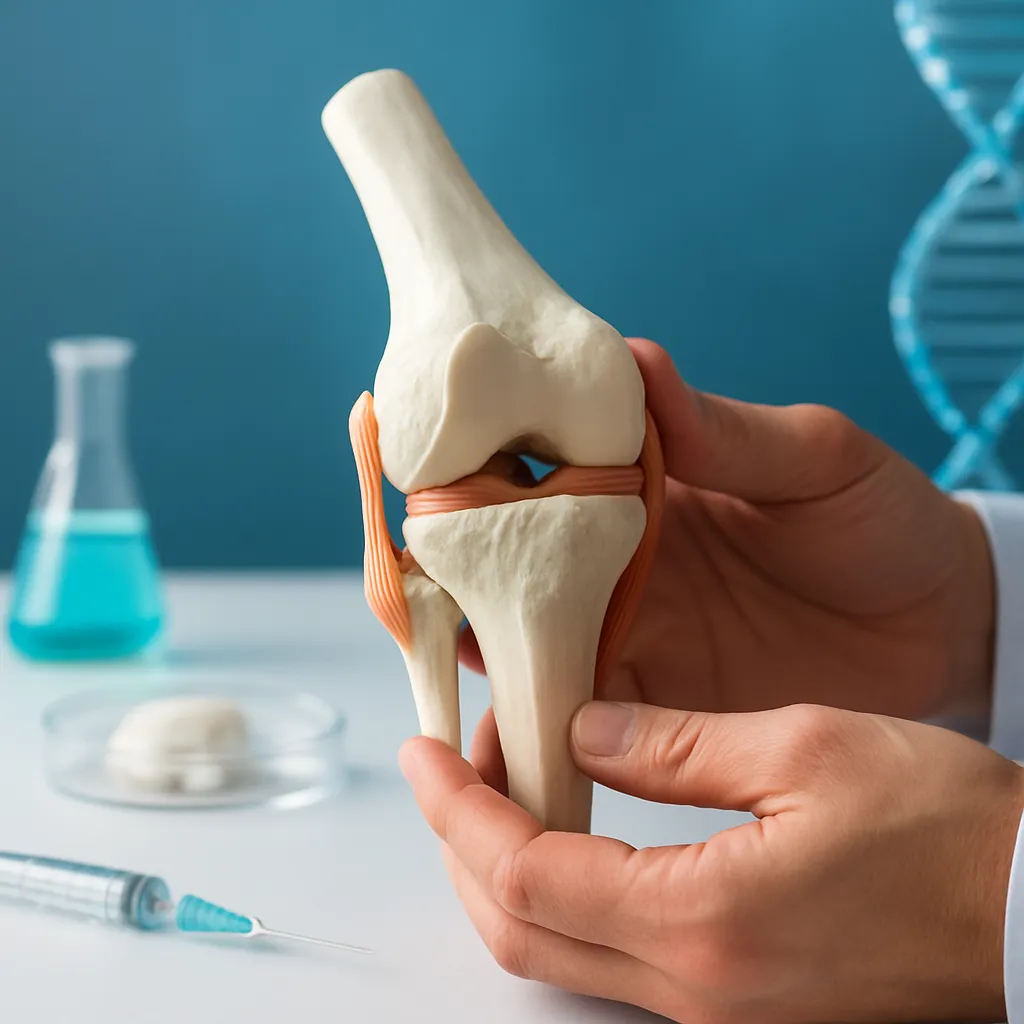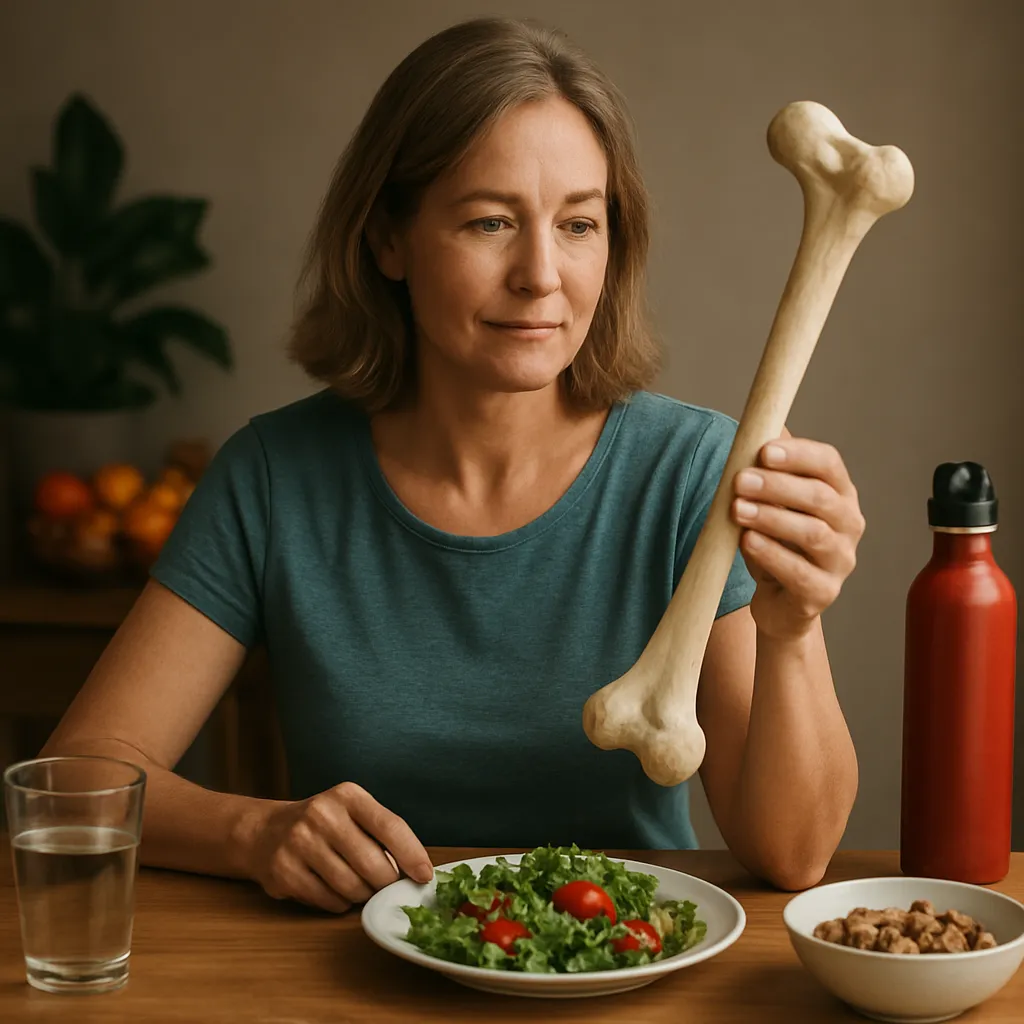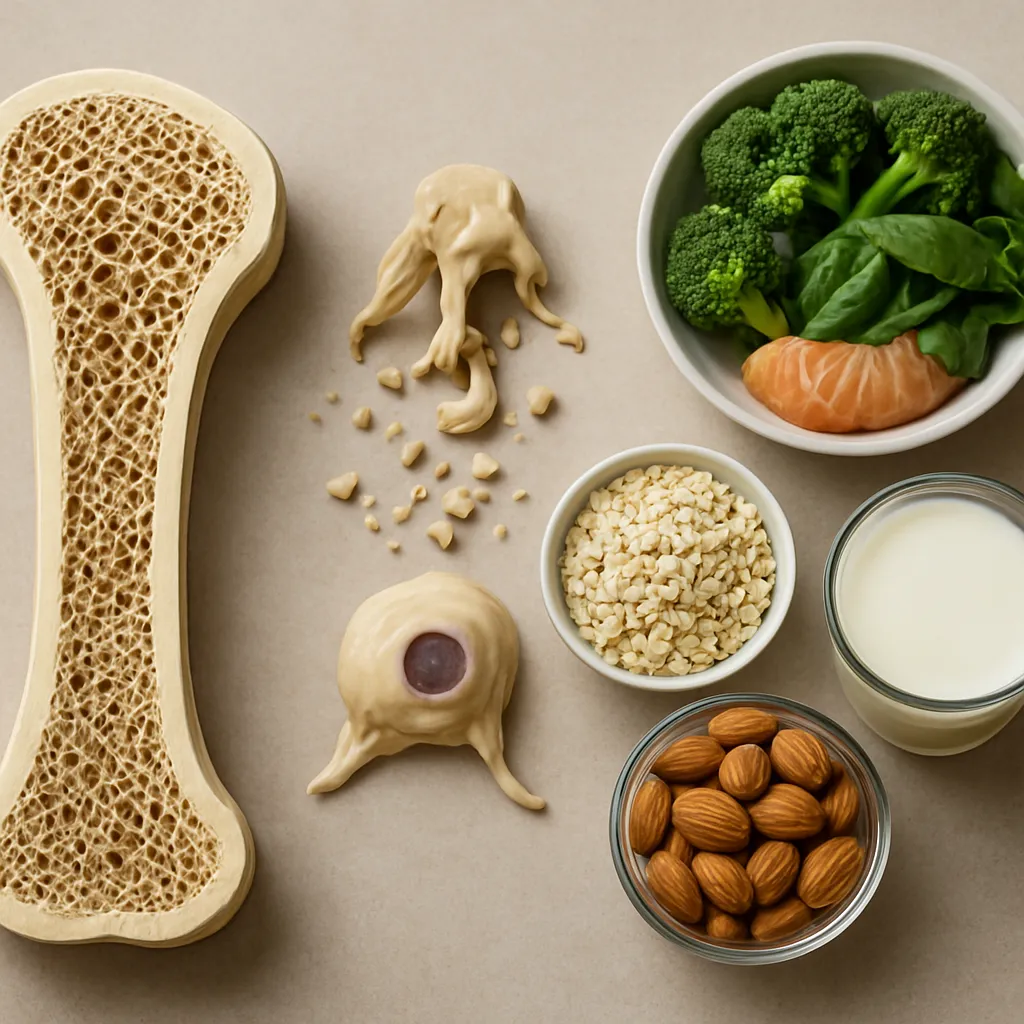
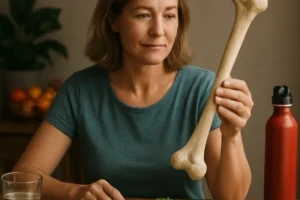

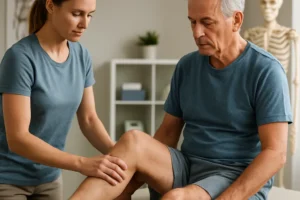

Physical therapy plays a pivotal role in restoring function and promoting optimal recovery following bone injuries and disorders. By integrating targeted exercise, manual techniques, and innovative modalities, therapists support each phase of bone healing and help patients regain independence. Understanding the underlying physiology, selecting appropriate interventions, and applying evidence-based strategies are essential to maximize the benefits of rehabilitation and ensure long-term bone health.
Foundations of Bone Rehabilitation
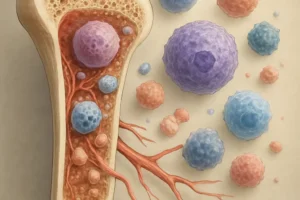
The success of any physical therapy program in bone rehabilitation hinges on a deep understanding of bone biology and the body’s reparative mechanisms. Fracture healing typically progresses through three overlapping stages: inflammation, repair, and remodeling. During the inflammatory phase, white blood cells clear debris and initiate signaling pathways that drive osteogenesis. As the reparative stage unfolds, new bone tissue forms via callus formation. Finally, the remodeling phase refines the bone structure, restoring its original shape and mechanical properties. Physical therapists must consider these stages when designing treatment plans to avoid stressing healing tissues prematurely while still promoting optimal loading.
- Aligning therapeutic goals with healing phases
- Monitoring progress through imaging and functional assessments
- Balancing rest with graded activity to prevent disuse atrophy
Physiological Basis of Intervention
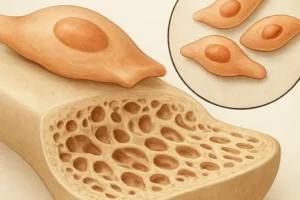
Effective interventions leverage the body’s innate capacity for self-repair. Controlled mechanical stress stimulates bone-forming cells—osteoblasts—to deposit mineralized matrix, enhancing bone density. Conversely, immobilization without appropriate mobilization can lead to decreased mineral content and increased risk of future fractures. Incorporating moderate weight-bearing tasks in a timely manner encourages angiogenesis and nutrient delivery, critical factors in robust bone formation.
Therapeutic Modalities and Techniques
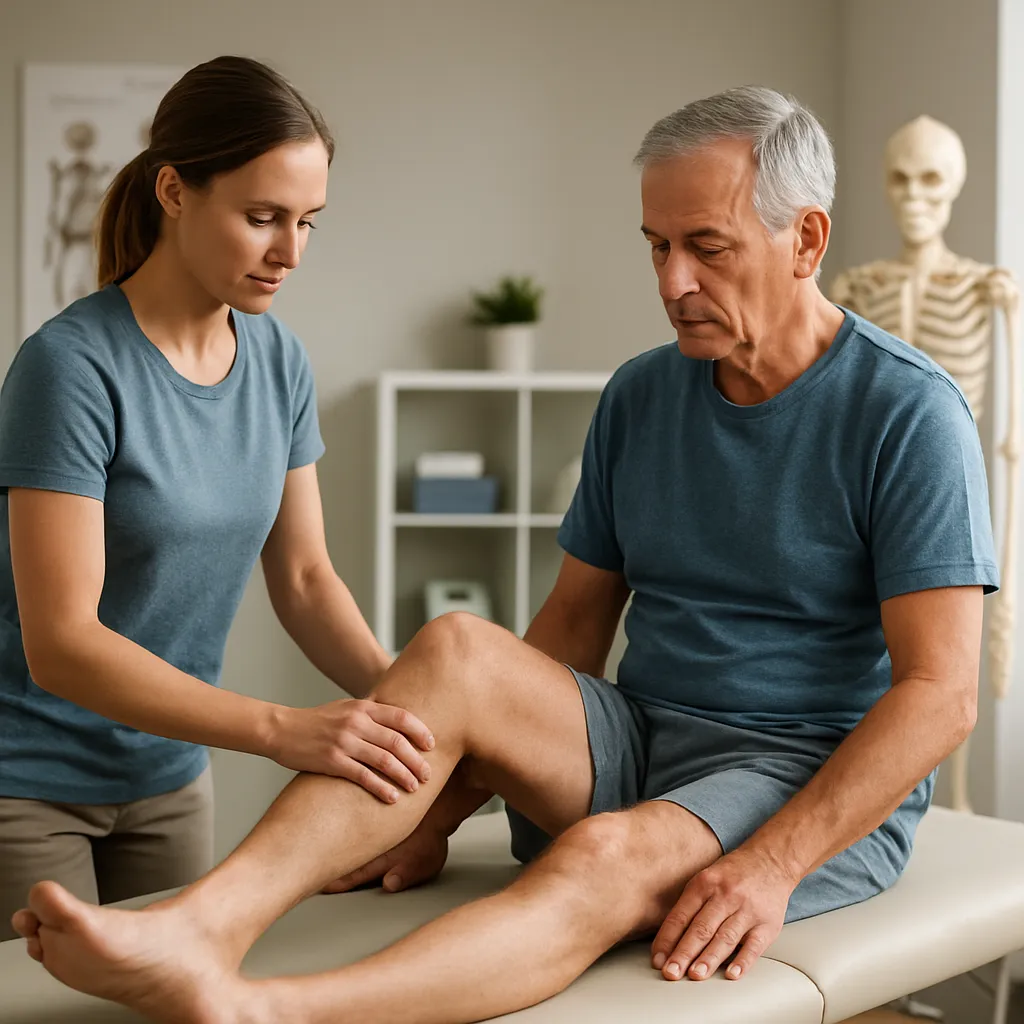
A wide array of modalities supports bone rehabilitation, each tailored to specific patient needs and stages of healing. Manual therapy—such as joint mobilization and soft tissue massage—improves circulation, reduces edema, and prevents adhesions. Hydrotherapy exploits buoyancy to enable low-impact exercise, beneficial in early weight-bearing. Electrotherapy, including low-intensity pulsed ultrasound and electrical stimulation, has shown promise in accelerating fracture union by enhancing cellular activity at the repair site.
- Manual techniques: joint mobilizations, myofascial release
- Hydrotherapy: aquatic walking, resistance exercises
- Electrotherapy: ultrasound, bone growth stimulators
- Thermal applications: cryotherapy to manage pain and inflammation
Exercise Prescription for Optimal Outcomes
Prescribing the right combination of exercises is essential in restoring mobility, enhancing muscle strength, and re-educating proprioceptive pathways. Initial programs may focus on isometric contractions to maintain muscle tone without imposing excessive load on the healing bone. As tolerance improves, therapists introduce concentric and eccentric movements, progressing to functional tasks such as gait training, stair negotiation, and sport-specific drills. Emphasis on proprioception ensures patients regain balance and coordination, reducing the risk of re-injury.
- Phase 1: Passive range-of-motion and isometrics
- Phase 2: Active-assisted to active exercises
- Phase 3: Progressive resistance training
- Phase 4: Functional and sport-specific activities
Clinical Applications in Specific Conditions
Physical therapy is integral to managing diverse bone-related conditions, from traumatic fractures to chronic degenerative diseases. Each condition presents unique challenges that require customization of the rehabilitation approach.
- Fractures: Closed or open fracture management combines immobilization with early mobilization protocols to minimize joint stiffness.
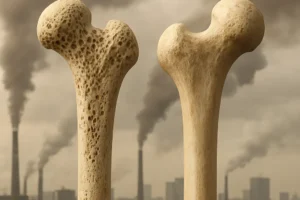
- Osteoporosis: Weight-bearing and resistance exercises slow bone loss and improve postural alignment to prevent vertebral compression fractures.
- Joint replacements: Prehabilitation optimizes strength and flexibility, while postoperative therapy focuses on restoring range of motion and gait mechanics.
- Sports injuries: Stress fractures and overuse syndromes benefit from cross-training and biomechanical correction to address underlying movement faults.
Case Example: Post-Fracture Rehabilitation
A 45-year-old patient with a midshaft tibial fracture underwent intramedullary nailing. Initial physical therapy involved pain control with cryotherapy, gentle ankle pumps for circulation, and non–weight-bearing isometrics. By week six, radiographic evidence of callus formation permitted partial weight-bearing through a tibial loading protocol. The therapist introduced closed kinetic chain exercises, followed by dynamic balance training and eventual plyometric drills to prepare for return to low-impact sports. Objective outcome measures, such as the Timed Up and Go test and single-leg stance time, tracked improvements in mobility and functional capacity.
Future Directions and Innovations
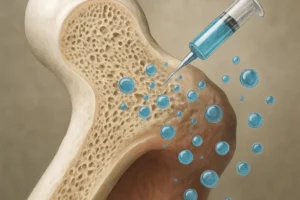
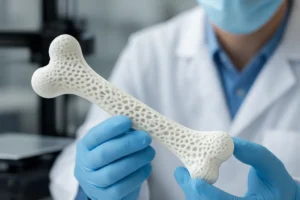
As research in bone biology and technology advances, physical therapy is poised to integrate cutting-edge interventions. Regenerative techniques—like platelet-rich plasma injections and stem cell therapy—aim to enhance the intrinsic repair process, potentially shortening healing time. 3D-printed scaffolds loaded with growth factors offer customized support for large bone defects. Wearable sensors and motion-capture systems enable real-time monitoring of biomechanics, allowing therapists to fine-tune programs based on precise data. Moreover, tele-rehabilitation platforms expand access to expert care, guiding patients through virtual sessions and remote monitoring.
Embracing these innovations while adhering to evidence-based practice will further elevate the critical role of physical therapy in bone and musculoskeletal medicine. By combining scientific insights with skilled therapeutic application, clinicians can drive superior outcomes, restore function, and enhance the quality of life for individuals recovering from bone injuries and conditions.