




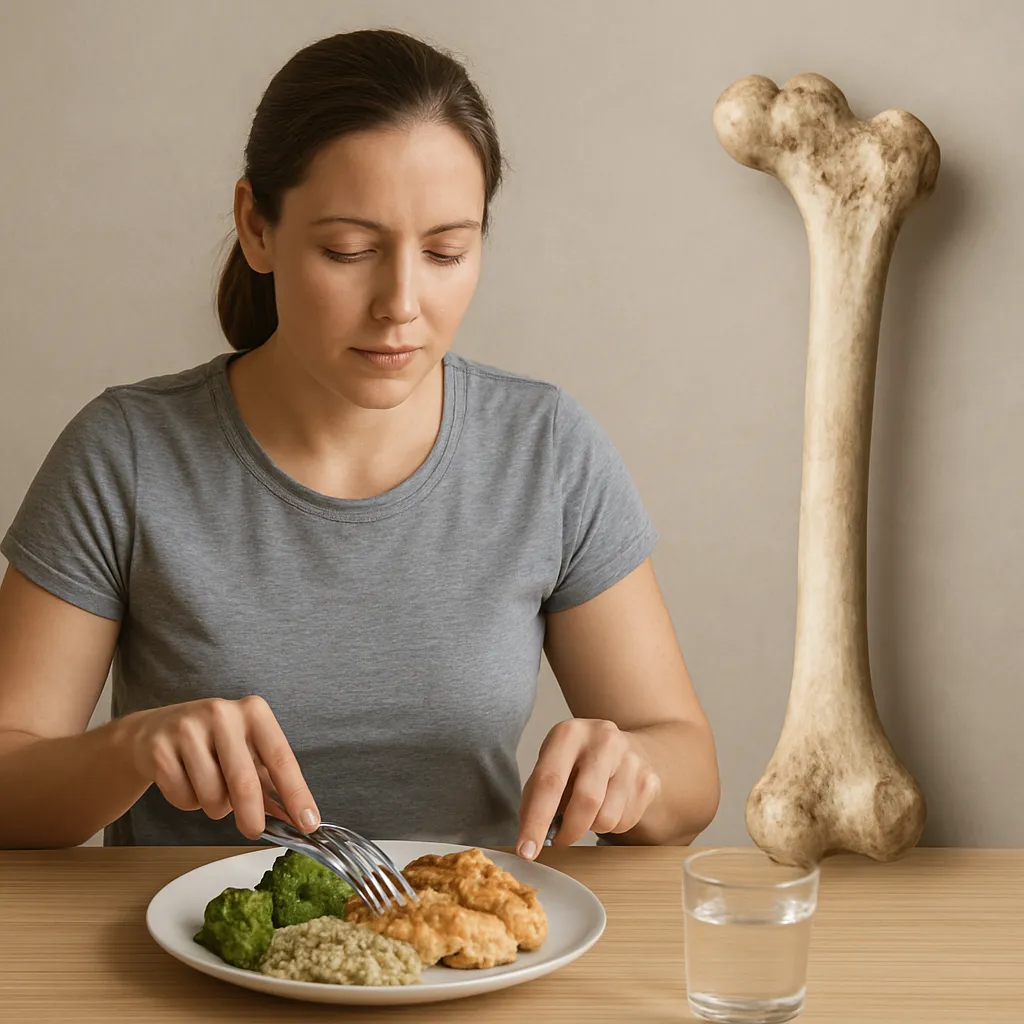
The relationship between dietary intake and skeletal integrity has long intrigued clinicians and researchers alike. Among macronutrients, protein plays a crucial role not only in muscle anabolism but also in bone physiology. This article examines how high-protein regimens influence bone mineral density, reviews underlying mechanisms, evaluates clinical evidence, and outlines practical dietary guidelines to optimize skeletal health.
Understanding Bone Physiology and Protein Metabolism
Bone Remodeling Dynamics
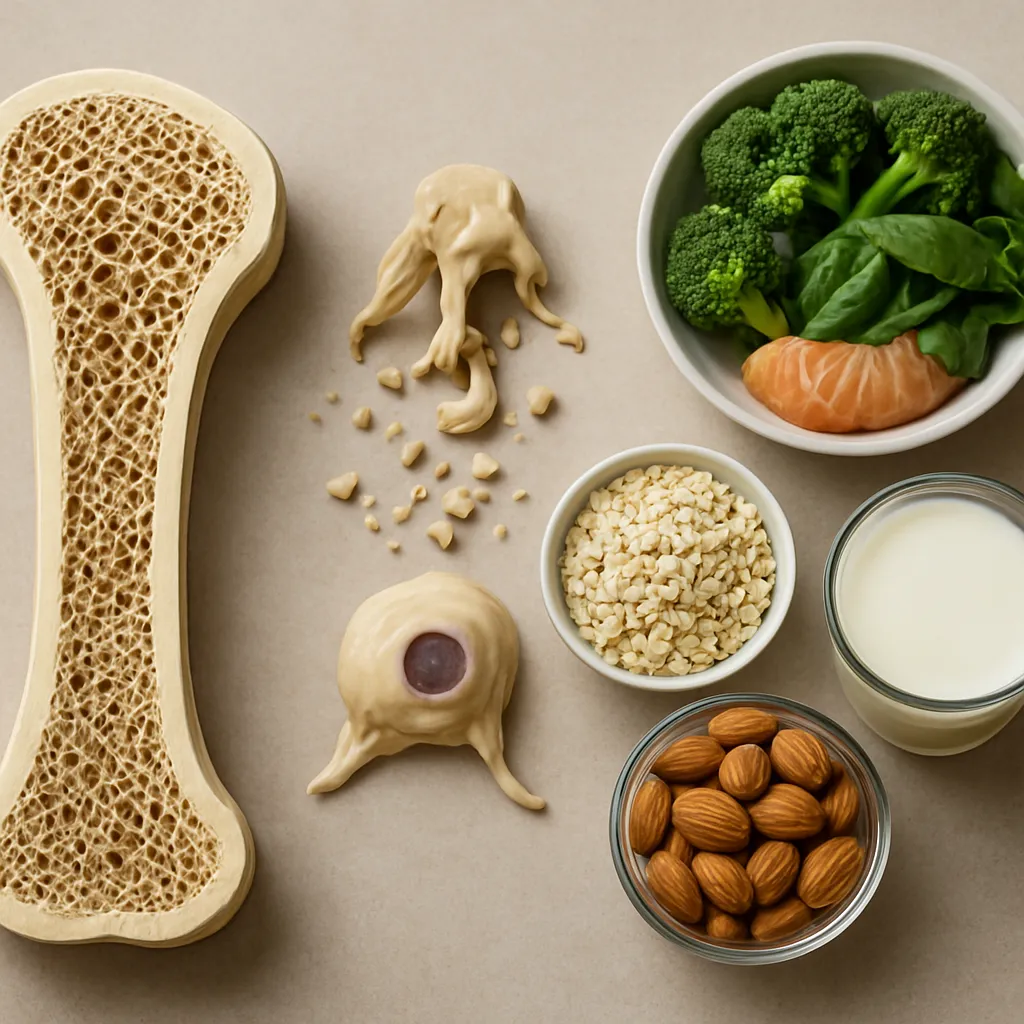
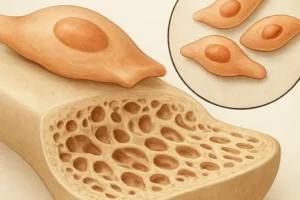
Bone is a dynamic tissue undergoing continuous turnover through the coordinated actions of osteoclasts (bone-resorbing cells) and osteoblasts (bone-forming cells). During remodeling, minerals like calcium and phosphate are released into or deposited from the bloodstream. Adequate protein intake provides the amino acids necessary for collagen synthesis in the bone matrix, influencing both formation and repair.
Protein’s Role in Nutrient Absorption and Metabolism
Dietary protein modulates gastric acid secretion and enzymatic activity, enhancing absorption of key minerals. Amino acids also serve as substrates for gluconeogenesis and support immune function. However, excessive intake can shift renal acid–base balance and alter systemic metabolism, potentially impacting skeletal homeostasis.
Impact of High-Protein Diets on Bone Mineral Density
Calcium Homeostasis and Acid–Base Balance
Traditional concerns link high-protein diets with increased urinary calcium excretion, suggesting a risk of bone demineralization. Elevated dietary protein yields additional acid load, which must be buffered. If unresolved, this may lead to low-grade chronic acidosis, prompting calcium mobilization from bone to maintain blood pH. Yet, the net effect depends on overall nutrient profile and renal handling.
Clinical Studies and Meta-Analyses
- Observational cohorts often show positive or neutral associations between high-protein intake and bone mineral density in older adults, particularly when calcium consumption is sufficient.
- Randomized controlled trials indicate that protein supplementation combined with resistance exercise enhances hip and spine density compared to controls, suggesting synergistic benefits for preserving skeletal strength.
- A meta-analysis of over 20 trials concluded that high-protein diets do not increase fracture risk and may reduce the incidence of osteoporosis when balanced with alkaline foods.
Dietary Considerations and Best Practices
Balancing Macronutrients for Bone Health
Achieving a protective effect on bone requires more than protein alone. A comprehensive approach includes:
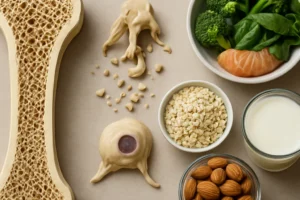
- Adequate calcium (1,000–1,200 mg/day) through dairy, fortified alternatives, or supplements.
- Vitamin D to facilitate calcium absorption (800–1,000 IU/day).
- Fruits and vegetables to provide alkaline precursors (e.g., potassium citrate) that buffer acid and may counterbalance the potential negative effect of high-protein diets.
- Healthy fats (omega-3) to modulate inflammation and support cell membrane integrity.
Supplementation Strategies and Meal Timing
Distributing protein evenly across meals (20–30 g per serving) maximizes muscle protein synthesis and may reduce postprandial acid peaks. Combining protein with sources of dietary alkali—such as green vegetables—attenuates urinary calcium losses. In individuals at risk of osteoporosis, targeted supplementation (e.g., casein, whey) can further enhance bone formation markers.
Potential Risks and Mitigation
Renal Load and Acid–Base Considerations
High-protein diets can increase glomerular filtration and urea production, imposing an additional nutrition-related burden on kidney function. In subjects with preexisting renal impairment, the capacity to excrete acid is reduced, heightening the risk of metabolic acidosis. Monitoring serum bicarbonate and urinary pH can guide dietary adjustments.
Long-Term Monitoring and Population Variability
Interindividual differences—such as age, hormonal status, and genetic predispositions—modulate the skeletal response to protein intake. Postmenopausal women, for example, may experience greater bone loss if dietary patterns neglect calcium and alkaline foods. Regular assessment of bone density and markers of bone turnover can help tailor dietary prescriptions.