

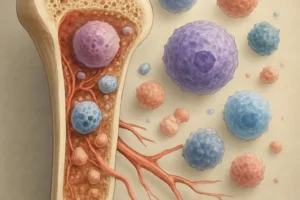
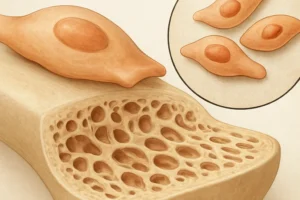


The intricate relationship between the gut microbiota and skeletal health has emerged as a promising field of study within bone and medical research. Recent evidence suggests that the trillions of microorganisms inhabiting our intestines play a crucial role in regulating bone density, influencing both bone formation and resorption. This article delves into the complex mechanisms linking the gut ecosystem to skeletal integrity, highlighting potential therapeutic avenues that harness microbial modulation to prevent or treat metabolic bone diseases.
The Gut Microbiome and Its Key Components
The term microbiome encompasses the diverse community of bacteria, fungi, viruses, and protozoa that collectively colonize the gastrointestinal tract. Among these, bacterial populations dominate, with Firmicutes, Bacteroidetes, Actinobacteria, and Proteobacteria representing the major phyla. This microbial consortium performs a range of physiological functions crucial for host well-being:
- Digestion of complex carbohydrates and production of metabolites
- Regulation of gut barrier integrity and protection against pathogens
- Modulation of the immune system through antigen presentation and cytokine production
- Synthesis of essential vitamins and cofactors
Under homeostatic conditions, a balanced microbiome supports overall health. However, dysbiosis—imbalances in microbial diversity or abundance—can lead to increased intestinal permeability, systemic inflammation, and metabolic disturbances that adversely affect bone remodeling processes.
Mechanisms Linking Gut Microbiota to Bone Metabolism
Bone remodeling is regulated by a dynamic interplay between osteoblasts, which form new bone, and osteoclasts, which resorb old bone. The gut microbiota influences this equilibrium via multiple interrelated pathways.
Enhancement of Nutrient Absorption
One of the primary routes through which gut microbes support bone health is by optimizing the absorption of minerals and vitamins essential for skeletal maintenance. Key points include:
- Fermentation of dietary fibers into short-chain fatty acids (SCFAs), such as acetate, propionate, and butyrate, which lower colonic pH and increase solubility of calcium and magnesium.
- Microbial synthesis of vitamin K2 and B vitamins that serve as cofactors in bone matrix formation and collagen cross-linking.
- Upregulation of intestinal transporters and paracellular permeability, facilitating mineral uptake.
Immune Modulation and Inflammatory Control
A balanced gut ecosystem maintains immunological tolerance while preventing excessive inflammatory signaling. Dysbiosis can trigger elevated levels of pro-inflammatory cytokines (TNF-α, IL-6) that activate osteoclastogenesis and inhibit osteoblast function. Conversely, beneficial strains such as Lactobacillus and Bifidobacterium:
- Promote regulatory T cell differentiation, curbing aberrant immune activation.
- Secrete anti-inflammatory metabolites that downregulate RANKL-mediated bone resorption.
- Strengthen the intestinal barrier, reducing translocation of lipopolysaccharide and systemic endotoxemia.
Endocrine and Hormonal Influences
Gut microbes can also influence bone by modulating systemic hormone levels:
- Production of SCFAs stimulates secretion of peptide YY (PYY) and glucagon-like peptide-1 (GLP-1), which indirectly affect bone turnover.
- Alteration of sex hormone metabolism, including estrogen and androgen, through bacterial enzymatic activities (e.g., β-glucuronidase).
- Regulation of insulin-like growth factor 1 (IGF-1) levels, essential for osteoblast proliferation and differentiation.
Direct Impact on Bone Cells
Emerging data indicate that certain bacterial metabolites can travel via circulation to exert direct effects on bone cells:
- Butyrate enhances osteoblastogenesis and suppresses osteoclast differentiation.
- Polyamines produced by gut flora support collagen synthesis and extracellular matrix deposition.
- Microbial-derived indoles influence Wnt signaling pathways critical to bone formation.
Clinical Implications and Potential Therapies
Understanding the gut-bone axis opens novel avenues for preventing and managing metabolic bone disorders such as osteoporosis and osteopenia. Strategies under investigation include dietary interventions, microbial supplements, and targeted pharmacological agents.
Probiotics and Prebiotics
Supplementation with live beneficial bacteria (probiotics) or fermentable substrates (prebiotics) aims to restore microbial equilibrium and foster an environment conducive to bone health. Clinical trials reveal that:
- Probiotic strains like Lactobacillus reuteri decrease bone resorption markers in postmenopausal women.
- Prebiotic inulin-type fructans increase calcium absorption and improve bone mineral content in adolescents.
- Synbiotic formulations (combining probiotics and prebiotics) synergistically enhance SCFA production.
Dietary Patterns and Nutritional Modulation
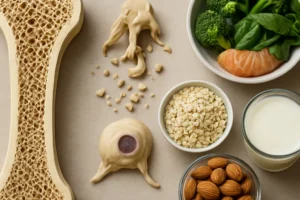
A diet rich in diverse fibers, fermented foods, and micronutrient-dense items can shape a beneficial microbiome profile. Key recommendations include:
- Inclusion of whole grains, legumes, fruits, and vegetables to fuel SCFA-producing bacteria.
- Consumption of yogurt, kefir, and kimchi as natural sources of live cultures.
- Adequate intake of calcium, magnesium, and vitamin D to support microbial-mediated absorption processes.
Future Research and Personalized Medicine
While current findings are promising, further investigation is required to translate microbiome science into personalized bone therapies. Areas of interest involve:
- Identification of microbial signatures predictive of fracture risk.
- Development of postbiotic compounds that deliver specific microbial metabolites without live organisms.
- Integration of metagenomic and metabolomic data to tailor interventions to individual microbial profiles.
Collectively, the burgeoning field of gut microbiota research holds the potential to revolutionize approaches to bone health, offering innovative pathways to bolster skeletal strength and prevent debilitating fractures through targeted modulation of our internal microbial communities.