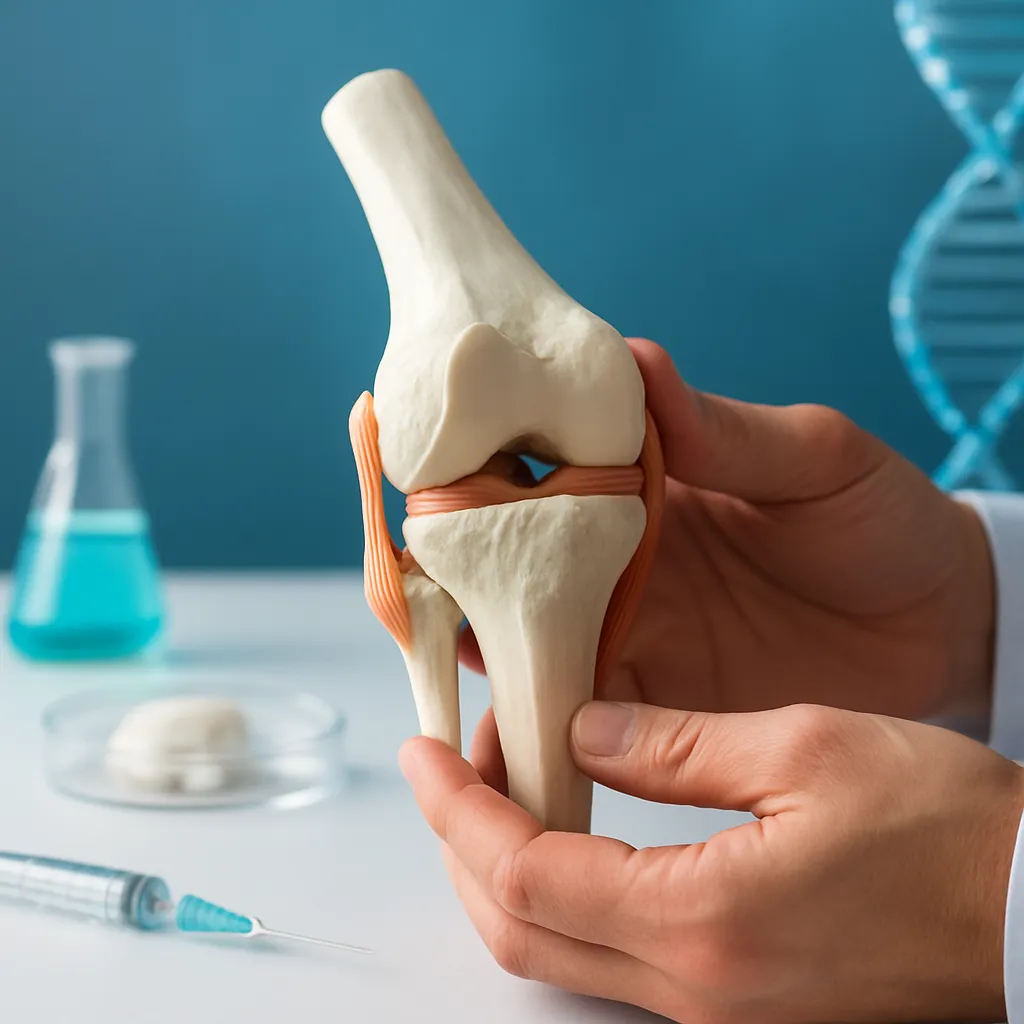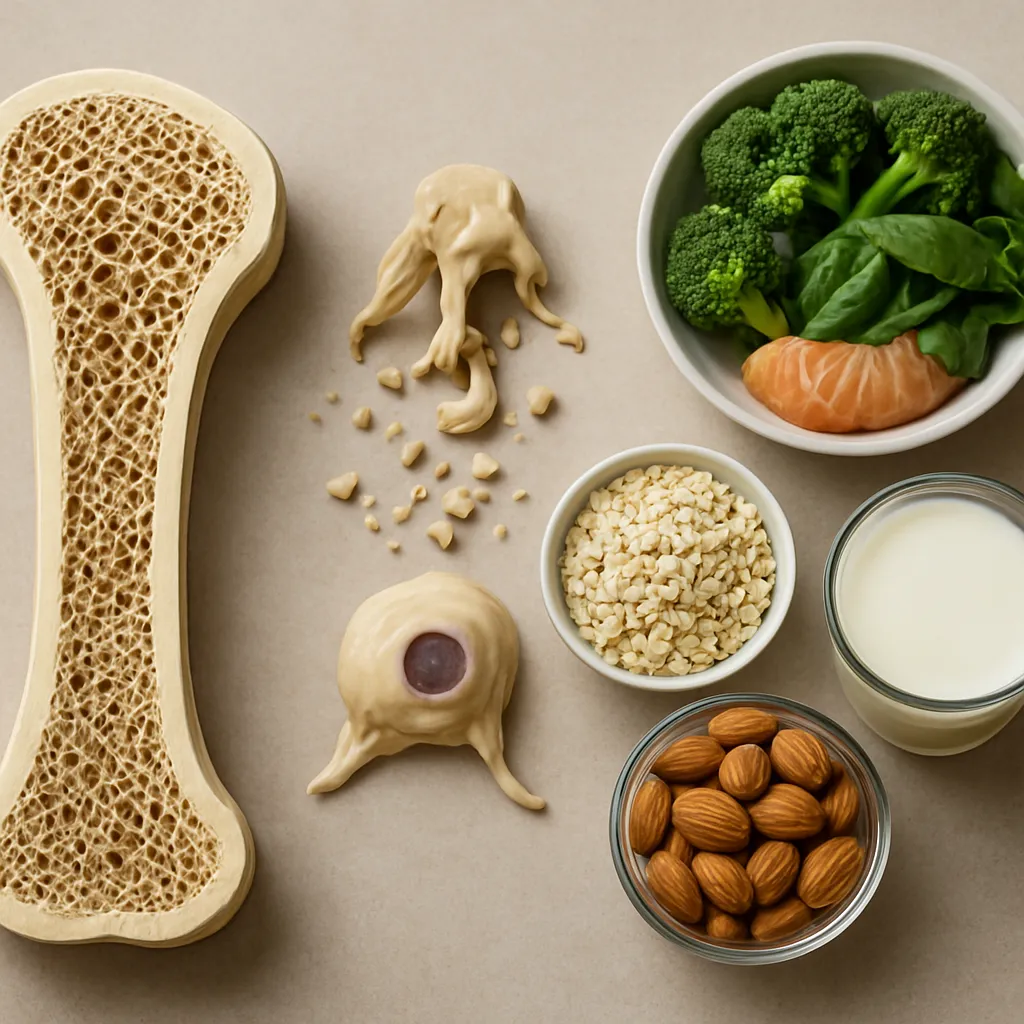




Bone implants have transformed modern **healthcare** by offering robust solutions for skeletal defects, trauma repair, and joint replacement. The synergy between advanced **biomaterials** and the body’s regenerative capabilities underpins the success of osseointegration. This article delves into the scientific foundations, biological processes, clinical applications, and future possibilities associated with bone implants and osseointegration.
Material Science and Implant Design
Innovations in material science have driven the design of implants that mimic the mechanical and chemical properties of native bone. The choice of a primary material is crucial for achieving **mechanical stability** and long-term performance.
Biocompatible Metals and Alloys
- Titanium and its alloys remain the gold standard due to their favorable strength-to-weight ratio, corrosion resistance, and biocompatibility.
- Cobalt-chromium alloys are used in high-load-bearing applications such as hip and knee replacements, offering enhanced wear resistance.
- Surface treatments like anodization and sandblasting improve **surface roughness**, promoting bone cell attachment and growth.
Advanced Ceramic and Composite Materials
- Zirconia ceramics combine high hardness with aesthetic advantages, making them popular in dental implants.
- Hydroxyapatite and tricalcium phosphate coatings emulate the mineral phase of bone, enhancing **bone regeneration** at the implant interface.
- Composite scaffolds blending polymers and ceramics allow customization of degradation rates and mechanical properties.
Porous Scaffold Architectures
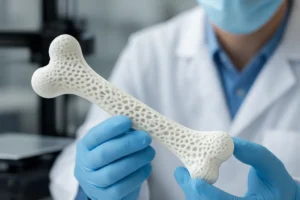
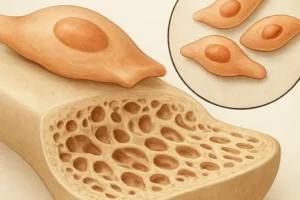
Porosity plays a pivotal role in facilitating nutrient diffusion, vascularization, and **angiogenesis**. Additive manufacturing, commonly known as 3D printing, enables the fabrication of complex lattice structures tailored to patient-specific defect geometries.
Biological Mechanisms of Osseointegration
The term osseointegration describes the direct structural and functional **connection** between living bone and the implant surface. Understanding the cellular and molecular events is essential for optimizing implant success.
Protein Adsorption and Initial Healing
Immediately after implantation, blood proteins adsorb onto the implant, forming a provisional matrix. This **protein film** influences cell behavior, guiding platelet adhesion and the release of growth factors.
Cellular Response and Bone Formation
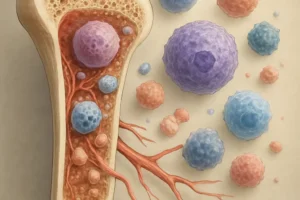
- Mesenchymal stem cells migrate to the implant site and differentiate into osteoblasts, initiating new bone deposition.
- Osteoblasts secrete osteoid, which mineralizes to form mature bone tissue directly on the implant surface.
- Osteoclasts remodel the bone-implant interface, balancing bone formation with resorption to achieve a stable integration.
Vascularization and Nutrient Supply
Robust blood vessel ingrowth is critical for delivering nutrients and removing waste. Strategies to enhance **angiogenesis**, such as incorporating growth factors (e.g., VEGF) or designing channels within the scaffold, significantly improve the success of large implants.
Clinical Applications and Surgical Techniques
The translation of osseointegration science into clinical practice has revolutionized several medical specialties. Surgical precision and post-operative management are as vital as the implant material itself.
Dental Implantology
- Endosseous implants replace missing teeth roots, providing a foundation for crowns and bridges with exceptional stability.
- Immediate loading protocols allow provisional prostheses within days, improving patient comfort and reducing treatment times.
- Advanced imaging modalities, such as cone-beam CT, facilitate precise planning and the use of **personalized implants**.
Orthopedic Joint Replacement
- Hip and knee arthroplasties rely on load-bearing implants that withstand cyclic forces over decades.
- Minimally invasive surgical approaches reduce tissue trauma, promoting faster recovery and minimizing infection risk.
- Modular implant systems allow intraoperative adjustments to achieve optimal alignment and joint mechanics.
Spinal Fusion and Trauma Fixation
Interbody fusion devices and internal fixation plates stabilize the spine and fractured bones, respectively. The incorporation of osteoinductive materials, such as demineralized bone matrix, further enhances **bone regeneration** across the graft-host interface.
Challenges and Future Directions
Despite remarkable advances, several challenges persist. Addressing these issues will pave the way for next-generation bone implants.
Managing Infection and Biofilm Formation
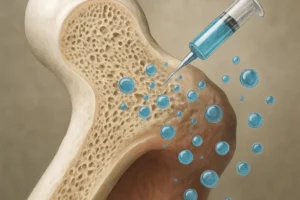
Implant-associated infections can lead to implant failure and necessitate revision surgery. Surface modifications with **antimicrobial** coatings or localized antibiotic delivery systems are under investigation to mitigate this risk.
Enhancing Mechanical Performance under Cyclic Loading
Long-term success requires implants to endure repetitive stress without fatigue failure. Emerging designs incorporate **nanotechnology** to refine grain structures and improve fatigue resistance.
Personalized and Bioactive Implants
Combining patient imaging data with computational modeling enables the creation of **custom-fit** implants. Bioactive surfaces that release growth factors or interact dynamically with surrounding tissues represent an exciting frontier.
Regenerative Strategies and Tissue Engineering
Beyond mechanical support, the integration of living cells within scaffolds aims to restore complex tissue interfaces, such as osteochondral units. Hybrid approaches leveraging **stem cell** therapy and bioreactors may usher in a new era of functional tissue replacement.