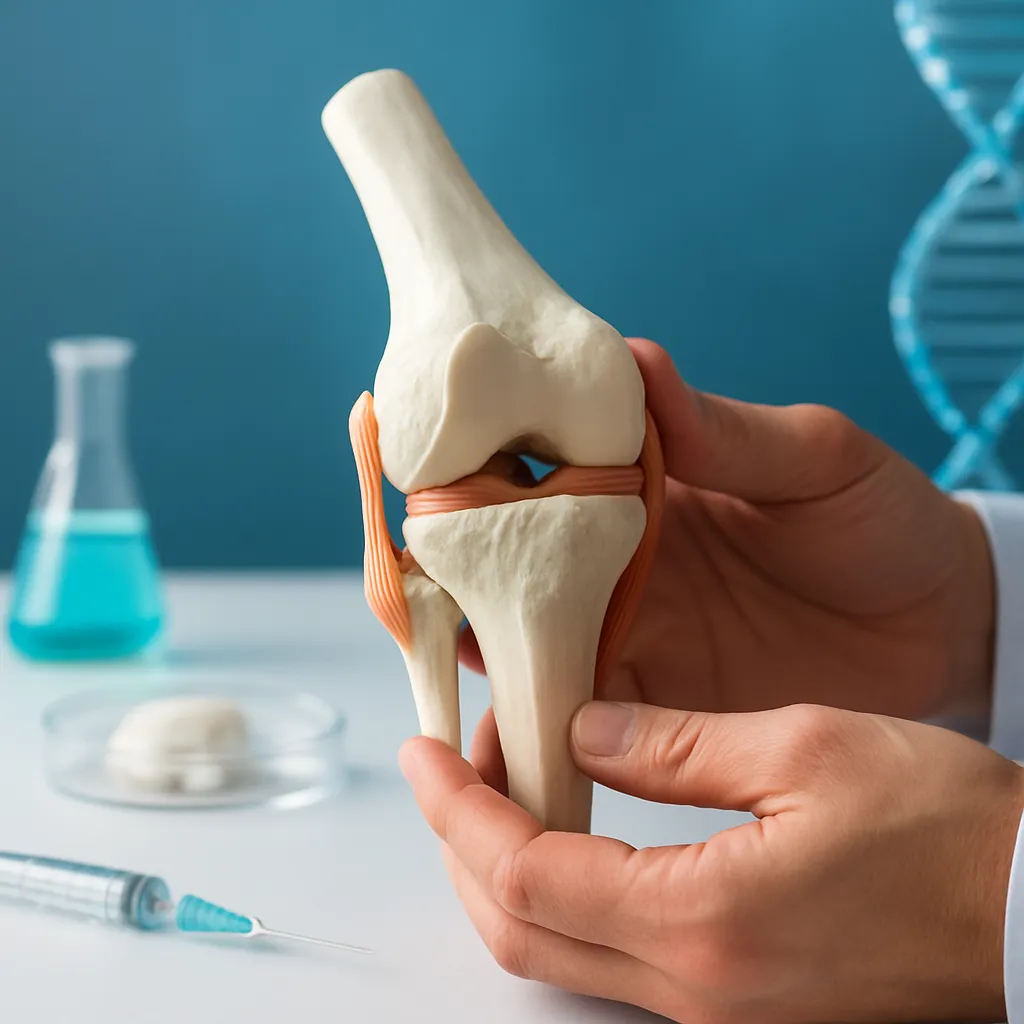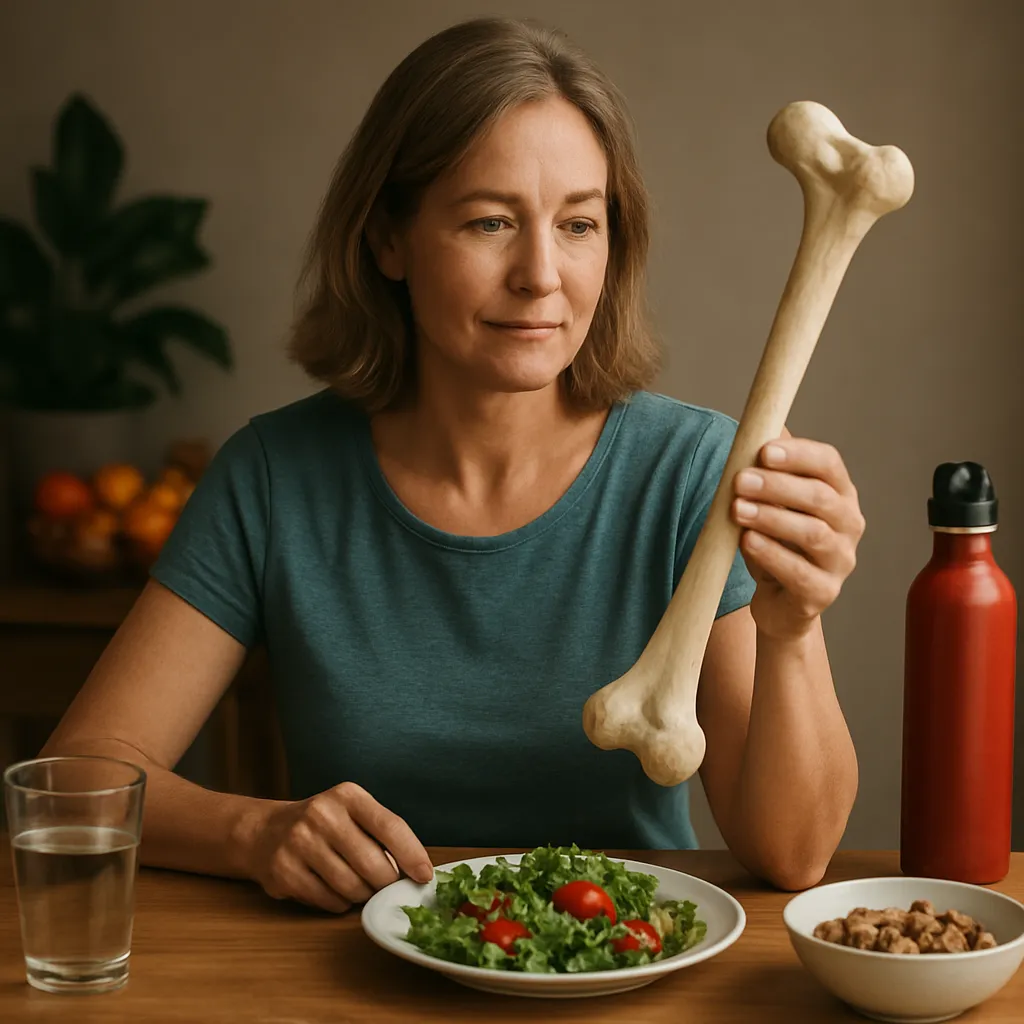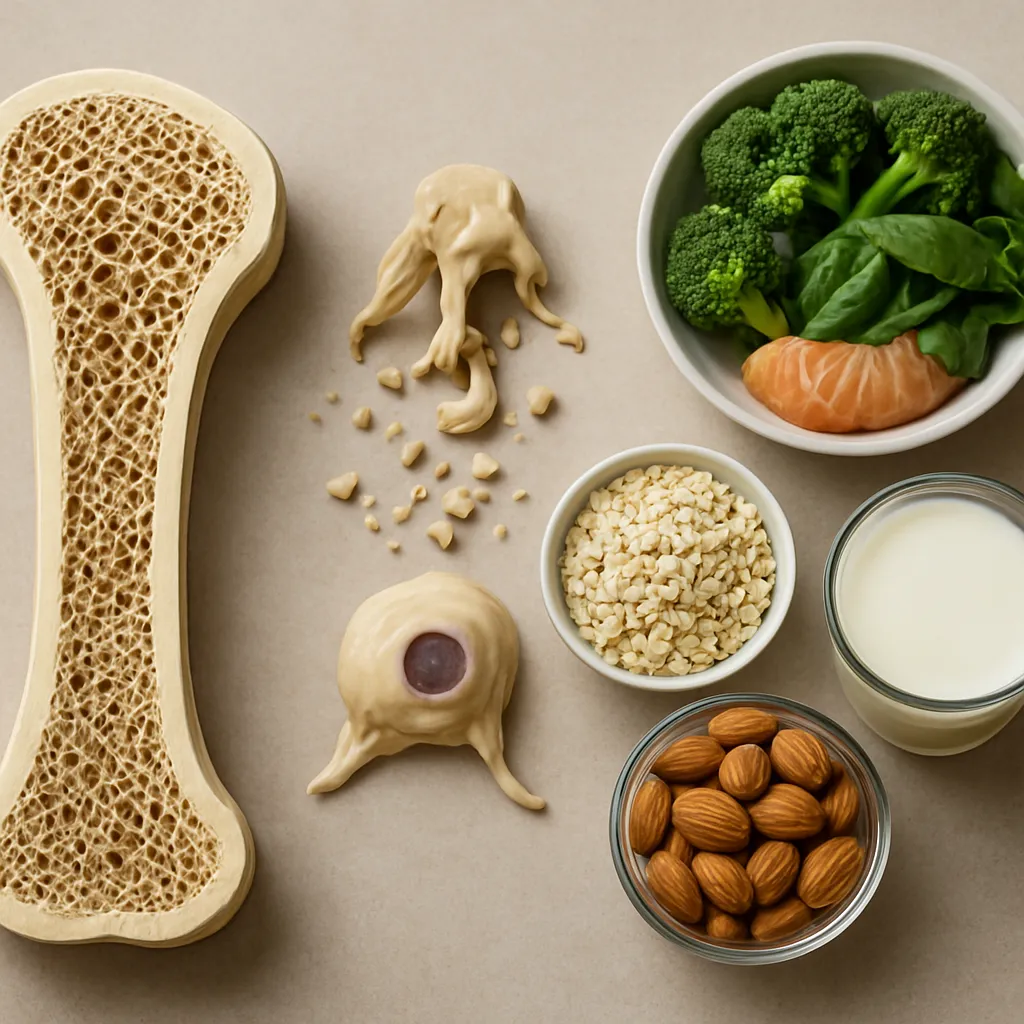
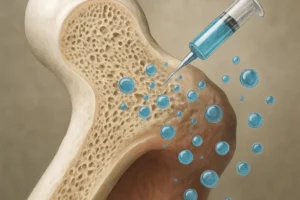
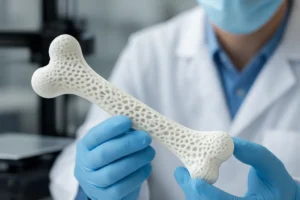
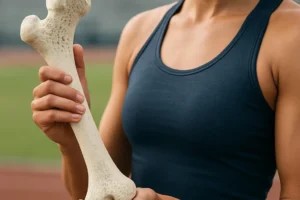
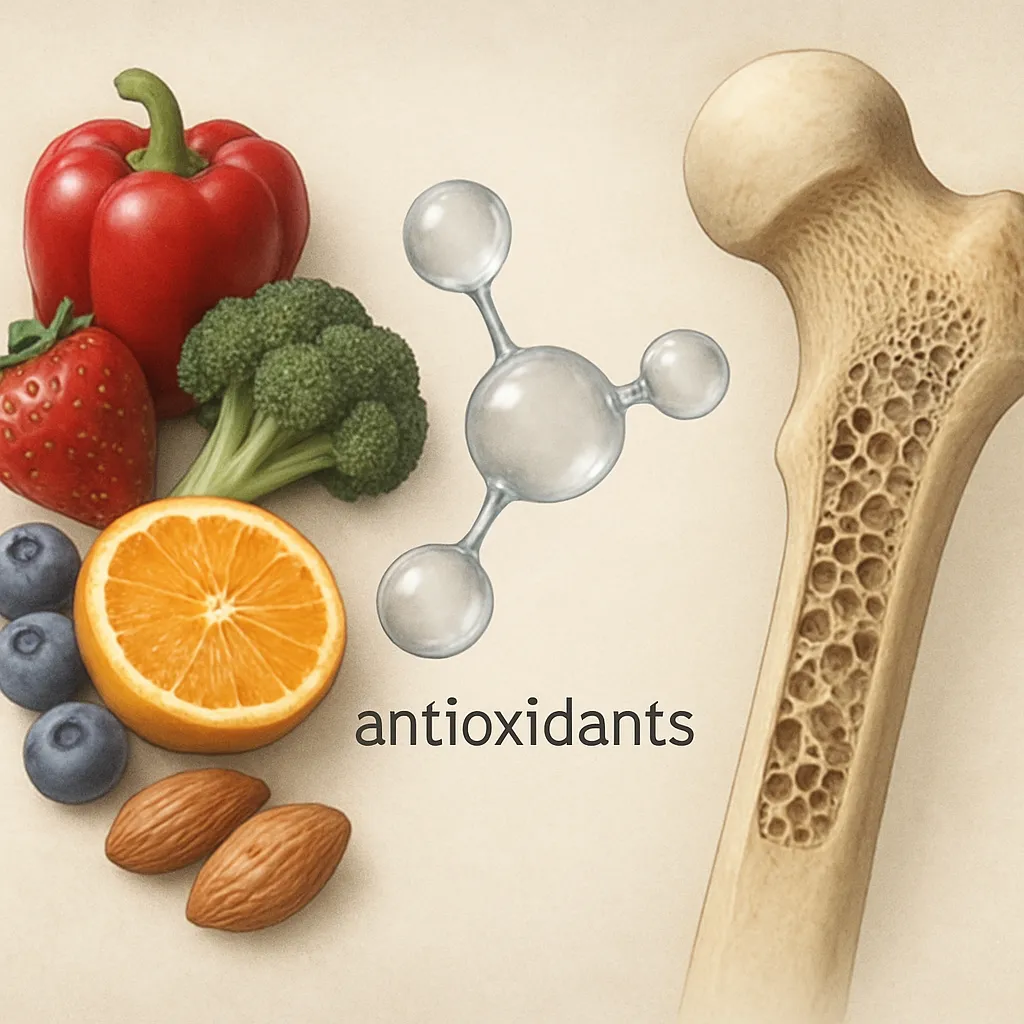
Bone integrity depends on a delicate balance between formation and resorption, influenced by numerous factors from cellular activity to dietary intake. Emerging research highlights the vital role of antioxidants in maintaining skeletal strength and reducing age-related bone loss. This article explores how oxidative processes undermine bone health and how specific dietary compounds can tip the balance toward preservation and repair.
Understanding Oxidative Stress in Bone
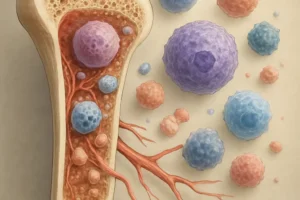
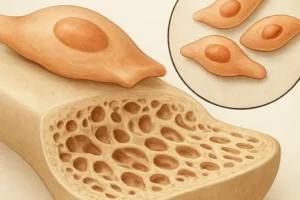
Bone is a dynamic tissue undergoing constant remodeling. Two cell types coordinate this process: osteoblasts, which build new bone matrix, and osteoclasts, which resorb old or damaged bone. Under physiological conditions, reactive oxygen species (ROS) serve as signaling molecules to regulate these cells. However, when ROS production exceeds the body’s antioxidant defense, oxidative stress ensues, triggering a cascade of harmful effects.
- Free radicals damage DNA, proteins, and lipids in bone cells.
- Excess ROS enhance osteoclast differentiation, accelerating bone resorption.
- Oxidative damage impairs osteoblast function, reducing bone formation.
- Chronic low-grade inflammation driven by ROS disrupts the remodeling balance.
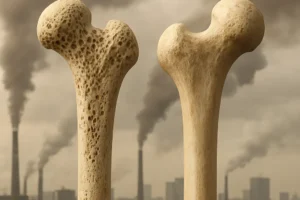
Studies demonstrate that aging, smoking, and metabolic disorders amplify ROS levels in bone microenvironments. Consequently, bone mineral density declines, and fracture risk rises, particularly in postmenopausal women where estrogen’s antioxidant properties wane.
Key Antioxidant Mechanisms Supporting Bone Health
The body deploys multiple lines of defense against oxidative insults, from enzymatic systems to dietary molecules. Understanding these processes clarifies how antioxidants safeguard skeletal integrity.
Enzymatic Defenses
- Superoxide dismutase (SOD): Converts superoxide radicals into less harmful hydrogen peroxide.
- Glutathione peroxidase: Reduces hydrogen peroxide to water, using glutathione as a cofactor.
- Catalase: Decomposes hydrogen peroxide into water and oxygen, minimizing cellular damage.
Non-Enzymatic Antioxidants
- Vitamin C: Essential for collagen synthesis in bone matrix; scavenges ROS directly.
- Vitamin E: Protects cell membranes from lipid peroxidation.
- Polyphenols: Plant-derived compounds (e.g., flavonoids, stilbenes) that neutralize free radicals and modulate signaling pathways involved in bone remodeling.
- Carotenoids (e.g., beta-carotene, lycopene): Support osteoblast differentiation and inhibit osteoclast activity.
Collectively, these antioxidants reduce cellular stress, limit inflammatory cytokine release, and promote a favorable environment for bone formation. By scavenging ROS and upregulating protective genes, they restore the remodeling equilibrium.
Dietary Sources and Nutritional Strategies
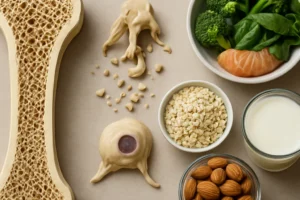
A balanced diet rich in antioxidant compounds is a cornerstone of preventive bone care. Incorporating diverse foods ensures a broad spectrum of protective molecules.
- Berries (e.g., blueberries, strawberries): High in anthocyanins and vitamin C, they support collagen cross-linking and reduce oxidative damage.
- Leafy greens (e.g., spinach, kale): Provide vitamin K, magnesium, and carotenoids vital for osteoblast activity.
- Nuts and seeds (e.g., almonds, flaxseeds): Rich in vitamin E, selenium, and omega-3 fatty acids, which synergize with antioxidants to curb inflammation.
- Green tea: Contains epigallocatechin gallate (EGCG), a potent polyphenol that suppresses osteoclastogenesis.
- Dark chocolate: Offers flavonoids like catechin with demonstrated benefits for bone microarchitecture when consumed in moderation.
Supplements may be warranted in certain populations at risk for deficiency. However, high-dose single antioxidants can sometimes produce pro-oxidant effects. Thus, focusing on whole foods ensures a mix of synergistic compounds and reduces the likelihood of imbalance.
Clinical Evidence and Research Advances
Several human and animal studies have evaluated the impact of antioxidant interventions on bone outcomes.
Animal Models
- Mice fed diets supplemented with resveratrol (a polyphenol in grapes) exhibited increased bone mineral density and improved micro-CT parameters.
- Vitamin E-deficient rodents showed accelerated bone loss, confirming its necessity for skeletal health.
- Administration of green tea extract in ovariectomized rats mitigated postmenopausal bone deterioration by lowering ROS levels.
Human Trials
- A randomized trial of postmenopausal women receiving daily vitamin C and E supplements recorded a modest reduction in bone turnover markers.
- Observational studies correlate high dietary flavonoid intake with 20–30% lower risk of hip fracture in older adults.
- Interventions combining calcium, vitamin D, and polyphenol-rich extracts showed greater improvements in bone density than calcium and vitamin D alone.
While promising, many trials are limited by small sample sizes and short durations. Larger, long-term clinical trials are needed to establish definitive guidelines and optimal dosing strategies.
Future Directions and Practical Considerations
Emerging technologies such as bone imaging and biomarkers of oxidative damage pave the way for personalized antioxidant therapy.
- Measurement of oxidative DNA adducts or lipid peroxidation products could tailor interventions to individuals with elevated oxidative stress.
- Genetic profiling may identify patients who benefit most from specific antioxidant classes based on polymorphisms in detoxification enzymes.
- Combination therapies targeting multiple pathways—antioxidant, anti-inflammatory, and hormonal—hold potential to synergistically bolster bone health.
In clinical practice, integrating dietary counseling with standard osteoporosis treatments may enhance outcomes. Healthcare professionals should emphasize whole-food approaches over isolated supplements and monitor for nutrient interactions, such as between vitamin E and anticoagulant medications.
Maintaining skeletal resilience involves more than calcium and vitamin D alone. By addressing the oxidative dimension of bone biology, antioxidants offer a complementary strategy to protect, preserve, and potentially restore bone structure across the lifespan.