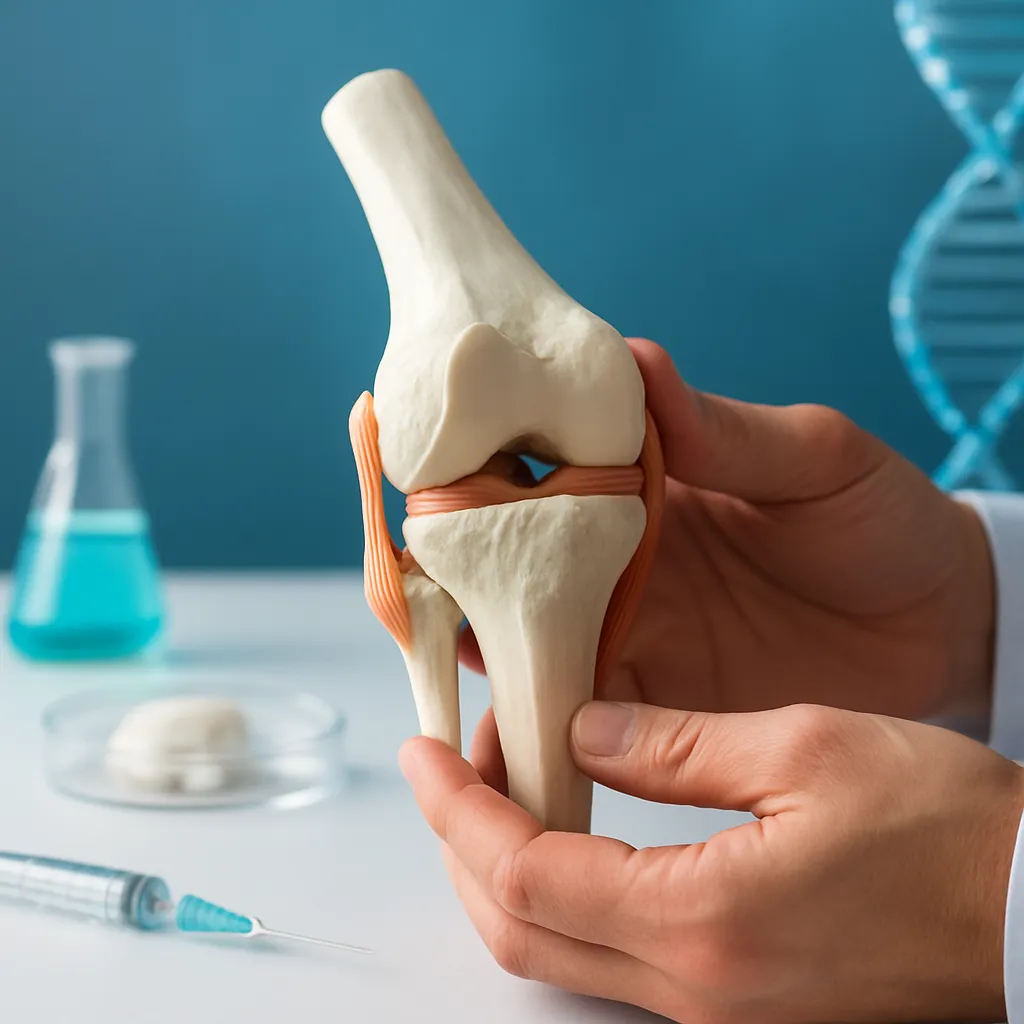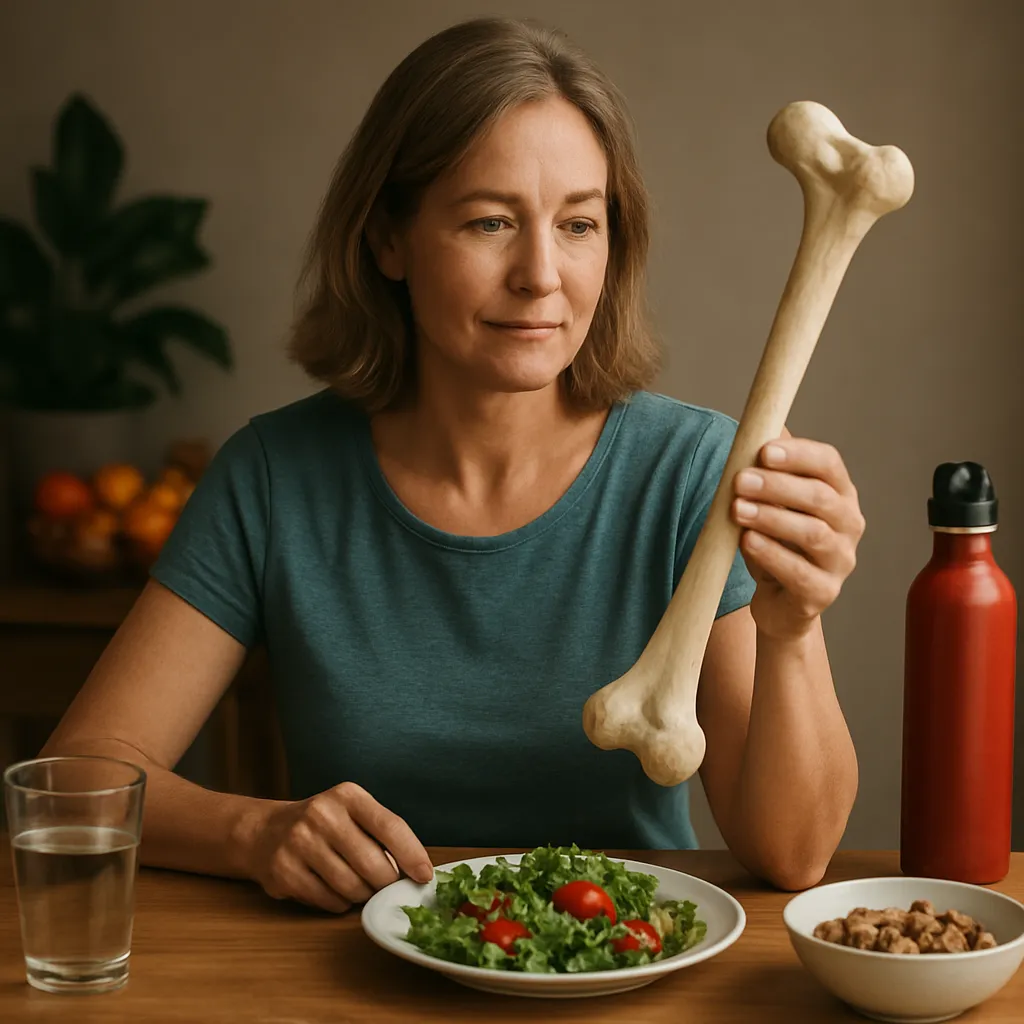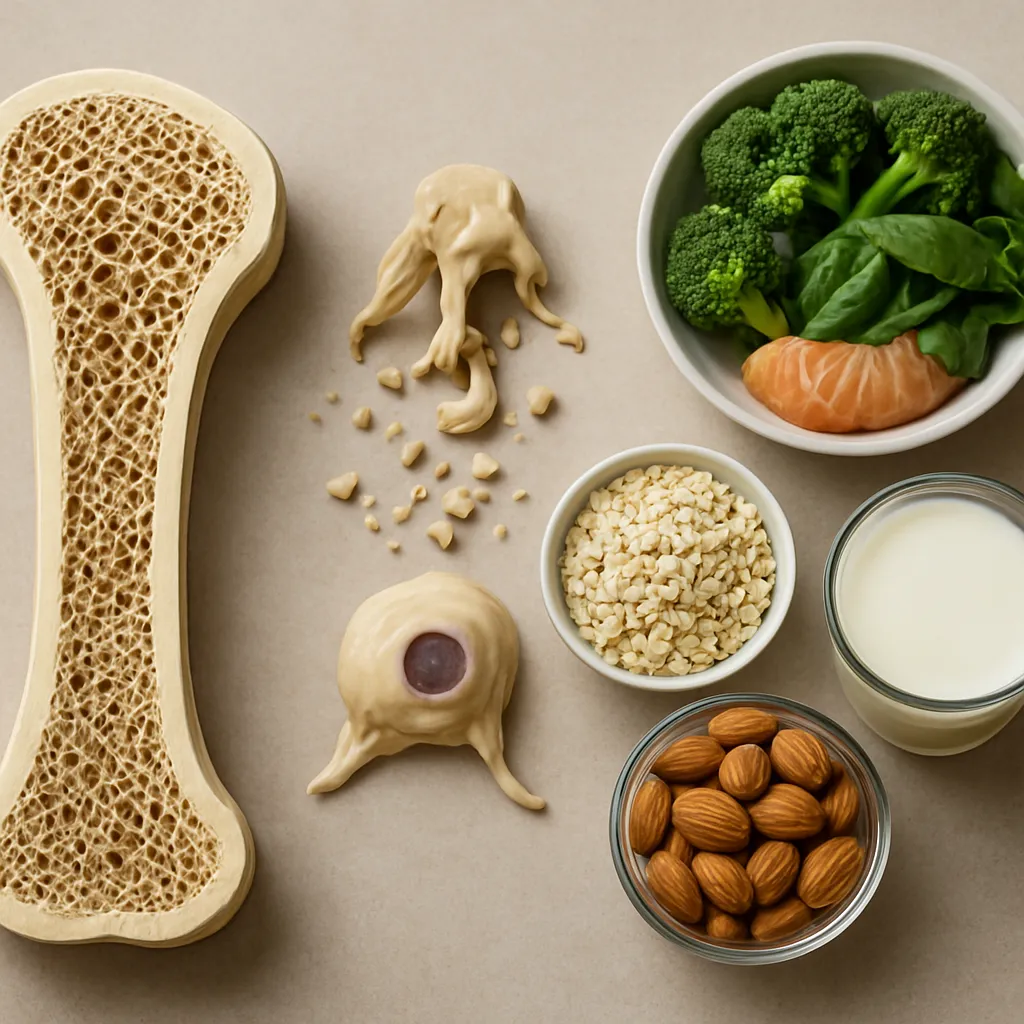






The process of bone remodeling is a dynamic, lifelong interplay between bone formation and resorption. During intentional or unintentional weight loss, this delicate balance may be disrupted, with consequences for skeletal integrity and overall health. Understanding the mechanisms at play, as well as practical approaches to maintain bone density and microarchitecture, is crucial for clinicians, researchers, and individuals pursuing weight management goals.
Bone Physiology and Remodeling Mechanisms
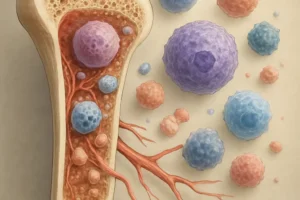
Bone tissue is not static; rather, it undergoes continuous renewal through the coupled actions of osteoclasts (bone-resorbing cells) and osteoblasts (bone-forming cells). This process, termed remodeling, serves to repair microdamage, regulate mineral homeostasis, and adapt bone structure to changing mechanical demands.
Cellular Players
- Osteoclasts: Multinucleated cells derived from monocyte/macrophage lineage that secrete acids and proteolytic enzymes to degrade mineralized matrix.
- Osteoblasts: Mesenchymal-origin cells responsible for synthesizing osteoid and facilitating mineralization through secretion of collagen type I and non-collagenous proteins.
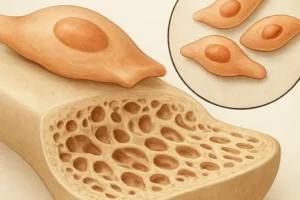
- Osteocytes: Terminally differentiated osteoblasts embedded within bone matrix; they act as mechanosensors and regulate remodeling via signaling molecules like sclerostin and RANKL.
Phases of Remodeling
- Activation: Signals trigger osteoclast precursor recruitment and differentiation.
- Resorption: Mature osteoclasts excavate a resorption pit (Howship’s lacuna).
- Reversal: Mononuclear cells prepare the resorbed surface for new bone deposition.
- Formation: Osteoblasts fill the pit with osteoid, which subsequently mineralizes.
Optimal remodeling maintains bone strength and microarchitecture. Disruption—such as excessive resorption or inadequate formation—can lead to bone loss, reduced mechanical competence, and increased fracture risk.
Impact of Weight Loss on Bone Metabolism
Weight loss, whether through caloric restriction, bariatric surgery, or intense exercise regimens, often correlates with reductions in bone mineral density (BMD). Several interrelated factors contribute to this phenomenon.
Mechanical Unloading
Bone responds to mechanical forces according to Wolff’s law. Reduced body weight diminishes skeletal loading, leading to decreased mechanical stimulation of osteocytes. This downregulates formation and upregulates resorption, resulting in net bone loss, particularly at weight-bearing sites such as the hip and lumbar spine.
Hormonal Shifts
Weight loss triggers changes in endocrine axes:
- Leptin and Adiponectin: Altered adipokine profiles modulate osteoblast activity and marrow adiposity.
- Estrogen and Testosterone: Reductions in fat mass can decrease peripheral sex hormone conversion, impairing bone formation and increasing resorption.
- Cortisol: Energy restriction may elevate cortisol, promoting osteoclastogenesis and matrix degradation.
- Growth Hormone/IGF-1: Caloric deficits can lower IGF-1 levels, diminishing anabolic signaling to osteoblasts.
Nutritional and Hormonal Influences
Appropriate nutrition and hormonal milieu are cornerstones of skeletal maintenance during weight loss. Deficiencies or imbalances can exacerbate remodeling dysregulation.
Calcium and Vitamin D
- Calcium: Adequate intake (1,000–1,200 mg/day) supports mineralization. Low dietary calcium triggers secondary hyperparathyroidism, accelerating resorption.
- Vitamin D: Facilitates intestinal calcium absorption. Levels <30 ng/mL are associated with compromised bone health and increased fall risk due to muscle weakness.
Supplementation strategies should be individualized based on serum markers and dietary assessments. Co-administration of calcium and vitamin D may attenuate bone loss during caloric restriction.
Protein and Macronutrients
- Protein: Supplies amino acids for collagen matrix synthesis. Intake of 1.0–1.2 g/kg body weight/day is recommended during weight loss to preserve lean mass and bone health.
- Fatty Acids: Omega-3 polyunsaturated fatty acids exhibit anti-inflammatory properties and may favor osteoblast differentiation.
- Carbohydrates: Low-glycemic-load diets mitigate insulin and cortisol fluctuations, indirectly supporting bone metabolism.
Balancing macronutrient composition optimizes hormonal responses and provides substrates for bone remodeling. Nutrition planning should integrate caloric goals with micronutrient sufficiency.
Clinical Implications and Preventive Strategies
Healthcare providers must weigh the skeletal consequences of weight loss against metabolic benefits. A multidisciplinary approach can minimize bone compromise while achieving desired body composition outcomes.
Monitoring and Assessment
- Bone Mineral Density (DXA): Baseline and follow-up scans quantify changes in BMD at critical sites.
- Biochemical Markers: Serum C-terminal telopeptide (CTX) and procollagen type 1 N-terminal propeptide (P1NP) reflect resorption and formation rates, respectively.
- Hormone Panels: Evaluate levels of estradiol, testosterone, cortisol, IGF-1, and 25(OH)D to identify hormonal insufficiencies.
Exercise Interventions
Physical activity should combine weight-bearing, resistance, and balance training:
- Resistance Exercises: Stimulate osteoblast activity and enhance muscle mass, counteracting sarcopenia and bone loss.
- High-Impact Loading: Jumping or hopping exercises transiently increase skeletal strain, fostering site-specific bone accrual.
- Balance Training: Reduces fall risk, crucial for fracture prevention in populations with diminished BMD.
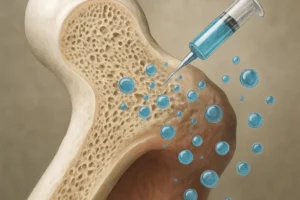
Pharmacological and Supplementation Approaches
In individuals at high fracture risk or with significant BMD reduction, pharmacotherapy may be indicated:
- Bisphosphonates: Inhibit osteoclast-mediated resorption.
- Denosumab: Monoclonal antibody against RANKL, reducing osteoclast formation.
- Selective Estrogen Receptor Modulators (SERMs): Mimic estrogen’s protective effects on bone without some systemic risks.
- Hormone Replacement Therapy: In postmenopausal women with low estrogen levels.
Supplementary calcium, vitamin D, and possibly vitamin K2 can be adjuncts to solidify the bone matrix and minimize remodeling imbalance.
Future Directions in Research
Emerging studies on adipokines, gut microbiota modulations, and genetic predispositions hold promise for targeted interventions. Personalized medicine, leveraging biomarkers and advanced imaging, may soon enable precise strategies for preserving skeletal integrity during weight reduction. Continuous collaboration between endocrinologists, nutritionists, exercise physiologists, and orthopedic specialists will drive innovations that safeguard bone health in the context of obesity management and beyond.