



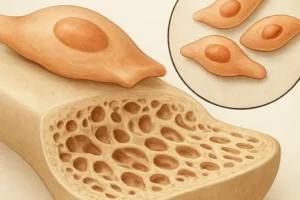


Bone health depends on a delicate balance between formation and degradation. Chronic inflammatory conditions can tip this balance, intensifying bone resorption and risking structural integrity. Understanding the interplay between inflammatory signals and bone degradation offers insights for innovative therapeutic strategies to combat disorders like rheumatoid arthritis and osteoporosis.
Mechanisms of Inflammation-Induced Bone Loss
Inflammation triggers a cascade of molecular events that culminate in elevated osteoclast activity. Under normal physiology, bone remodeling is coordinated by osteoblasts (bone-forming cells) and osteoclasts (bone-resorbing cells). However, persistent inflammatory stimuli disrupt this harmony, enhancing osteoclastogenesis and suppressing osteoblast function.
Pro-Inflammatory Cytokines and RANKL Signaling
Key mediators such as interleukin-1 (IL-1), interleukin-6 (IL-6), and tumor necrosis factor-alpha (TNF-α) promote the expression of the receptor activator of nuclear factor kappa-B ligand (RANKL) on osteoblasts and stromal cells. RANKL binds to its receptor RANK on osteoclast precursors, activating the NF-κB pathway and driving differentiation into mature, bone-resorbing osteoclasts. Simultaneously, the decoy receptor osteoprotegerin (OPG) is downregulated, further tipping the scale toward bone degradation.
- IL-1: Stimulates RANKL expression and osteoclast precursor proliferation.
- IL-6: Amplifies RANKL signaling and enhances osteoclast survival.
- TNF-α: Directly recruits immune cells and synergizes with RANKL to boost resorption.
- Interferon-gamma (IFN-γ): Exhibits complex roles, sometimes inhibiting early osteoclastogenesis but promoting bone loss chronically.
Oxidative Stress and Matrix Degradation
Inflammatory cells release reactive oxygen species (ROS), which potentiate osteoclast activity and degrade collagenous bone matrix. Matrix metalloproteinases (MMPs) are also upregulated, fragmenting the organic scaffold and facilitating further resorption. This synergy of ROS and MMPs accelerates microarchitectural damage, compromising bone strength.
Key Cellular and Molecular Players
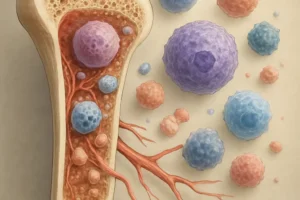
The bone microenvironment is a dynamic hub where immune cells, stromal cells, and bone-lineage cells interact through complex signaling pathways. During inflammatory states, shifts in cellular populations and mediators drive pathological bone loss.
Osteoblasts and Stromal Cells
Osteoblasts normally secrete OPG to neutralize RANKL. Under inflammatory stress, however, they reduce OPG production and increase RANKL expression. Stromal cells similarly adopt a pro-resorptive phenotype. This dual role reinforces osteoclast activation and undermines bone formation.
Immune Cell Contributions
Immune cells constitute a central source of both inflammatory mediators and RANKL itself. T helper 17 (Th17) cells secrete IL-17, a potent inducer of RANKL on osteoblasts and synovial fibroblasts. Macrophages polarize toward an M1 phenotype, secreting TNF-α and IL-1β, sustaining a pro-resorptive milieu. Neutrophils, abundant in acute inflammation, release proteases and oxidative agents that initiate localized bone erosion.
Signaling Pathways Governing Osteoclastogenesis
Multiple interconnected pathways regulate osteoclast differentiation:
- RANK/RANKL/OPG axis: Central rheostat of osteoclast activity.
- NF-κB pathway: Transduces RANKL signals to the osteoclast nucleus, promoting gene expression for resorption.
- Mitogen-activated protein kinases (MAPKs): Facilitate precursor proliferation and differentiation.
- Wnt signaling: Normally supports osteoblastogenesis; inflammation suppresses Wnt ligands, impairing bone formation.
Clinical Implications and Therapeutic Strategies
Pathological bone resorption underlies several musculoskeletal disorders. Recognizing the inflammatory mechanisms at play enables targeted interventions to preserve skeletal integrity.
Examples of Inflammatory Bone Diseases
- Rheumatoid arthritis: Synovial inflammation drives periarticular bone erosions.
- Periodontitis: Bacterial biofilms provoke gingival inflammation and alveolar bone loss.
- Osteoporosis: Low-grade systemic inflammation contributes to age-related bone thinning.
Current and Emerging Treatments
Modern therapies aim to neutralize key inflammatory mediators or inhibit osteoclast formation:
- Anti-TNF agents (e.g., etanercept, infliximab): Reduce systemic cytokine burden and slow bone erosion.
- IL-6 receptor blockers (e.g., tocilizumab): Diminish RANKL induction and attenuate osteoclastogenesis.
- Denosumab: A monoclonal antibody targeting RANKL, directly preventing osteoclast activation.
- Bisphosphonates: Bind bone mineral and induce osteoclast apoptosis, reducing resorption.
- Small molecule inhibitors: Target NF-κB or MAPK pathways, offering precise blockade of inflammatory signaling.
Future Directions
Gene editing and cell-based approaches hold promise for modulating the expression of RANKL, OPG, or key cytokines in situ. Harnessing mesenchymal stem cells (MSCs) engineered to overexpress OPG may provide localized protection against inflammatory bone loss. Additionally, microbiome-targeted therapies aim to rebalance gut-immune interactions, reducing systemic inflammation and its skeletal consequences.
Deciphering the complex dialogue between the immune system and bone cells reveals opportunities to halt or reverse inflammation-driven bone resorption. Integrating molecular insights with clinical practice will pave the way for personalized strategies to maintain skeletal health.