




Vitamin B12 plays an indispensable role in maintaining optimal bone strength, influencing processes from cellular differentiation to collagen formation. Emerging research highlights how adequate levels of this nutrient can modulate bone turnover and reduce fracture risk, offering promising avenues for preventive and therapeutic strategies.
Importance of Vitamin B12 in Bone Metabolism
Role in Cellular Differentiation
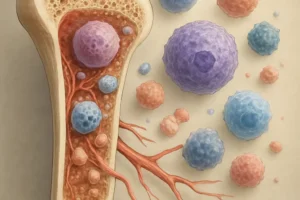
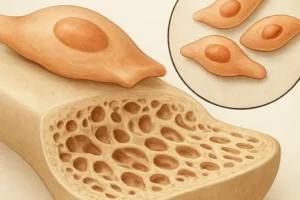
Vitamin B12 acts as a cofactor for methionine synthase, an enzyme vital for DNA synthesis and methylation. Through these pathways, it supports the proliferation and maturation of osteoblasts, the specialized cells responsible for new bone formation. Inadequate B12 levels can impair cellular division, leading to decreased bone matrix production and compromised skeletal integrity.
Impact on Bone Turnover Balance
Bone remodeling depends on a delicate equilibrium between bone resorption by osteoclasts and bone formation by osteoblasts. Vitamin B12 deficiency often leads to elevated plasma homocysteine, an amino acid that interferes with osteoblastic activity and stimulates osteoclastic bone resorption. This shift can reduce overall bone mineral density (BMD), increasing susceptibility to fractures and long-term skeletal fragility.
Biochemical Mechanisms Underpinning Bone Health
Methionine Cycle and Homocysteine Regulation
Within the methionine cycle, vitamin B12 facilitates the remethylation of homocysteine to methionine. Elevated homocysteine not only induces oxidative stress but also disrupts collagen cross-links, weakening the bone matrix. By ensuring efficient homocysteine clearance, vitamin B12 contributes to a structurally sound collagen network, vital for resisting mechanical stress.
Collagen Synthesis and Cross-Linking
Collagen type I constitutes the main organic component of bone, providing tensile strength and flexibility. Vitamin B12 deficiency can impair hydroxylation and cross-link formation in collagen fibrils, leading to fragile matrix assembly. Adequate B12 status promotes proper collagen maturation, reinforcing microarchitecture and enhancing resistance to microfractures.
Dietary Sources, Absorption, and Risk Factors
Dietary Sources and Bioavailability
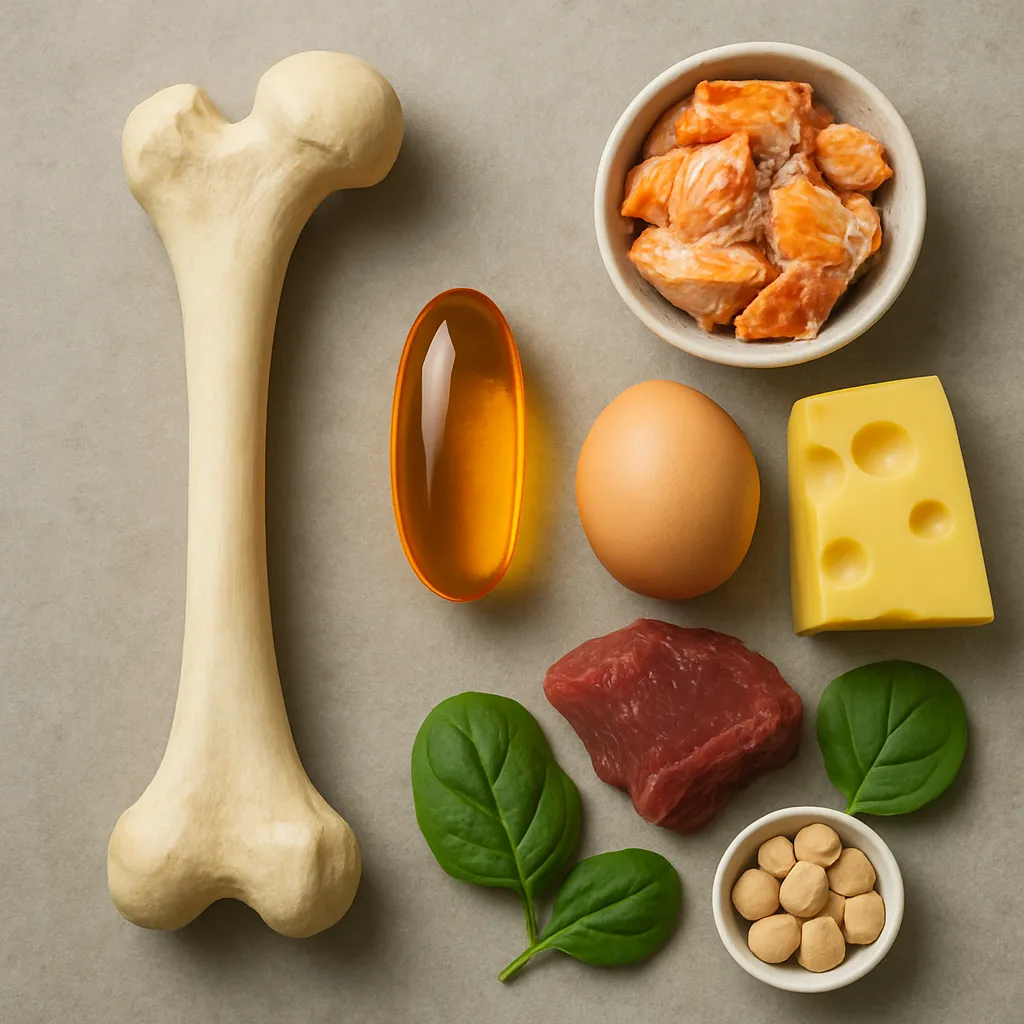
- Animal products: beef liver, clams, salmon, yogurt
- Fortified foods: cereals, plant-based milk alternatives
- Supplements: oral tablets, sublingual forms, intramuscular injections
Bioavailability varies by source; animal-derived B12 is typically more readily absorbed than fortified analogs. Gastrointestinal health and concurrent nutrient intake can influence overall absorption efficiency.
Absorption Pathway and the Role of Intrinsic Factor
Vitamin B12 absorption involves release from dietary proteins in the stomach, binding to intrinsic factor (IF) secreted by parietal cells, and uptake in the terminal ileum. Conditions such as atrophic gastritis, pernicious anemia, or surgical resection of gastric tissues disrupt IF production, leading to malabsorption. Monitoring IF antibodies and serum B12 levels is essential for early detection of malabsorptive states.
Clinical Implications and Therapeutic Strategies
Vitamin B12 Deficiency and Bone Disorders
Chronic B12 deficiency is linked to osteopenia, osteoporosis, and increased risk of hip and vertebral fractures. Studies demonstrate that low serum B12 correlates with reduced BMD, particularly in postmenopausal women and the elderly. Neurological symptoms, including peripheral neuropathy, may exacerbate fall risk, indirectly contributing to fracture incidence.
Supplementation Guidelines and Future Research
Current recommendations for adults suggest a daily intake of 2.4 µg of vitamin B12, with higher doses indicated for pregnant and lactating women. In cases of malabsorption, intramuscular injections of 1,000 µg monthly can rapidly restore serum levels. Emerging trials are investigating synergistic effects of B12 with vitamin D and calcium supplementation on bone turnover markers. Future research should explore genetic polymorphisms in B12 transporters and their impact on personalized dosing strategies.
Preventive Measures and Innovative Directions
Screening and Early Intervention
Routine screening for vitamin B12 status in high-risk populations—such as vegetarians, the elderly, and individuals with gastrointestinal disorders—allows for timely intervention. Incorporating B12 assays into annual bone health evaluations can identify subclinical deficiencies before skeletal effects manifest.
Integrative Nutritional Approaches
An integrative approach combining B12-rich diets, lifestyle modifications like weight-bearing exercise, and monitoring of bone turnover biomarkers can optimize skeletal resilience. Investigational therapies, including B12-conjugated osteoanabolic agents, hold promise for targeted bone regeneration.