



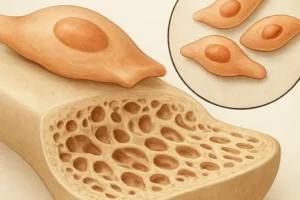


The intricate dialogue between the nervous system and the skeletal network reveals how neural signals guide bone remodeling, repair, and growth. Emerging studies demonstrate that neuronal pathways not only regulate nutrient delivery and mechanical feedback but also orchestrate the behavior of bone-resident cells. By examining the molecular crosstalk, we gain insight into potential therapeutic targets for osteoporosis, fracture healing, and regenerative medicine. This exploration highlights the indispensable role of neuro-skeletal communication in maintaining structural integrity and adaptive capacity throughout life.
Neural Regulation of Bone Homeostasis
Bone is a dynamic tissue constantly reshaped by the interplay of formation and resorption. This equilibrium depends on osteoblast-mediated deposition and osteoclast-driven degradation. The central and peripheral nervous systems modulate this balance through both direct innervation and humoral pathways. Sensory nerve fibers penetrate periosteal layers, conveying mechanical cues via mechanoreceptors that trigger adaptive responses in underlying osteogenic cells. Concurrently, autonomic fibers—comprising sympathetic and parasympathetic branches—release neurochemicals that fine-tune cellular activity and vascular tone within the bone microenvironment.
Peripheral nerves release a variety of signaling molecules, including catecholamines and neuropeptides, that bind to receptors on bone cells. For instance, sympathetic outflow through β-adrenergic receptors can inhibit osteoblast proliferation, whereas parasympathetic cholinergic signals appear to enhance bone formation. This dual regulation underscores an intricate feedback loop: mechanical loading stimulates neural circuits that adjust bone density, while skeletal deformities modulate nerve excitability, completing a bidirectional communication network.
Cellular Mechanisms Underpinning Neuro-Skeletal Interactions
Osteogenic Lineage and Neural Influence
At the cellular core, multipotent mesenchymal stem cells differentiate into osteoblasts under the influence of growth factors and neural mediators. Neurotransmitters released by adjacent nerve endings bind to specific receptors on progenitor cells, guiding their fate toward bone-forming phenotypes. For example, substance P and calcitonin gene-related peptide (CGRP) promote osteoblast survival and matrix synthesis, while certain glutamatergic signals can modulate alkaline phosphatase activity.
Osteoclastogenesis and Neural Inputs
Conversely, the differentiation of monocyte-lineage cells into bone-resorbing osteoclasts is also subject to neural regulation. Proinflammatory neuropeptides can upregulate RANKL expression on stromal cells, accelerating osteoclast maturation. Meanwhile, vagal acetylcholine release may exert an antiresorptive effect by dampening cytokine production, thereby restraining excessive bone loss in inflammatory conditions.
- Neural-glial units in bone marrow secrete trophic factors for osteoprogenitors
- Schwann cells interact with osteocytes to influence lacunar network remodeling
- Sensory axons detect microfractures and signal macrophages for initial debris clearance
Key Neurotransmitters and Modulators
The skeletal system responds to a diverse array of chemical messengers originating from neural sources. Understanding these compounds unravels novel avenues for enhancing bone health.
Catecholamines
Epinephrine and norepinephrine engage β-adrenergic receptors on osteoblasts, typically inhibiting bone formation. Pharmacological blockade of this pathway has shown promising results in preclinical models of osteoporosis, indicating potential off-label use of β-blockers for skeletal strengthening.
Neuropeptides
Neuropeptides such as CGRP, substance P, and neurotensin exert anabolic effects by promoting osteoblast differentiation and matrix deposition. These mediators modulate intracellular calcium signaling, activating transcription factors like Runx2 and Osterix. Harnessing synthetic analogs of these substances may accelerate fracture healing and improve biomaterial integration.
Classical Neurotransmitters
Glutamate and γ-aminobutyric acid (GABA) have been detected in bone cells, suggesting autocrine and paracrine loops. While glutamatergic activation can facilitate osteogenic gene expression, GABAergic signaling may act as a brake on excessive bone turnover. Further elucidation of these pathways could inform the design of novel neuromodulatory agents.
Neurotrophic Factors
Proteins like nerve growth factor (NGF) and brain-derived neurotrophic factor (BDNF) support both neuronal survival and osteoprogenitor function. Their dual role offers a unique therapeutic window: by enhancing neural support of bone, one can achieve synergistic benefits in neurodegenerative and skeletal disorders simultaneously.
Clinical Implications and Therapeutic Strategies
Translating neuro-skeletal insights into practice offers innovative solutions for bone diseases. Emerging therapies focus on targeted modulation of neural pathways to optimize skeletal repair.
- Electrical Stimulation: Low-intensity pulsed currents applied to fracture sites promote nerve sprouting and osteogenesis.
- Pharmacological Agents: β-blockers, neuropeptide analogs, and cholinergic agonists are under investigation for their bone-protective profiles.
- Rehabilitative Protocols: Tailored loading regimens that engage sensory feedback loops enhance adaptive remodeling via neural mediation.
- Biomaterial Scaffolds: Incorporating neurotrophic factors into implants fosters coordinated bone and nerve regeneration, improving integration and functional recovery.
In conditions such as osteoporosis, diabetic neuropathy, and spinal cord injury, dysregulated nerve-bone interactions exacerbate skeletal fragility. Addressing neural deficits through stem cell therapies or gene editing of neuronal receptors holds promise for restoring bone integrity in complex clinical scenarios. Ongoing trials aim to refine dosage, delivery methods, and safety profiles of neuro-active compounds to ensure maximal osteoanabolic effects with minimal off-target consequences.