



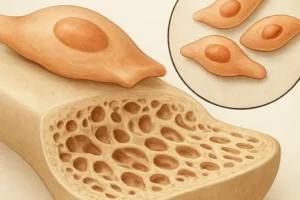


Chronic fatigue exerts a profound influence on the skeleton by altering the delicate balance of bone remodeling. When the body’s energy resources are depleted, multiple pathways converge to undermine skeletal health. This article explores the mechanisms by which persistent exhaustion interferes with bone metabolism, examines cellular players in remodeling, reviews hormonal and immune modulators, and outlines potential strategies to protect bone integrity in affected individuals.
Pathophysiological Mechanisms Linking Fatigue to Bone Remodeling
At its core, the skeleton relies on a tightly regulated interplay between bone formation and resorption. Osteoblasts build new matrix, while osteoclasts remove aged or damaged tissue. In states of sustained tiredness, an energy deficit triggers systemic responses that shift this balance toward net bone loss. Key drivers include:
- Activation of stress-response pathways via the hypothalamic-pituitary-adrenal axis, leading to elevated cortisol levels.
- Upregulation of inflammatory mediators such as interleukins and tumor necrosis factor-alpha.
- Suppression of insulin-like growth factor 1 (IGF-1), which normally promotes osteoblast differentiation.
These factors collectively impair new matrix synthesis and accelerate resorptive activity, setting the stage for diminished bone density and structural weakness over time.
Cellular and Molecular Responses to Chronic Exhaustion
On a cellular level, persistent fatigue fosters an environment rich in pro-resorptive signals. Elevated glucocorticoids induce apoptosis in osteoblast precursors and prolong the lifespan of mature osteoclasts. Meanwhile, oxidative stress damages mitochondrial function in bone-forming cells. Specific alterations include:
- Increased secretion of RANKL (Receptor Activator of Nuclear Factor κB Ligand), driving osteoclastogenesis.
- Oxidative damage to DNA in osteoblast lineage cells, reducing replicative capacity.
- Altered Wnt/β-catenin signaling, a pathway essential for osteoblast proliferation and differentiation.
Moreover, chronic tiredness skews the bone marrow microenvironment toward adipocyte accumulation at the expense of osteogenic progenitors. This fatty infiltration further compromises the skeleton’s ability to regenerate robust tissue.
Role of Immunoendocrine Mediators
The interplay between the immune system and endocrine networks is pivotal in fatigue-induced bone alterations. Elevated cytokines, including IL-1β, IL-6, and TNF-α, create a pro-inflammatory milieu that intensifies resorption. At the same time, fatigue-associated hormonal imbalance manifests as:
- Reduced estrogen or testosterone levels, both critical for bone maintenance.
- Disrupted leptin and adiponectin signaling, linking energy homeostasis to skeletal health.
- Altered thyroid hormone profiles, which may either hyperactivate resorption or impair formation depending on the subtype.
These immune and hormonal shifts synergize to amplify catabolic processes, eroding trabecular and cortical architecture. Animal models of fatigue demonstrate elevated NF-κB activation within bone tissue, confirming the central role of inflammatory transcription factors in this context.
Clinical Consequences and Risk Factors
Patients suffering from prolonged exhaustion often report symptoms beyond mere tiredness, including musculoskeletal pain, recurrent fractures, and reduced mobility. Epidemiological studies reveal that individuals with chronic fatigue syndromes have a higher prevalence of:
- Osteoporosis and low-impact fracture incidence.
- Delayed bone healing following traumatic injury.
- Vertebral compression fractures, especially in postmenopausal women experiencing coexisting hormonal decline.
Risk factors that amplify skeletal vulnerability include preexisting nutrient deficiencies (calcium, vitamin D), sedentary lifestyle due to fatigue, and concurrent use of medications such as glucocorticoids or anticonvulsants. Recognition of these modifiers is essential for early intervention and fracture prevention.
Diagnostic Assessment of Bone Health in Fatigued Patients
A thorough evaluation should combine clinical, biochemical, and imaging approaches to gauge bone integrity accurately. Recommended assessments involve:
- Dual-energy X-ray absorptiometry (DXA) scans to quantify bone density at key sites (lumbar spine, hip).
- Serum markers: elevated C-terminal telopeptide (CTX) indicates high resorption, whereas reduced procollagen type 1 N-terminal propeptide (P1NP) signals low formation.
- Assessment of cortisol and inflammatory cytokine levels to identify contributory endocrine or immune dysregulation.
Early detection of skeletal compromise allows for prompt therapeutic planning, mitigating long-term disability in fatigued populations.
Strategies for Preserving Skeletal Integrity
Interventions aimed at counteracting fatigue-related bone loss should target both systemic and local factors. Tailored approaches include:
- Optimized nutrition: Adequate intake of calcium, vitamin D, and protein supports osteoblast function.
- Structured exercise programs emphasizing weight-bearing and resistance training to stimulate bone formation.
- Pharmacologic agents such as bisphosphonates or selective estrogen receptor modulators (SERMs) in high-risk individuals.
- Anti-inflammatory therapies, including targeted cytokine inhibitors in severe inflammatory profiles.
- Stress management techniques—mindfulness, cognitive behavioral therapy—to modulate the HPA axis and reduce cortisol overload.
Combining lifestyle modification with medical treatments yields the greatest benefit, preserving skeletal resilience even when chronic fatigue persists.
Future Directions and Research Opportunities
Emerging research focuses on uncovering novel mediators that link energy homeostasis to bone turnover. Potential areas of interest include:
- Role of gut-derived metabolites and the microbiome in modulating bone health under energy-restricted states.
- Development of osteoanabolic agents that bypass the suppressive effects of fatigue-induced cytokines on osteoblasts.
- Gene therapy approaches targeting Wnt signaling components to enhance skeletal regeneration.
Investigation into these innovative strategies may unlock new avenues for restoring skeletal strength in patients challenged by persistent exhaustion.