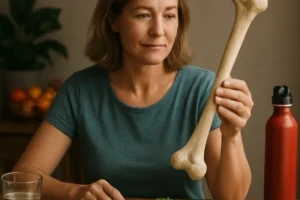

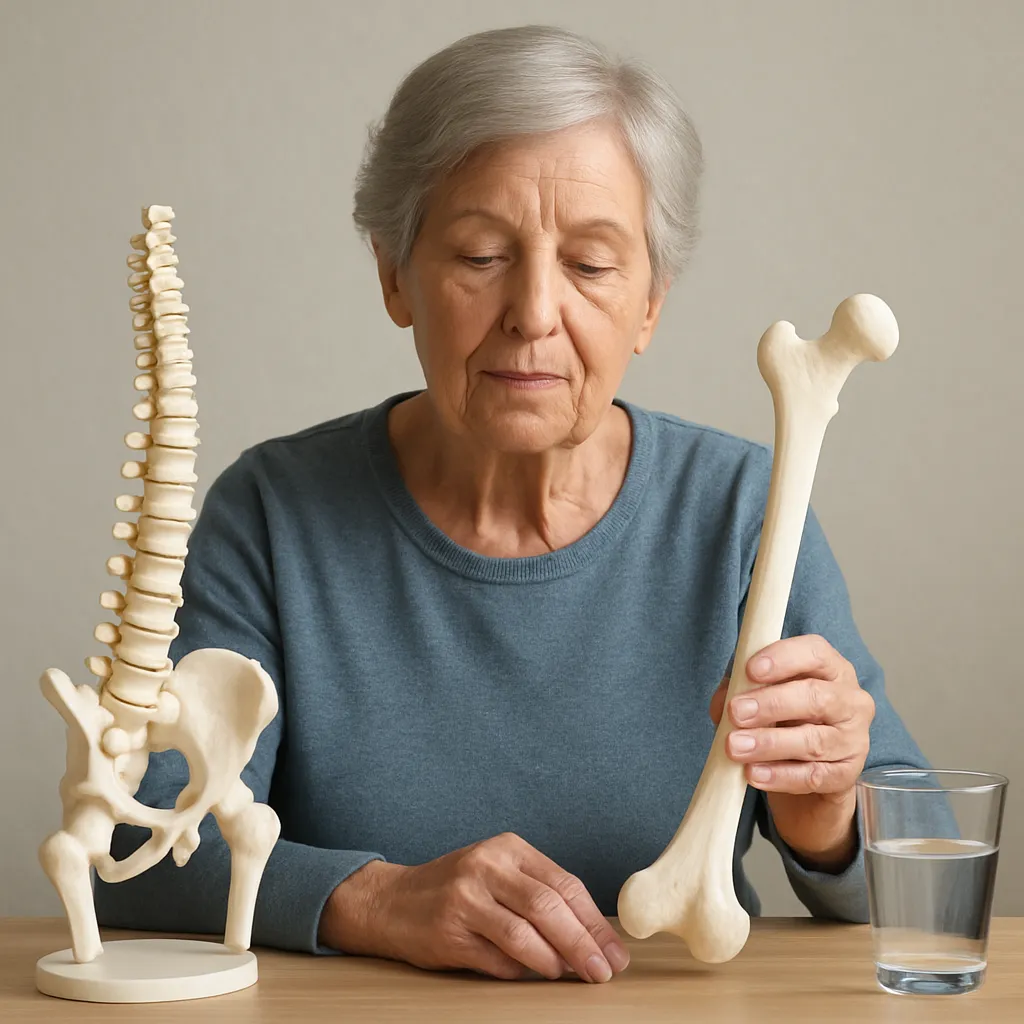
As individuals age, maintaining bone integrity becomes increasingly critical to preserve mobility and quality of life. Aging bones are prone to microarchitectural deterioration, leading to reduced bone density and heightened risk of fractures. This article explores evidence-based strategies to support skeletal health in the elderly, focusing on nutrition, exercise, medical assessment, and lifestyle adjustments.
Nutrition Strategies for Maintaining Bone Strength
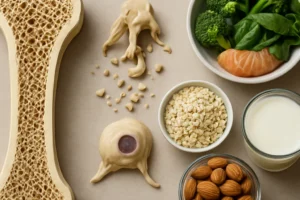
Proper diet is a cornerstone of bone health. Ensuring adequate intake of key nutrients helps the body sustain mineralization and matrix integrity.
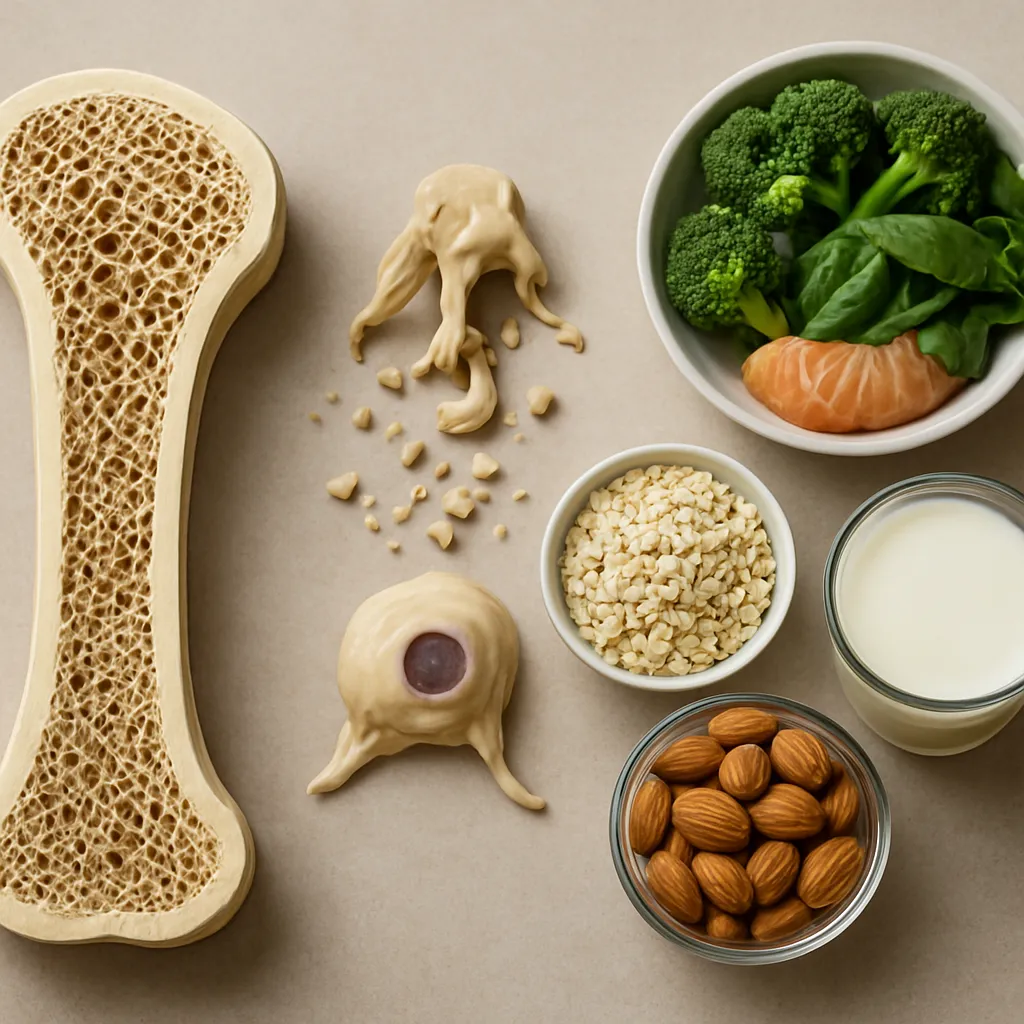
- Calcium: Adults over 65 should aim for 1,200 mg daily through dairy products, leafy greens, or fortified alternatives.
- Vitamin D: Critical for calcium absorption, with recommended levels of 800–1,000 IU per day via sunlight exposure or supplements.
- High-quality protein: Supports collagen synthesis; lean meats, legumes, and dairy help maintain bone matrix and muscle mass.
- Micronutrients: Magnesium, vitamin K, and phosphorus synergize in bone remodeling; include nuts, whole grains, and fermented vegetables.
- Omega-3 fatty acids: Anti-inflammatory effects may reduce bone resorption; found in fatty fish, flaxseed, and walnuts.
Meal planning should balance these elements, reducing high-sodium and processed food intake that can leach calcium. Regular monitoring of serum 25(OH)D levels guides supplementation needs.
Exercise and Physical Activity for Bone Density
Mechanical loading stimulates osteoblast activity through the principles of Bone Mineral Density (BMD) adaptation. A tailored exercise program can slow age-related bone loss and improve functional capacity.
Weight-bearing and Impact Activities
- Brisk walking or jogging for 20–30 minutes, 3–5 times weekly
- Low-impact aerobics and stair climbing to induce ground reaction forces
Resistance Training
- Use of free weights or resistance bands targeting major muscle groups
- Progressive overload principles: moderate intensity, 2–3 sets of 8–12 reps
- Focus on spine and hip musculature to protect common fracture sites
Balance and Flexibility
- Yoga, tai chi, and proprioceptive drills to reduce falls
- Flexibility exercises to maintain joint range of motion and proper biomechanics
Consistency is key: integrating exercise into daily routines fosters bone remodeling and helps combat sarcopenia.
Medical Assessment and Pharmacological Approaches
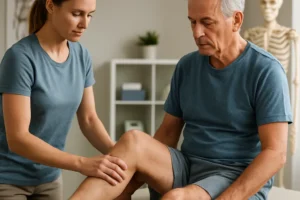
Early detection and targeted therapy are essential in combating progressive bone loss. Healthcare providers should implement systematic screening and evidence-based treatments.
Screening and Diagnostics
- Dual-energy X-ray absorptiometry (DEXA) scans for quantifying bone density at lumbar spine and hip
- Fracture risk assessment tool (FRAX) to estimate 10-year fracture probability
- Laboratory tests: serum calcium, vitamin D, parathyroid hormone, and renal function
Pharmacotherapy
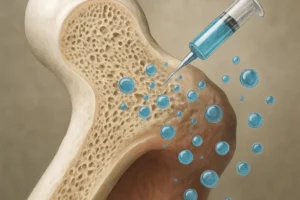
- Bisphosphonates (e.g., alendronate, risedronate) to inhibit osteoclast-mediated bone resorption
- Selective estrogen receptor modulators for postmenopausal women to mimic estrogen’s protective effects
- Parathyroid hormone analogs (teriparatide) to stimulate bone formation in severe osteoporosis
- Monoclonal antibodies (denosumab) targeting RANKL to reduce osteoclast activity
- Hormonal therapy considerations: balancing benefits against cardiovascular and cancer risks
Individualized treatment plans should be reassessed periodically to monitor efficacy and adjust therapy based on response and side effects.
Lifestyle Modifications and Fall Prevention
Fracture risk is not solely determined by bone quality; extrinsic factors play a critical role. Adapting the environment and personal habits can dramatically lower incidence of falls.
Home Safety
- Install grab bars in bathrooms and railings on staircases
- Ensure adequate lighting and remove tripping hazards (loose rugs, clutter)
- Use non-slip mats and secure electrical cords against walls
Vision and Footwear
- Regular eye exams to correct visual impairments
- Supportive, well-fitting shoes with non-skid soles
Assistive Devices
- Canes, walkers, or rollators to improve stability
- Adaptive equipment for daily tasks (reacher tools, shower seats)
Education on safe movement techniques, such as rising slowly from a seated position and using proper lifting mechanics, enhances independence and reduces injury risk. By combining nutritional support, physical conditioning, medical interventions, and environmental adjustments, elderly individuals can maintain stronger bones and greater autonomy throughout aging.