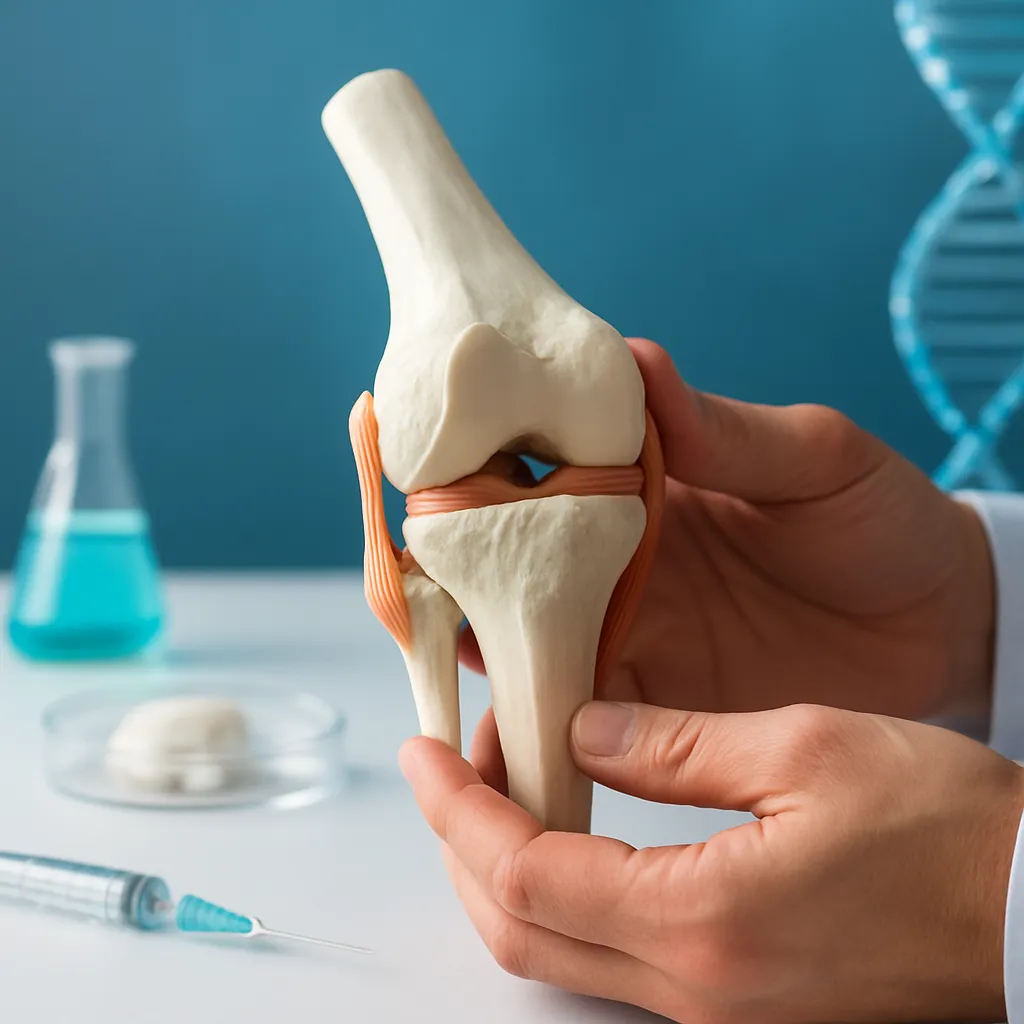






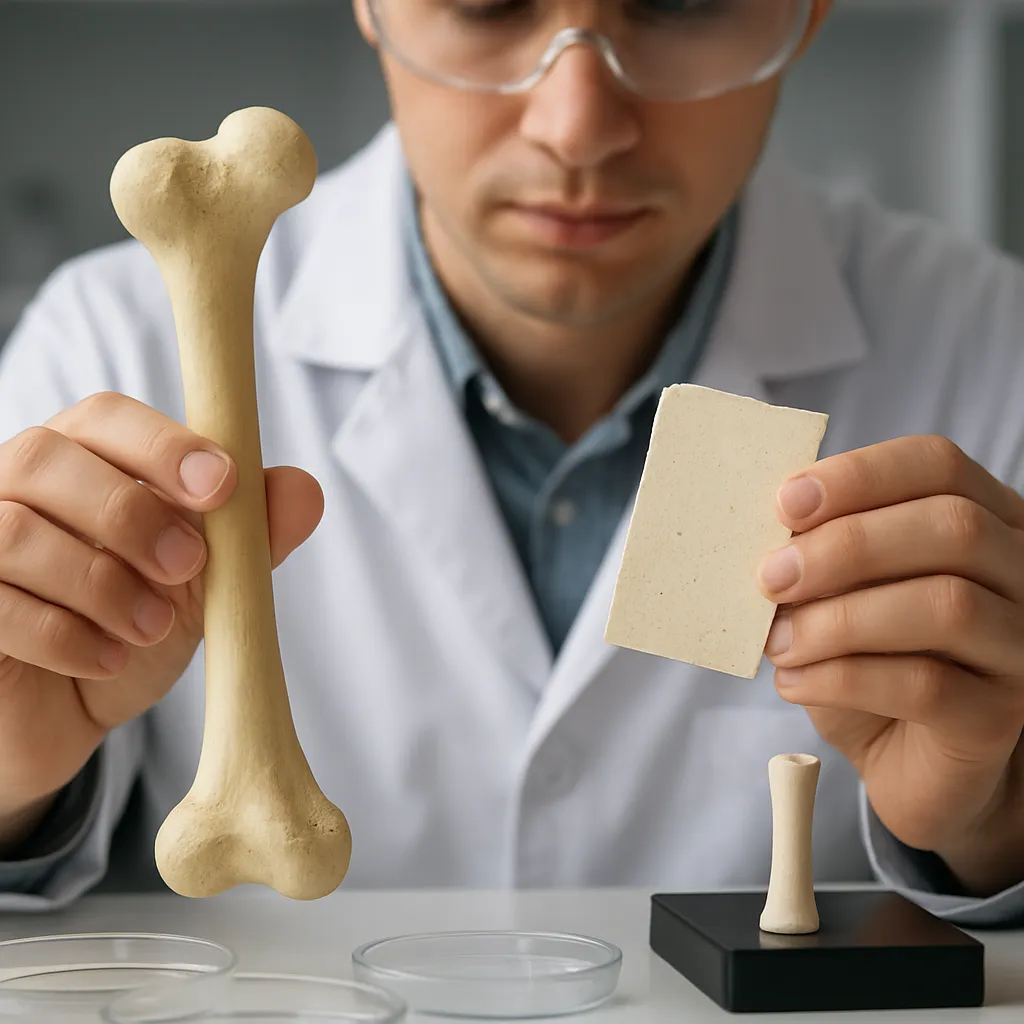
The search for **advanced** solutions in bone prosthetics has accelerated as researchers seek materials that offer superior **durability**, **biocompatibility**, and **osteointegration**. This article delves into the latest **innovations** in material science, the rigorous testing protocols that ensure patient safety, and the potential clinical applications that could transform orthopedic medicine. Through a multidisciplinary lens, we explore how **nanotechnology**, composite formulations, and novel biomaterials are reshaping the future of implant design.
Material Science Advances
Material Composition and Structure
Understanding the microstructure of prospective implant materials is crucial. Traditional **titanium alloys** remain popular for their high strength-to-weight ratio, but newer **polymer composites** and ceramic blends show promise in mimicking the mechanical properties of natural bone. Key components include:
- Hydroxyapatite-reinforced polymers that enhance **bioactivity** and encourage cell adhesion.
- Carbon nanotube hybrids engineered to improve electrical conductivity and promote osteoblast proliferation.
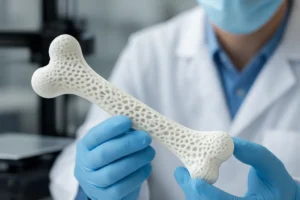
Advanced manufacturing techniques such as **additive manufacturing** (3D printing) and **electrospinning** enable the creation of complex internal architectures with controlled **porosity**, facilitating vascularization and nutrient transport.
Nano-Engineered Surfaces
Surface modifications at the nanoscale can dramatically influence cell response. By generating patterns or coatings with nanometer precision, researchers aim to:
- Enhance protein adsorption that triggers favorable cell signaling.
- Reduce risk of bacterial colonization through antimicrobial nanoparticle integration.
- Tailor mechanical cues that direct stem cell differentiation toward osteogenic lineages.
Such **biomimetic** strategies harness nature-inspired designs to optimize the implant–tissue interface, reducing the likelihood of inflammatory complications.
Biocompatibility and Mechanical Testing
In Vitro Biological Assessments
Before clinical deployment, new materials undergo stringent **cytotoxicity** assays. Common testing protocols include:
- MTT and Live/Dead staining to evaluate cell viability in contact with material extracts.
- Gene expression analysis to monitor osteogenic markers like **Runx2** and **ALP**.
- Inflammatory cytokine profiling to detect adverse immune responses.
These tests ensure that the material does not leach harmful byproducts and supports healthy tissue integration.
Mechanical and Fatigue Testing
An implant must withstand repetitive loading cycles without degradation. Key evaluations involve:
- Compression and tensile strength tests aligned with **ISO 5835** standards.
- Fatigue life simulations that mimic walking, running, and stair-climbing stresses.
- Wear resistance assessments for articulating surfaces, minimizing particulate generation.
Data from these analyses guide iterative **design optimization**, balancing flexibility against load-bearing capacity.
Clinical Applications and Future Directions
Personalized Prosthetics
Advances in imaging and manufacturing have ushered in the era of **patient-specific** implants. By integrating CT or MRI data, surgeons can order devices that match anatomical contours precisely. Benefits include:
- Reduced intraoperative adjustment time.
- Improved load distribution and joint kinematics.
- Enhanced patient comfort and faster rehabilitation.
Coupled with **smart sensors**, future implants may monitor load patterns and biochemical markers in real time, alerting clinicians to potential issues before symptoms arise.
Regenerative Scaffold Integration
Combining **scaffold** technologies with growth factor delivery systems offers a hybrid approach to prosthetic design. These scaffolds provide a temporary matrix that degrades as new bone forms, yielding a permanent, living structure. Research highlights include:
- Controlled-release vesicles loaded with bone morphogenetic proteins (BMPs).
- Stimuli-responsive polymers that release therapeutics in response to mechanical stress.
- Multilayered constructs that mimic periosteum, cortical, and trabecular bone zones.
The synergy between structural support and **biochemical cues** could dramatically enhance regenerative outcomes after major limb reconstruction.
Regulatory and Ethical Considerations
Compliance and Approval Pathways
New prosthetic materials must navigate complex regulatory landscapes. In the United States, the FDA categorizes implants as Class II or III devices, requiring extensive preclinical data and often clinical trials. Key milestones include:
- Investigational Device Exemption (IDE) submissions demonstrating safety in animal models.
- Premarket Approval (PMA) applications with human trial endpoints on integration rates and complication incidence.
- Post-market surveillance to track long-term performance and rare adverse events.
Internationally, the CE marking process in Europe demands conformity with the Medical Devices Regulation (MDR), emphasizing traceability and risk management.
Ethical Implications of Emerging Technologies
As novel materials converge with **bioelectronics** and gene editing, ethical debates arise concerning access, equity, and enhancement. Important considerations include:
- Ensuring equitable distribution so that advanced prosthetics do not become available only to privileged populations.
- Addressing consent and privacy when implants collect physiological data.
- Balancing the line between restorative interventions and elective performance enhancements.
Ongoing dialogue among scientists, clinicians, policymakers, and patient advocates will shape responsible innovation in this dynamic field.