



The integration of cutting-edge **biodegradable** materials into bone implant technology represents a turning point in orthopedic medicine. This exploration delves into the diverse **polymer** and **metallic** scaffolds that support bone regeneration, the **cellular** responses they provoke, and the evolving landscape of **personalized medicine** in surgical repair.
Material Classes and Key Properties
Biodegradable Polymers
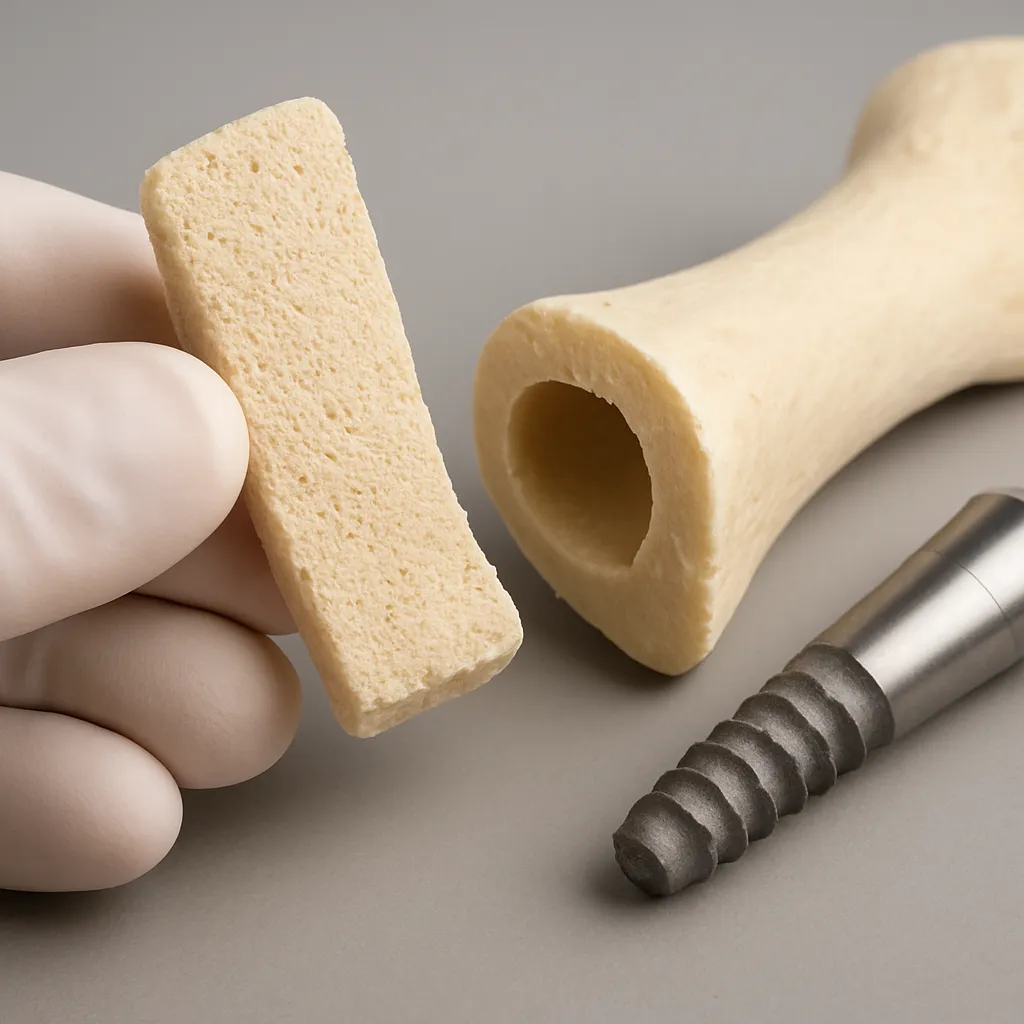
Numerous **synthetic** and natural polymers have been engineered to serve as temporary bone **scaffolds**. Among the most prevalent are:
- Polylactic acid (PLA): renowned for its tunable degradation rate and mechanical compatibility with alveolar bone.
- Polyglycolic acid (PGA): valued for rapid resorption but often blended with PLA to optimize **mechanical integrity**.
- Polycaprolactone (PCL): exhibits slower degradation, allowing extended support in weight-bearing sites.
- Collagen-based composites: derived from natural sources, they enhance **osteoconductivity** and cellular adhesion.
These polymers are prized for their controllable degradation kinetics, minimal inflammatory footprint, and the capacity to carry **bioactive** molecules.
Biodegradable Metals and Ceramics
Beyond polymers, emerging **biodegradable** metals such as magnesium alloys and iron-based materials have attracted attention. Their advantages include superior initial mechanical strength and the gradual transfer of load to the maturing bone:
- Magnesium alloys: promote **angiogenesis** and new bone formation, though corrosion rates must be carefully regulated.
- Calcium phosphate ceramics: function as **osteoconductive** frameworks, often integrated into composite meshes for enhanced toughness.
The marriage of metals and ceramics in hybrid implants aims to combine **structural support** with biologically active surfaces.
Biological Response and Degradation Mechanisms
Cellular Interactions and Tissue Remodeling
Successful bone integration relies on orchestrating the **immune response** and guiding stem cell differentiation. When a biodegradable implant is placed:
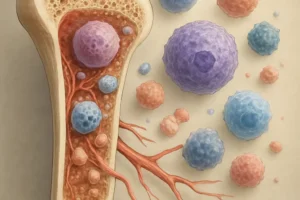
- Macrophages and osteoclast-like cells initiate controlled resorption.
- Mesenchymal stem cells attach to the surface, differentiating into osteoblasts under local growth factors.
- Neovascularization ensures nutrient delivery, facilitated by **bioactive** implant coatings.
Optimizing **biocompatibility** is critical to prevent chronic inflammation and to foster a regenerative microenvironment.
Controlled Degradation and Load Transfer
Designing implants that degrade in harmony with new bone formation is a complex engineering challenge. Key considerations include:
- Material crystallinity and molecular weight: governing resorption half-life.
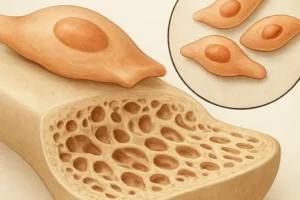
- Porosity and pore interconnectivity: crucial for cell infiltration and fluid transport.
- pH and local ion concentration: influencing hydrolysis or electrochemical corrosion rates.
The ideal implant gradually relinquishes **mechanical integrity** as the host tissue assumes load-bearing responsibilities.
Clinical Integration and Surgical Applications
Spinal Fusion and Trauma Repair
In spinal arthrodesis, **biodegradable** cages and screws have been trialed to eliminate the need for hardware removal. Advantages include reduced risk of chronic pain and long-term irritation. Acute fracture management also benefits from resorbable plates that maintain alignment during critical healing phases before disappearing entirely.
Pediatric and Craniofacial Reconstruction
Children require implants that adapt to growth. **Biocompatible** polymers like PLA/PGA blends are favored in:
- Cranial vault remodeling after trauma or congenital defects.
- Corrective osteotomies in long bones where implant removal poses surgical risk.
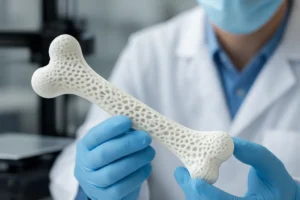
The capacity for **customization** via 3D printing ensures a tailored fit to unique anatomical geometries.
Future Directions and Regulatory Considerations
Advanced Manufacturing and Personalized Implants
Emerging fabrication techniques—such as additive manufacturing combined with patient imaging—enable the creation of implants with region-specific porosity gradients and bioactive factor gradients. This precision engineering supports:
- Enhanced **osteogenesis** through spatially controlled growth factor release.
- Optimized load distribution via lattice architectures.
- On-demand production of bespoke devices for complex bone defects.
Safety, Standards, and Market Adoption
Regulatory bodies demand rigorous preclinical and clinical data to evaluate:
- Long-term biocompatibility and degradation byproducts.
- Mechanical performance throughout the entire resorption timeline.
- Consistency in manufacturing and sterilization processes.
Harmonizing international standards will accelerate the translation of these **innovative** materials into widespread clinical use.
By merging materials science with regenerative medicine, biodegradable bone implants pave the way for next-generation orthopedic solutions that heal without a trace.