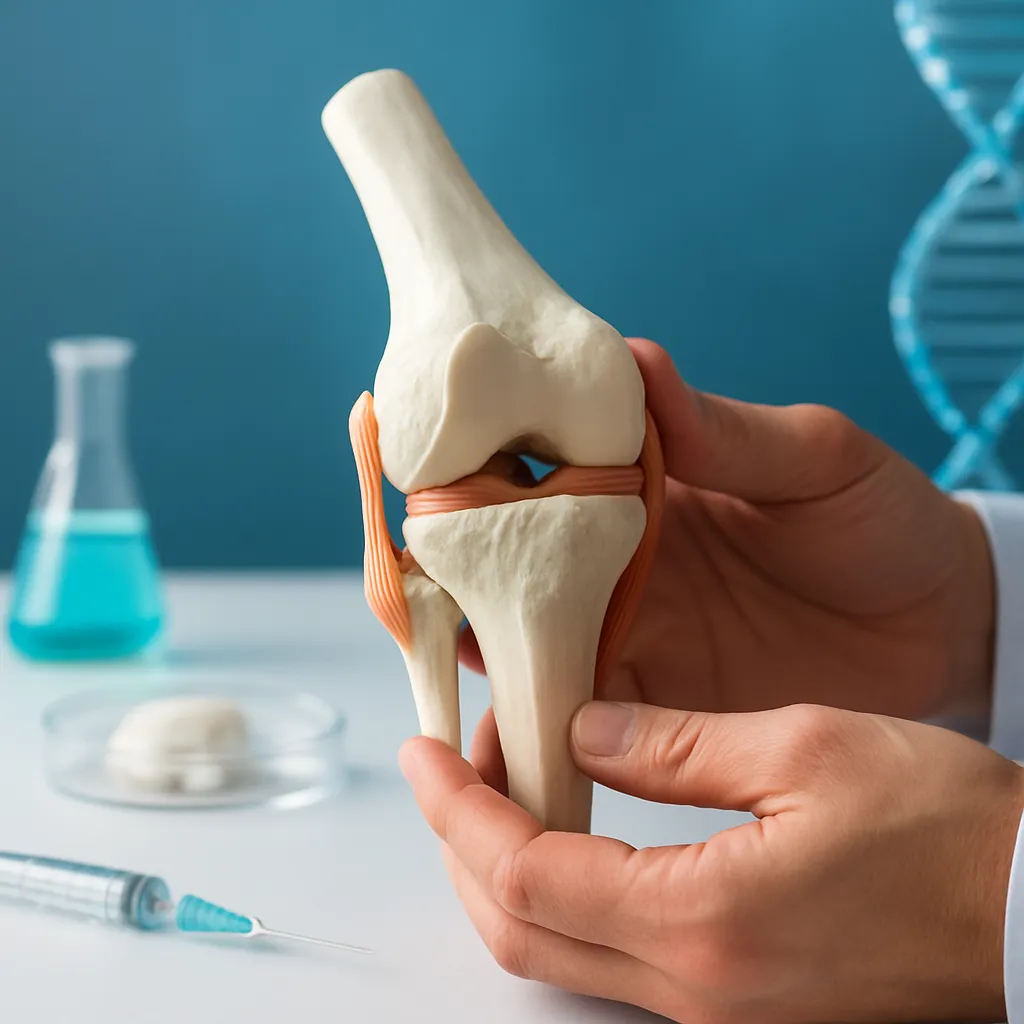






Bone Healing in Patients With Metabolic Disorders explores the intricate interplay between systemic metabolic imbalances and the local processes required for efficient bone regeneration. This article examines how conditions such as diabetes mellitus, chronic kidney disease, and endocrine dysfunctions impair the delicate balance of cellular and molecular events in bone repair. By understanding the underlying physiology, inflammation pathways, and emerging therapeutic interventions, clinicians and researchers can develop targeted strategies to optimize outcomes in this challenging patient population.
Physiology of Bone Repair Under Metabolic Stress
Bone Healing Stages
Normal bone healing follows a well-coordinated sequence of events: hematoma formation, inflammatory response, soft callus development, hard callus formation, and remodeling. Each phase depends on precise cellular activity, growth factor secretion, and adequate blood supply. Under metabolic stress, however, these stages become dysregulated, delaying or compromising the repair process.
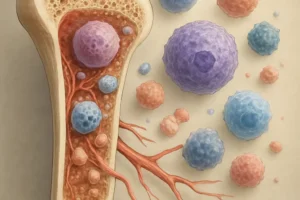
Key Cellular Players
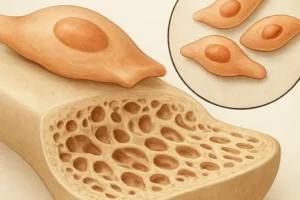
- Osteoblasts: Responsible for new bone matrix production. Their proliferation and differentiation are highly sensitive to systemic metabolic cues.
- Osteoclasts: Engage in bone resorption; imbalances can lead to excessive bone loss or inadequate remodeling.
- Endothelial cells: Form new capillaries (angiogenesis) required for nutrient and oxygen delivery to the healing site.
- Immune cells: Macrophages and neutrophils orchestrate initial cleanup and release cytokines that direct subsequent repair phases.
Metabolic Disorders Impacting Bone Regeneration
Diabetes Mellitus
In both type 1 and type 2 diabetes mellitus, hyperglycemia and insulin resistance disrupt normal bone turnover. Elevated blood glucose leads to accumulation of advanced glycation end products (AGEs) in bone matrix, impairing collagen integrity and osteoblast function. Microvascular complications further compromise angiogenesis, prolonging the inflammatory phase and reducing callus formation.
Chronic Kidney Disease (CKD)
Patients with CKD often develop renal osteodystrophy, characterized by imbalanced mineral metabolism (calcium, phosphate, parathyroid hormone). Secondary hyperparathyroidism accelerates bone resorption, while uremic toxins inhibit osteoblast differentiation. Reduced production of active vitamin D diminishes both calcium absorption and bone mineralization.
Osteoporosis and Thyroid Disorders
Osteoporosis, especially in postmenopausal women, and hyperthyroidism both lead to decreased bone mass and microarchitectural deterioration. When fractures occur, the compromised bone reservoir lacks the cellular resources necessary for timely repair. Thyroid hormone excess accelerates bone turnover, robbing the repair site of stable matrix formation.
Mechanisms Linking Metabolism and Bone Repair
Inflammatory Mediators and Oxidative Stress
Persistent low-grade inflammation, common in metabolic syndrome and obesity, overwhelms the tightly regulated healing cascade. Proinflammatory cytokines such as TNF-α and IL-6 inhibit osteogenesis by suppressing osteoblast gene expression. Concurrent oxidative stress damages cell membranes and DNA, further derailing skeletal regeneration.
Role of Hormones and Growth Factors
- Insulin and insulin-like growth factor 1 (IGF-1): Promote osteoblast proliferation; resistance leads to diminished bone formation.
- Leptin and adiponectin: Adipokines with dual roles in bone metabolism; dysregulated secretion in obesity impacts both bone resorption and formation.
- Parathyroid hormone (PTH): Intermittent exposure is anabolic, but chronic elevation as seen in CKD induces catabolism.
Angiogenesis and Vascular Health
Successful bone repair requires robust angiogenesis. Metabolic disorders often impair endothelial cell function, reducing angiogenesis and leaving the healing callus undernourished. Vascular endothelial growth factor (VEGF) expression is downregulated in hyperglycemic environments, compromising new vessel formation.
Nutritional and Hormonal Factors in Bone Healing
Vitamins and Minerals
Optimal levels of vitamin D, calcium, and phosphorus are critical for mineralization and matrix maturation. Deficiencies are common in many metabolic disorders:
- Vitamin D: Regulates calcium homeostasis and osteoblast gene transcription; insufficiency impairs both callus formation and remodeling.
- Calcium and Phosphorus: Essential for hydroxyapatite crystal formation; imbalances lead to weak callus integrity.
- Magnesium and Zinc: Cofactors in enzymatic reactions for collagen cross-linking and cellular signaling.
Dietary Interventions
Diet rich in anti-inflammatory nutrients, such as omega-3 fatty acids and antioxidants, may help mitigate the chronic inflammatory state. Protein intake is also vital to supply amino acids for collagen synthesis. Malnutrition or sarcopenia often coexists with metabolic disorders, underscoring the importance of tailored nutritional support.
Therapeutic Approaches to Enhance Bone Repair
Pharmacological Agents
- Bisphosphonates: Inhibit osteoclast-mediated resorption but may impair remodeling if used indiscriminately.
- Denosumab: RANKL inhibitor that reduces bone turnover; careful timing is crucial to avoid delayed healing.
- Teriparatide: Recombinant PTH analog that stimulates osteoblast activity; shows promise in enhancing fracture healing in osteoporotic patients.
- Anti-diabetic drugs: Metformin and GLP-1 agonists exhibit potential bone-protective effects beyond glycemic control.
Biological and Mechanical Strategies
Advances in regenerative medicine include the use of:
- Autologous stem cell therapy: Mesenchymal stem cells can be delivered to fracture sites to boost osteogenic potential.
- Platelet-rich plasma (PRP) and growth factor scaffolds: Provide a concentrated milieu of cytokines that accelerate early healing phases.
- Mechanical stimulation: Low-intensity pulsed ultrasound and mechanical loading devices enhance callus strength by promoting gene expression linked to bone formation.
Future Directions
Gene editing techniques aimed at correcting molecular defects in monogenic metabolic bone diseases, along with tissue-engineered grafts combining osteogenic cells and customizable biomaterials, represent the next frontier. Ongoing clinical trials will determine the efficacy and safety of these cutting-edge modalities in patients with complex metabolic profiles.