



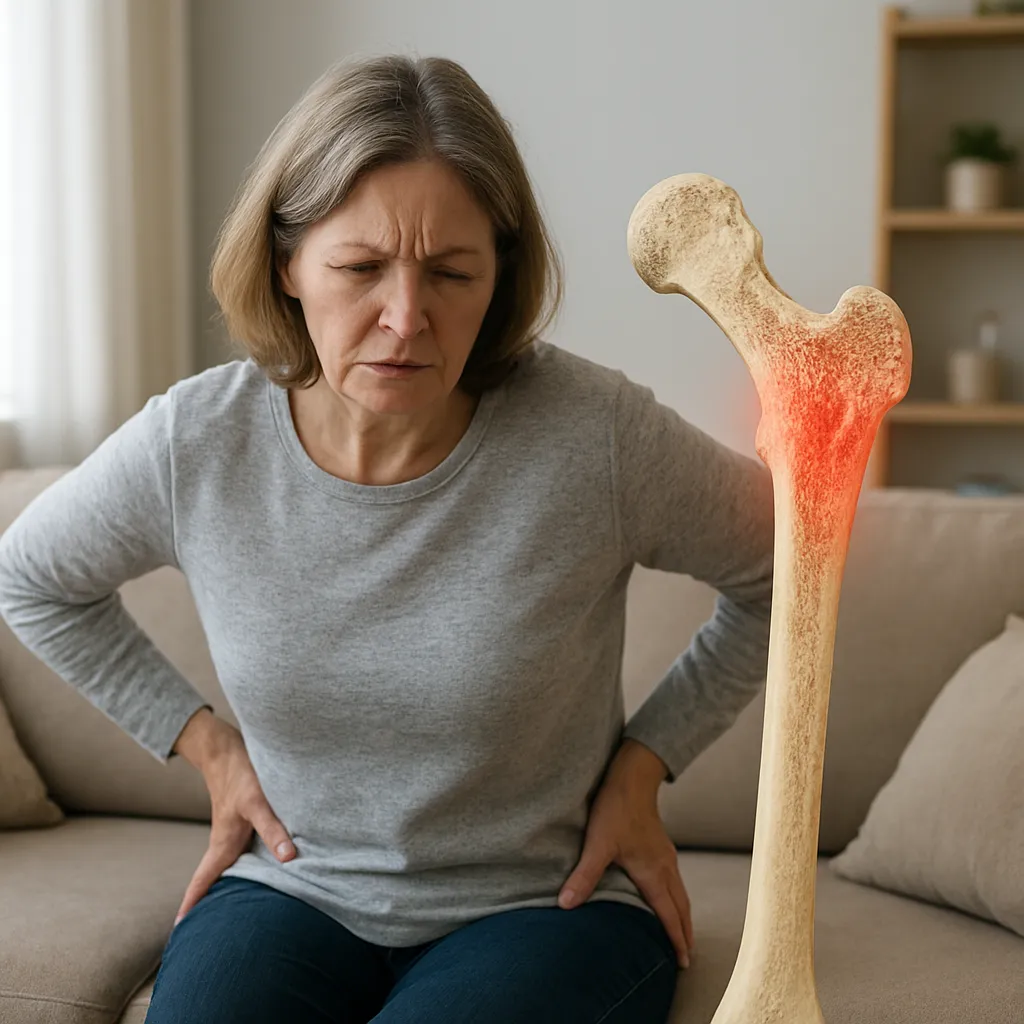
The interplay between chronic pain and skeletal integrity presents a multifaceted challenge in modern medicine. Patients experiencing persistent pain often develop compromised bone density and heightened fracture risk due to a combination of physiological, biochemical, and lifestyle factors. Understanding the mechanisms underlying bone deterioration in this population is essential to crafting effective preventative and therapeutic strategies. This article delves into the complex relationship between chronic pain and skeletal health, highlighting current knowledge on pathophysiology, the impact of medications, lifestyle modifications, and emerging interventions.
Pathophysiology of Bone Deterioration in Chronic Pain
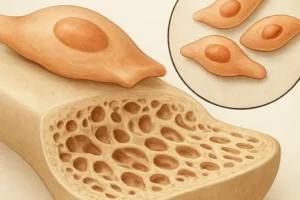
Prolonged pain triggers a cascade of neuroendocrine and inflammatory responses that adversely affect bone remodeling. Under normal conditions, osteoblasts and osteoclasts work in concert to maintain skeletal homeostasis. However, chronic nociceptive input can shift this balance toward increased bone resorption.
Inflammatory Mediators and Cytokine Release
- Elevated levels of interleukin-1, interleukin-6, and tumor necrosis factor-alpha promote osteoclastogenesis.
- Persistent inflammation disrupts the coupling of bone formation and resorption.
- Inflammatory milieu contributes to systemic bone loss and local bone microarchitecture deterioration.
Neurohormonal Alterations
- Chronic stress increases cortisol production, leading to suppressed osteoblast activity.
- Altered growth hormone and sex steroid levels exacerbate osteoporosis risk.
- Sympathetic overactivity may impair bone perfusion and cellular function.
Disuse Atrophy and Biomechanical Changes
- Pain-induced immobility results in reduced mechanical stimulus essential for bone formation.
- Diminished weight-bearing activity lowers bone mass and compromises trabecular integrity.
- Changes in gait and posture increase stress on specific skeletal regions, promoting microdamage.
Impact of Medications on Bone Metabolism
Pharmacological management of chronic pain often involves agents that, while effective for nociception, carry unintended skeletal side effects. Clinicians must balance analgesic efficacy with long-term bone health considerations.
Corticosteroids
Systemic corticosteroids are notorious for inducing rapid bone loss through multiple pathways, including:
- Inhibition of osteoblastogenesis.
- Promotion of osteocyte and osteoblast apoptosis.
- Enhanced renal calcium excretion and impaired intestinal absorption.
Opioids
Opioid therapy, especially with prolonged use, contributes to hypogonadism and subsequent bone demineralization. Mechanisms include:
- Suppression of the hypothalamic–pituitary–gonadal axis.
- Reduced sex hormone levels leading to decreased bone density.
- Potential direct negative effects on bone-forming cells.
Nonsteroidal Anti-Inflammatory Drugs (NSAIDs)
Although NSAIDs mitigate pain by inhibiting cyclooxygenase enzymes, they may alter bone healing processes:
- Interference with prostaglandin-mediated bone formation.
- Possible delay in fracture healing when used chronically.
- Variable effects dependent on dosage and duration.
Anticonvulsants and Antidepressants
Certain anticonvulsant and antidepressant medications can induce enzyme-mediated vitamin D catabolism, resulting in decreased calcium absorption and increased fracture risk.
Nutrition and Lifestyle Interventions
Optimal dietary and lifestyle practices are fundamental to preserving skeletal strength, particularly in patients with limited mobility or high analgesic exposure.
Dietary Calcium and Vitamin D
- Daily intake of 1,000–1,200 mg calcium supports mineralization.
- Vitamin D supplementation (800–1,000 IU) enhances intestinal calcium absorption.
- Regular assessment of serum 25-hydroxyvitamin D levels ensures sufficiency.
Protein and Micronutrients
- Adequate protein intake (1.0–1.2 g/kg) supports collagen matrix formation.
- Magnesium, zinc, and vitamin K are co-factors in bone metabolism.
- Balanced diet reduces risk of malnutrition-related bone loss.
Physical Activity and Weight-Bearing Exercise
- Resistance training stimulates osteoblastic activity through mechanical load.
- Weight-bearing exercises such as walking or stair climbing enhance biomechanics and bone strength.
- Falls prevention strategies improve overall skeletal resilience.
Lifestyle Modifications
- Smoking cessation reduces osteoclast activation and improves circulation.
- Moderate alcohol consumption prevents direct osteotoxic effects.
- Stress management techniques lower endogenous cortisol levels.
Rehabilitation and Physical Therapy Approaches
Physical therapy is integral to mitigating musculoskeletal deterioration in chronic pain sufferers. A multidisciplinary approach yields the best outcomes.
Strength and Resistance Training
- Progressive loading programs increase muscle mass and bone mineral content.
- Targeted exercises address postural imbalances and joint stability.
- Regular monitoring prevents overtraining and injury.
Aerobic and Balance Exercises
- Low-impact aerobic activities improve cardiovascular health and weight management.
- Balance training decreases fall risk and augments proprioception.
- Functional exercises mimic daily tasks to restore independence.
Manual Therapy and Hydrotherapy
- Soft tissue mobilization reduces muscle tension that can impede movement.
- Hydrotherapy allows safe weight-bearing in a buoyant environment.
- Combined modalities optimize range of motion and pain control.
Emerging Therapies and Future Directions
Innovations in bone medicine aim to address the unique needs of chronic pain patients by targeting cellular pathways and leveraging technology for personalized care.
Biologic Agents and Monoclonal Antibodies
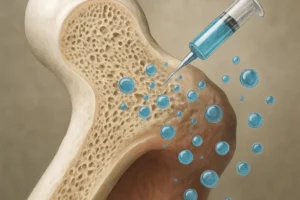
- Denosumab, an anti-RANKL antibody, inhibits osteoclast-mediated resorption.
- Romosozumab targets sclerostin to promote osteoblast activity.
- Clinical trials are exploring novel cytokine modulators.
Regenerative Medicine
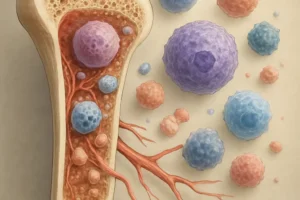
- Stem cell therapies hold promise for repairing microarchitectural bone defects.
- Platelet-rich plasma may enhance local growth factor release.
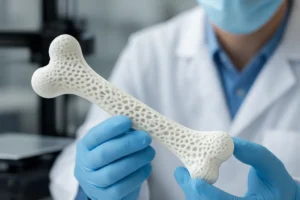
- Scaffold-based approaches facilitate targeted bone regeneration.
Telehealth and Remote Monitoring
- Wearable sensors track mobility patterns and weight-bearing loads.
- Virtual rehabilitation platforms deliver exercise guidance and feedback.
- Remote dietary and medication adherence monitoring improves long-term outcomes.
Precision Medicine and Genetic Profiling
- Genetic screening for bone-related polymorphisms guides individualized therapy.
- Biomarker-driven interventions optimize pharmacotherapy choices.
- Data analytics predict fracture risk and treatment response trajectories.