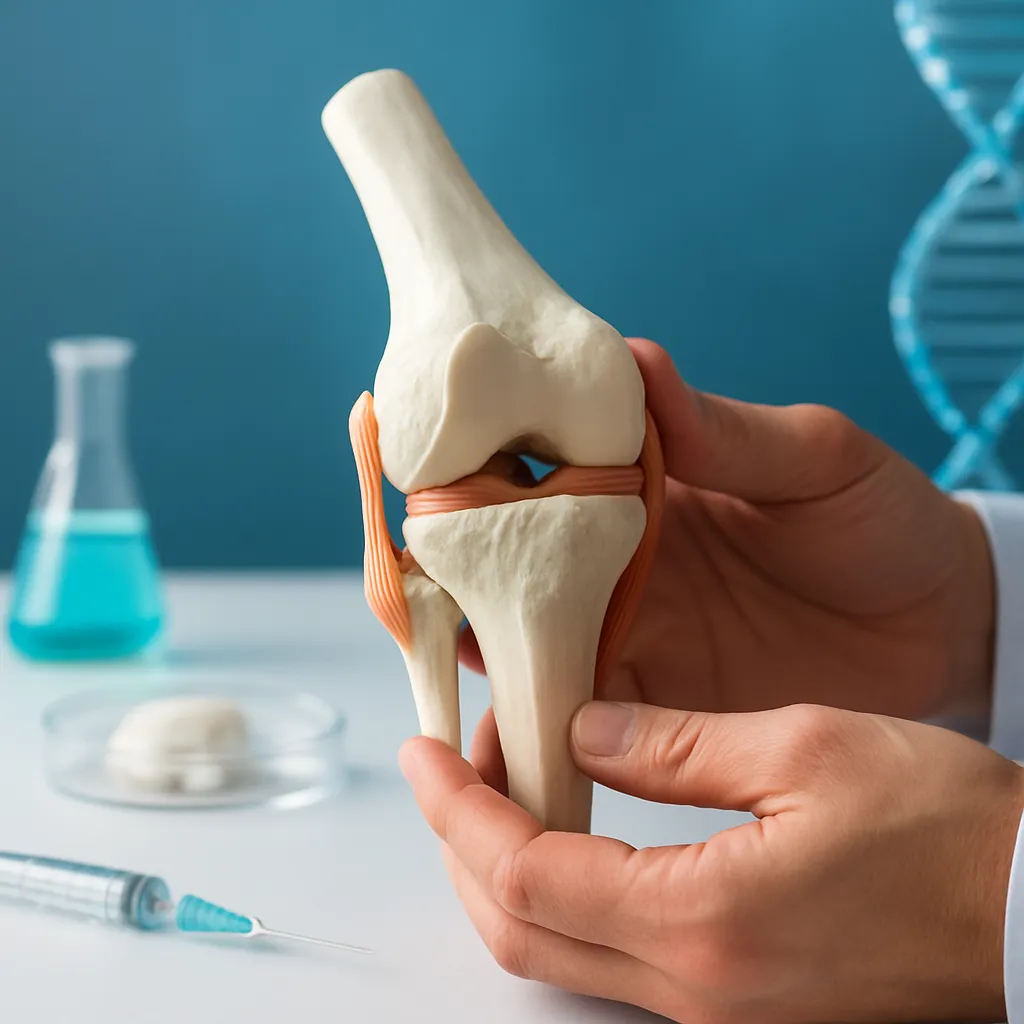





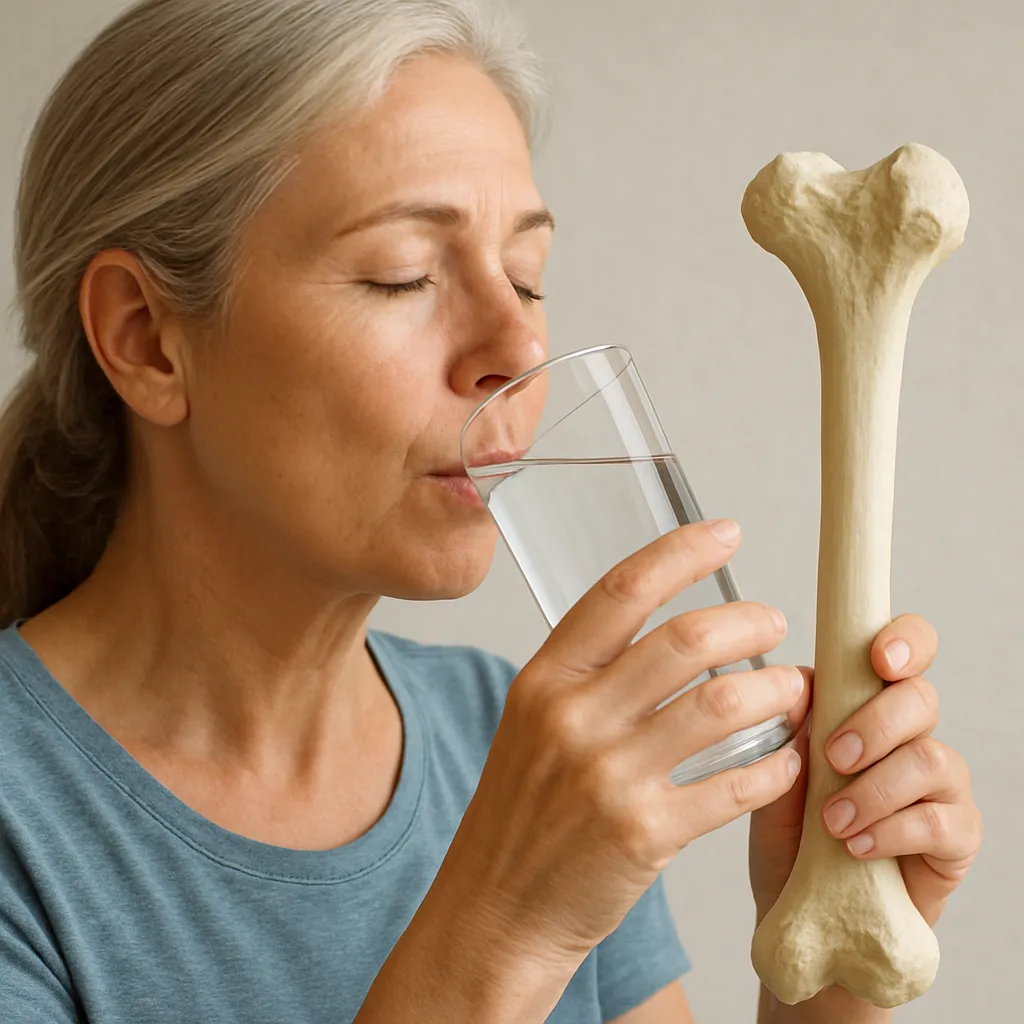
Maintaining optimal hydration is often associated with cardiovascular health or athletic performance, yet its significance extends deeply into the skeletal system. Bones are dynamic, living tissues that rely on precise fluid balance and nutrient delivery for proper formation, repair, and function. Adequate water intake supports the microenvironment where osteoblast and osteoclast cells carry out remodeling processes, ensures efficient mineralization of the bone matrix, and safeguards against the adverse effects of dehydration. Understanding how water and dissolved electrolytes contribute to bone health can inform practical strategies for preserving skeletal strength throughout life.
The Role of Water in Bone Physiology
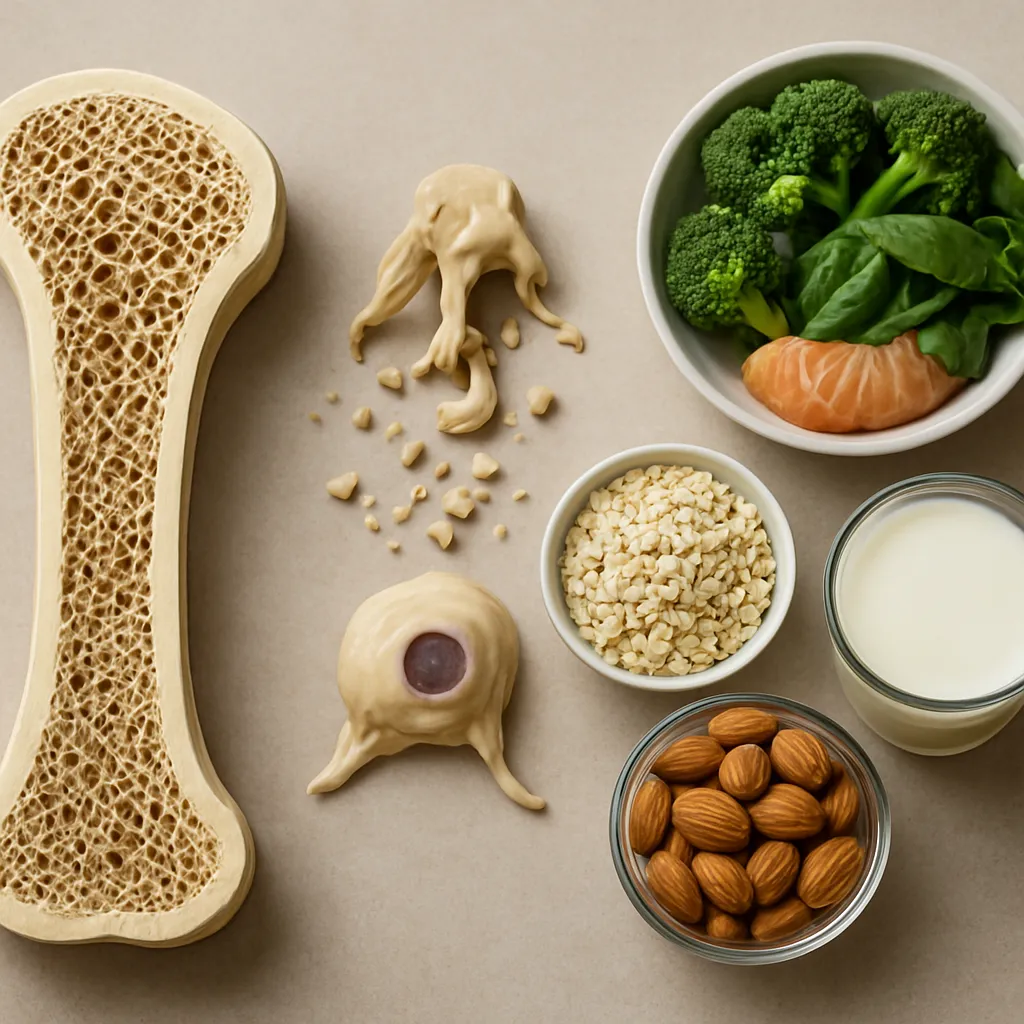
Bones comprise approximately 30 percent organic components, like collagen fibers, and 70 percent inorganic mineral, chiefly hydroxyapatite (Ca10(PO4)6(OH)2). However, water accounts for nearly 20 percent of bone weight, present within microscopic pores, vascular channels, and the interstitial fluid around bone cells. This hydroxyapatite-rich, water-containing matrix serves multiple critical functions:
- Transport of calcium, phosphate, and other ions essential for mineralization.
- Cushioning against mechanical stress by absorbing shocks and distributing loads.
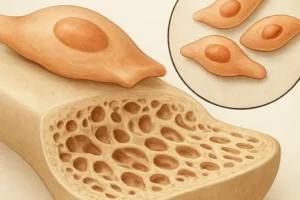
- Maintaining ionic equilibrium that regulates cellular activities of osteoblast and osteoclast populations.
- Facilitating waste removal and nutrient delivery via microvascular networks.
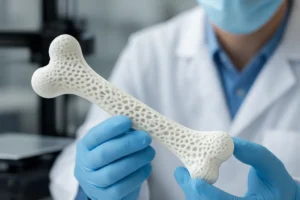
Even slight variations in bone hydration can alter its elasticity and strength. A well-hydrated matrix exhibits improved toughness, resisting fractures more effectively than dehydrated, brittle bone tissue. The fluid-filled lacunae and canaliculi in cortical and cancellous bone form a continuous network that supports rapid biochemical signaling essential for bone growth and repair.
Factors Affecting Hydration and Bone Integrity
Both endogenous and environmental factors influence skeletal hydration status and, by extension, bone resilience. Disruptions in fluid balance—whether due to illness, diet, or lifestyle—can precipitate shifts in bone density and architecture.
Impact of Electrolyte Imbalance
Electrolytes such as sodium, potassium, magnesium, and chloride regulate osmotic pressure, acid-base neutrality, and fluid distribution between intracellular and extracellular spaces. Chronic sodium excess may provoke calcium excretion, undermining bone mineralization and contributing to osteoporosis risk. Meanwhile, insufficient magnesium disturbs osteoblast activity and reduces bone stiffness. Acid-base irregularities, particularly chronic metabolic acidosis, promote bone resorption as the body leaches alkaline minerals—primarily calcium—from the skeleton to stabilize pH levels.
Influence of Lifestyle and Diet
- High-protein diets increase renal water loss and may elevate calcium excretion without proper fluid compensation.
- Regular consumption of caffeinated or alcoholic beverages can exert diuretic effects, exacerbating dehydration and impairing nutrient delivery to bone tissues.
- Physical inactivity reduces mechanical loading and decreases blood flow to bones, hampering water-mediated nutrient transport.
- Prolonged sun exposure without hydration risks heat-related fluid deficits that can affect overall bone cell viability.
Genetic predispositions, age-related declines in thirst perception, and certain medications (e.g., diuretics) further complicate the regulation of hydration and, consequently, skeletal robustness.
Practical Guidelines for Maintaining Bone Health Through Hydration
Ensuring optimal skeletal function demands a proactive approach to fluid intake, tailored to individual needs. The following guidelines can help bolster bone health through effective water management:
- Adhere to a baseline of 2–2.5 liters of water daily for adults, adjusting upward during hot weather, vigorous exercise, or illness.
- Incorporate hydrating foods such as cucumbers, strawberries, watermelon, and leafy greens, which also provide bone-supporting micronutrients like vitamin K and magnesium.
- Monitor urine color—pale straw hue indicates adequate hydration; darker shades suggest fluid restriction.
- Balance electrolyte intake by consuming mineral-rich beverages or supplements when engaging in prolonged physical activity.
- Limit excessive intake of sodas and sugary drinks that can interfere with calcium absorption.
- For older adults, set regular reminders to drink fluids, as age-related changes often reduce the sensation of thirst.
Incorporating hydration checkpoints into daily routines—such as drinking a glass of water upon waking and before each meal—helps maintain consistent fluid levels. Sports enthusiasts should adopt a regimen of pre-, during-, and post-exercise hydration, emphasizing electrolyte-containing solutions for intensive training sessions lasting over an hour.
Emerging Research and Future Directions
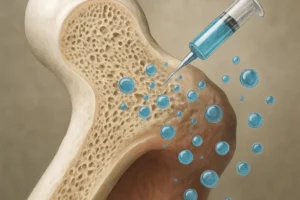
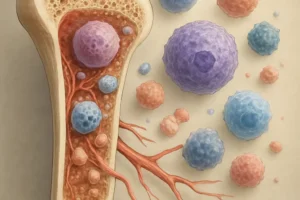
Recent investigations highlight the potential of targeted hydration therapies to mitigate bone loss in conditions like osteoporosis and inflammatory bone diseases. Nanotechnology approaches are exploring water-based delivery systems for bone-regenerative drugs, enhancing local nutrient supply and cellular activity within the bone matrix. Further studies aim to quantify the relationship between bone marrow hydration dynamics and hematopoietic function, underscoring the interplay between skeletal and systemic health.
By appreciating the multifaceted role of adequate hydration in skeletal physiology, clinicians and individuals alike can adopt strategies that strengthen the skeleton, minimize fracture risks, and support lifelong musculoskeletal well-being.