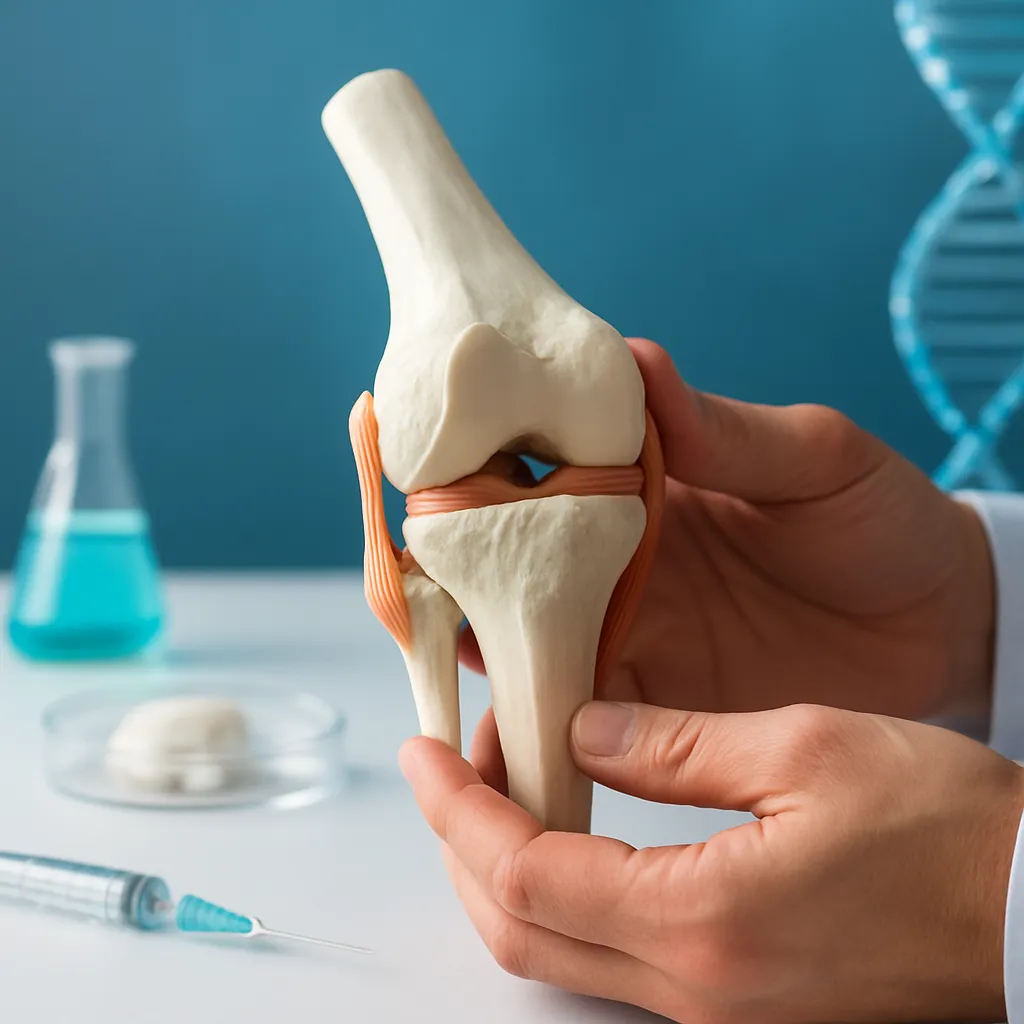




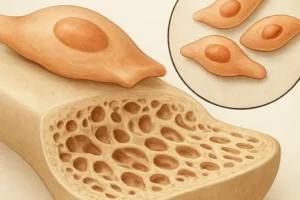

Osteoporosis remains a pervasive skeletal disorder characterized by decreased bone mass and microarchitectural deterioration, leading to enhanced fracture risk. This article examines recent breakthroughs in drug development targeting bone remodeling, highlighting both antiresorptive and anabolic strategies. A comprehensive overview explores mechanistic insights, clinical outcomes, and emerging molecular targets that promise to reshape the therapeutic landscape.
Bone Remodeling and Pathophysiology
Bone remodeling is a dynamic, lifelong process involving the coordinated activities of osteoclasts (bone-resorbing cells) and osteoblasts (bone-forming cells). Homeostasis depends on the delicate balance between these cell types. In osteoporosis, an imbalance favoring resorption leads to reduced bone mineral density (BMD) and microstructural weakening.
Cellular Mechanisms
- RANK/RANKL/OPG Pathway: RANKL (Receptor Activator of Nuclear Factor κ B Ligand) binds to RANK on osteoclast precursors, promoting differentiation and activation. Osteoprotegerin (OPG) acts as a decoy receptor, inhibiting this interaction.
- Wnt/β-Catenin Signaling: Critical for osteoblast proliferation and function. Sclerostin, secreted by osteocytes, inhibits Wnt signaling, reducing bone formation.
- Hormonal Regulation: Estrogen deficiency accelerates resorption by upregulating RANKL and proinflammatory cytokines.
Genetic and Molecular Contributors
Advancements in genomic studies have identified polymorphisms affecting collagen type I, vitamin D receptor, and Wnt pathway genes. These discoveries offer potential for personalized medicine approaches in osteoporosis management.
Current Antiresorptive Therapies
Antiresorptive agents remain the cornerstone of osteoporosis treatment, aiming to suppress excessive bone breakdown and stabilize or increase BMD.
Bisphosphonates
- Mechanism: They bind to hydroxyapatite in bone and induce osteoclast apoptosis upon resorption.
- Common Agents: Alendronate, risedronate, zoledronate.
- Clinical Impact: Demonstrated reduction in vertebral, nonvertebral, and hip fractures by up to 50%.
- Challenges: Gastrointestinal intolerance, rare adverse events such as osteonecrosis of the jaw and atypical femoral fractures with long-term use.
Denosumab
- Mechanism: Monoclonal antibody targeting RANKL, preventing osteoclast formation and function.
- Efficacy: Increases BMD significantly compared to bisphosphonates; reduces fracture risk by ~68% vertebral and ~40% hip.
- Safety Profile: Generally well-tolerated; potential rebound bone loss upon discontinuation, hypocalcemia in susceptible patients.
Selective Estrogen Receptor Modulators (SERMs)
- Raloxifene: Exhibits estrogen-agonist effects on bone and antagonist effects on breast and uterine tissue.
- Clinical Outcomes: Reduces vertebral fractures; no significant hip fracture benefit.
- Limitations: Risk of venous thromboembolism and hot flashes.
Anabolic Agents: Building Bone Mass
Anabolic therapies stimulate bone formation, offering an alternative to purely antiresorptive regimens. These agents are particularly valuable for patients with severe osteoporosis or those who fail to respond adequately to antiresorptive drugs.
Teriparatide and Abaloparatide
- Teriparatide: Recombinant human parathyroid hormone (PTH 1-34) anabolic agent administered daily.
- Abaloparatide: PTH-related peptide analog with greater specificity for the RG conformation of the PTH1 receptor, promoting bone formation with potentially fewer resorptive effects.
- Clinical Benefits: Both agents increase BMD and reduce vertebral fractures by ~65% and nonvertebral fractures by ~53%.
- Limitations: Treatment restricted to 18–24 months; hypercalcemia risk; injectable administration may limit adherence.
Sclerostin Inhibitors
- Romosozumab: Humanized monoclonal antibody against sclerostin, lifting Wnt inhibition and boosting osteoblast activity.
- Dual Mode of Action: Rapid increase in bone formation and modest decrease in bone resorption.
- Clinical Trials: FRAME and ARCH studies demonstrated significant fracture risk reduction; however, a potential increase in cardiovascular events observed in some populations.
Emerging Therapeutic Targets
Innovation continues with novel targets aiming to refine both efficacy and safety profiles. Below are some promising directions:
Cathepsin K Inhibitors
- Mechanism: Cathepsin K is an enzyme crucial for collagen degradation by osteoclasts.
- Odanacatib: Once showed substantial BMD gains but discontinued due to stroke risk.
- Next-Generation Inhibitors: Research focuses on improving selectivity to minimize off-target effects.
MicroRNA-Based Therapies
- Function: MicroRNAs regulate gene expression post-transcriptionally, impacting osteoblastogenesis and osteoclastogenesis.
- Therapeutic Potential: Delivery of miRNA mimics or inhibitors to modulate bone cell activity.
- Challenges: Ensuring targeted delivery, avoiding immune activation, and establishing long-term safety.
Gut Microbiome Modulation
- Emerging Evidence: Gut bacteria influence calcium absorption and inflammatory pathways affecting bone health.
- Probiotics and Prebiotics: Clinical trials are investigating strains that may enhance bone density and reduce fracture risk.
- Future Directions: Integration of microbiome profiling with personalized interventions.
Challenges and Future Directions
Despite substantial progress, drug development in osteoporosis faces several obstacles. Understanding and overcoming these barriers will be crucial for next-generation therapies.
Long-Term Safety and Adherence
- Rare Adverse Events: Ongoing surveillance for osteonecrosis, atypical fractures, and cardiovascular risks is essential.
- Patient Adherence: Simplifying dosing regimens (e.g., annual infusions, semiannual injections) and minimizing side effects can improve compliance.
Personalized Medicine
- Biomarker Development: Identifying predictive markers for drug response and adverse events.
- Genomic Profiling: Tailoring therapy based on genetic risk factors and metabolic profiles.
- Artificial Intelligence: Utilizing machine learning to optimize patient selection and dosing.
Combination and Sequential Therapies
- Rationale: Sequential use of anabolic followed by antiresorptive agents may yield greater and more sustained BMD gains.
- Clinical Protocols: Determining optimal timing and sequence to maximize benefit while minimizing risks.
The evolving landscape of osteoporosis drug development is marked by innovative mechanisms, targeted therapies, and a growing emphasis on safety and personalization. Continued interdisciplinary research and rigorous clinical evaluation will be pivotal in reducing the global burden of fragility fractures and improving skeletal health across populations.