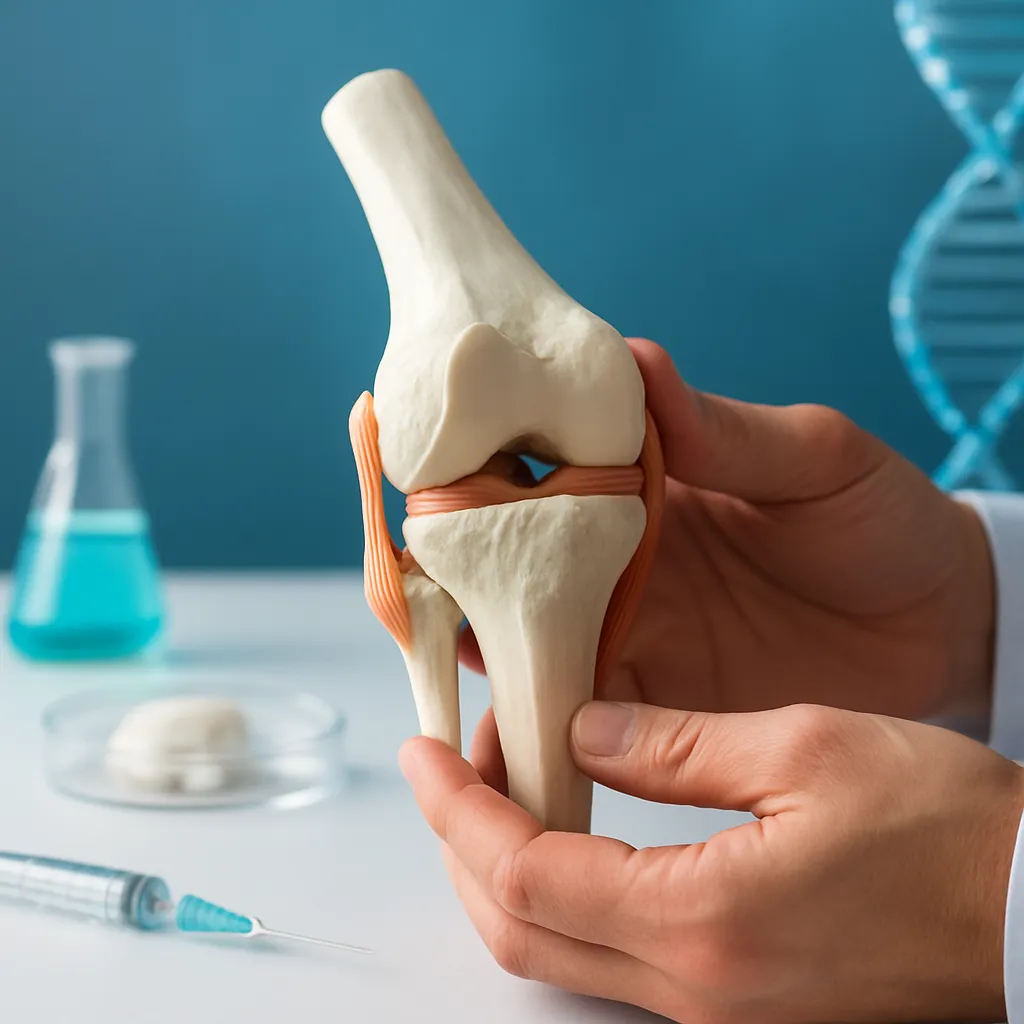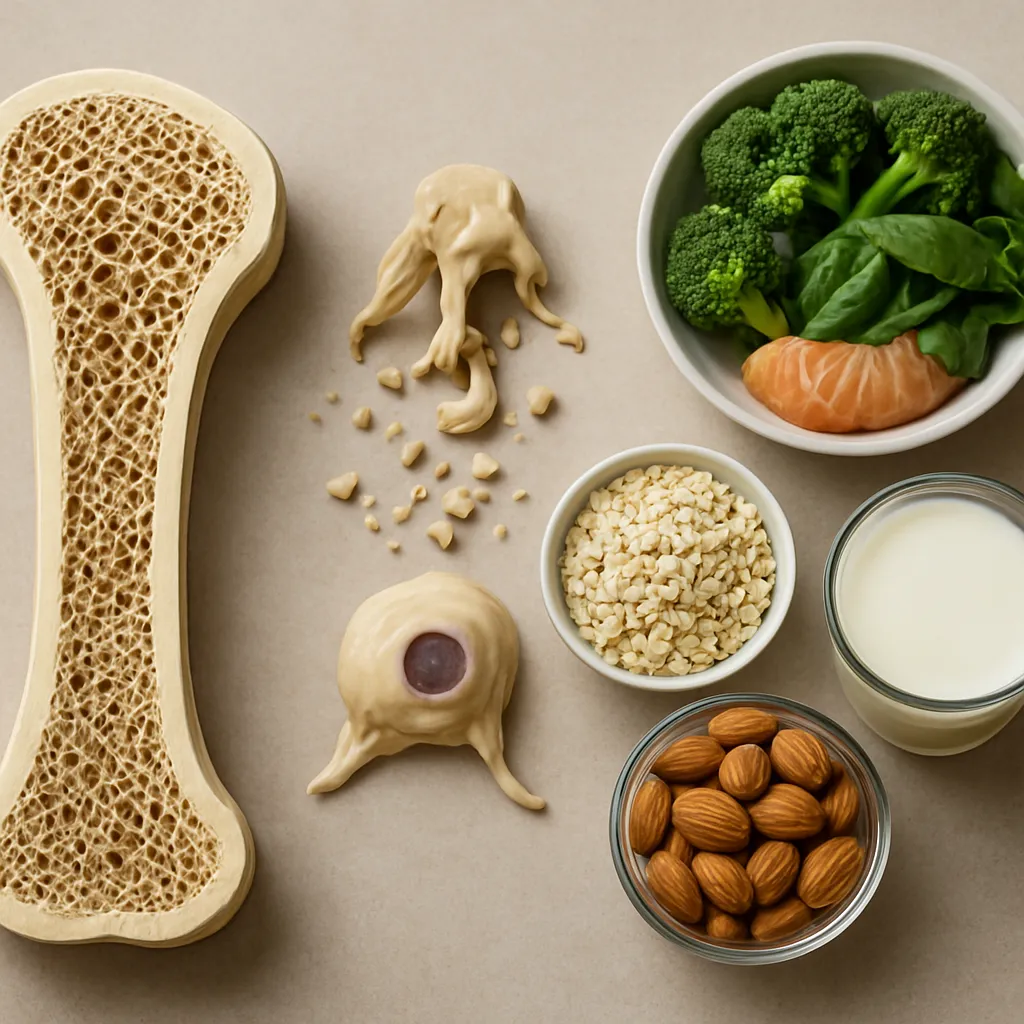
Aging introduces a complex set of biological alterations that significantly influence the *bone healing process*. From microscopic changes at the cellular level to shifts in systemic factors, understanding how advanced years slow recovery is vital for improving patient outcomes. This article explores the interplay between senescence and bone repair, delving into molecular alterations, phases of fracture healing, and targeted strategies to enhance regeneration in older adults.
Cellular and Molecular Changes in Aging Bone
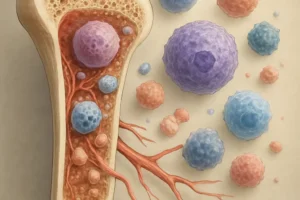
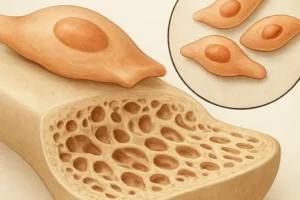
At the heart of delayed repair in elderly patients lie profound shifts in bone cell function. Osteoblasts (bone-forming cells) and osteoclasts (bone-resorbing cells) operate in a delicate balance under normal conditions. With aging, this homeostasis tilts toward bone loss. Age-related factors include:
- Senescence of osteoprogenitor cells, reducing their proliferation and differentiation capacity.
- Accumulation of reactive oxygen species (ROS) that damage cellular proteins and DNA.
- Altered secretion of cytokines and growth factors, such as decreased Transforming Growth Factor-β (TGF-β) and increased pro-inflammatory IL-6.
- Impaired angiogenesis, leading to reduced blood supply at fracture sites.
- Changes in extracellular matrix quality, notably diminished collagen cross-linking.
Osteoblast Dysfunction
With advancing age, osteoblast precursors exhibit lower expression of key transcription factors like Runx2 and osterix. This leads to fewer mature bone-forming cells and slower deposition of mineralized matrix. A decline in Wnt/β-catenin signaling further hampers osteoblast activity, undermining the first steps of bone repair.
Osteoclast Overactivity
Conversely, osteoclasts may become hyperactive due to elevated RANKL levels and decreased osteoprotegerin (OPG). This imbalance accelerates bone resorption, limiting the scaffold upon which new bone can form. Excessive resorption generates an inflammatory environment that impedes proper callus formation.
Stages of Bone Healing and Impact of Aging
Bone repair unfolds through a well-orchestrated series of phases. Aging disturbs each phase, extending the overall healing time and increasing the risk of complications.
Inflammatory Phase
Immediately after a fracture, hematoma formation and infiltration of immune cells set the stage for healing. In older individuals:
- The inflammatory response is prolonged and often dysregulated, marked by persistent high levels of TNF-α and IL-1β.
- Reduced recruitment of mesenchymal stem cells (MSCs) delays transition to the repair phase.
Repair Phase
During this stage, chondrocytes produce cartilaginous callus, which is later replaced by woven bone. Aging effects include:
- Slower chondrogenesis due to lower MSC proliferation.
- Decreased vascularization within the callus, compromising nutrient delivery and waste removal.
- Impaired mineralization, resulting in weaker initial bone structure.
Remodeling Phase
In this final stage, woven bone matures into lamellar bone, restoring normal architecture. Key challenges with aging are:
- Prolonged presence of woven bone, reflecting delayed remodeling.
- Diminished response to mechanical loading, which normally stimulates osteocyte activity for bone reshaping.
- Elevated risk of incomplete remodeling, increasing fracture susceptibility.
Clinical Implications and Therapeutic Strategies
Recognizing the unique hurdles of bone healing in older adults guides more effective interventions. Multimodal approaches can address cellular deficits and systemic conditions.
Pharmacological Interventions
- Bisphosphonates: Inhibit osteoclast activity, slowing excessive bone resorption and stabilizing the fracture site.
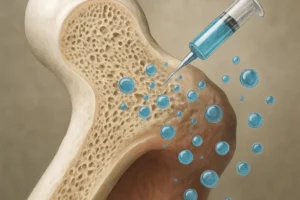
- Denosumab: A monoclonal antibody that blocks RANKL, rebalancing bone remodeling.
- Parathyroid Hormone Analogues (e.g., Teriparatide): Stimulate osteoblast function, boosting new bone formation in delayed unions.
- Antioxidants and anti-inflammatory agents: Reduce oxidative stress and chronic inflammation that impair healing.
Biophysical Stimulation
- Low-Intensity Pulsed Ultrasound (LIPUS): Enhances callus formation and angiogenesis by mechanical micro-stimulation.
- Electrical Bone Growth Stimulators: Promote osteogenic differentiation of MSCs through electromagnetic fields.
- Extracorporeal Shockwave Therapy: Induces neovascularization and local growth factor release.
Nutritional and Lifestyle Optimization
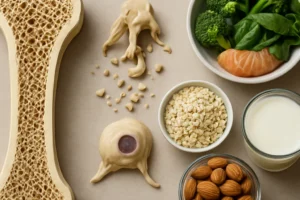
- Ensuring adequate intake of calcium, vitamin D, and protein supports mineralization and cell proliferation.
- Regular weight-bearing exercise enhances mechanical signals critical for remodeling.
- Smoking cessation and moderation of alcohol intake reduce systemic inflammation and improve vascular health.
Surgical Considerations
In elderly patients with complex fractures or osteoporotic bone, surgical fixation techniques must adapt:
- Use of locking plates and intramedullary nails designed for low-density bone.
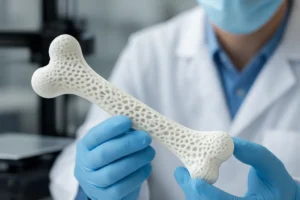
- Augmentation with bone grafts or synthetic substitutes to provide structural support.
- Minimally invasive approaches to preserve soft tissue and local blood supply.
Emerging Therapies
- Cell-based therapies: Transplantation of autologous MSCs to replenish senescent progenitor pools.
- Gene therapy: Targeted delivery of osteogenic genes such as BMP-2 to accelerate repair.
- Nanotechnology: Scaffold systems releasing growth factors and drugs in a controlled manner.