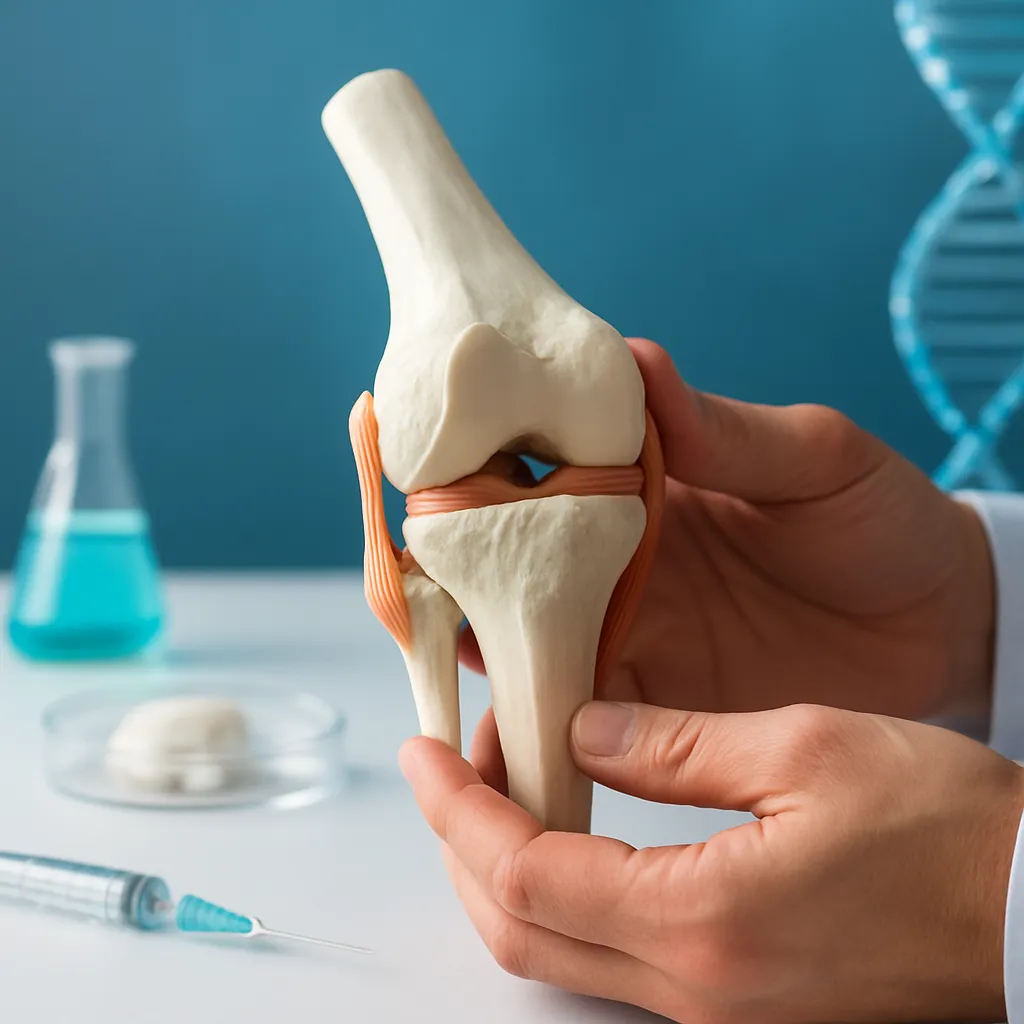




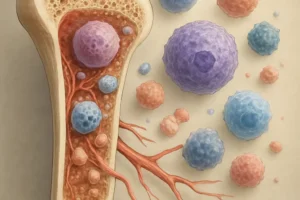
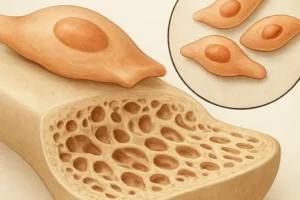

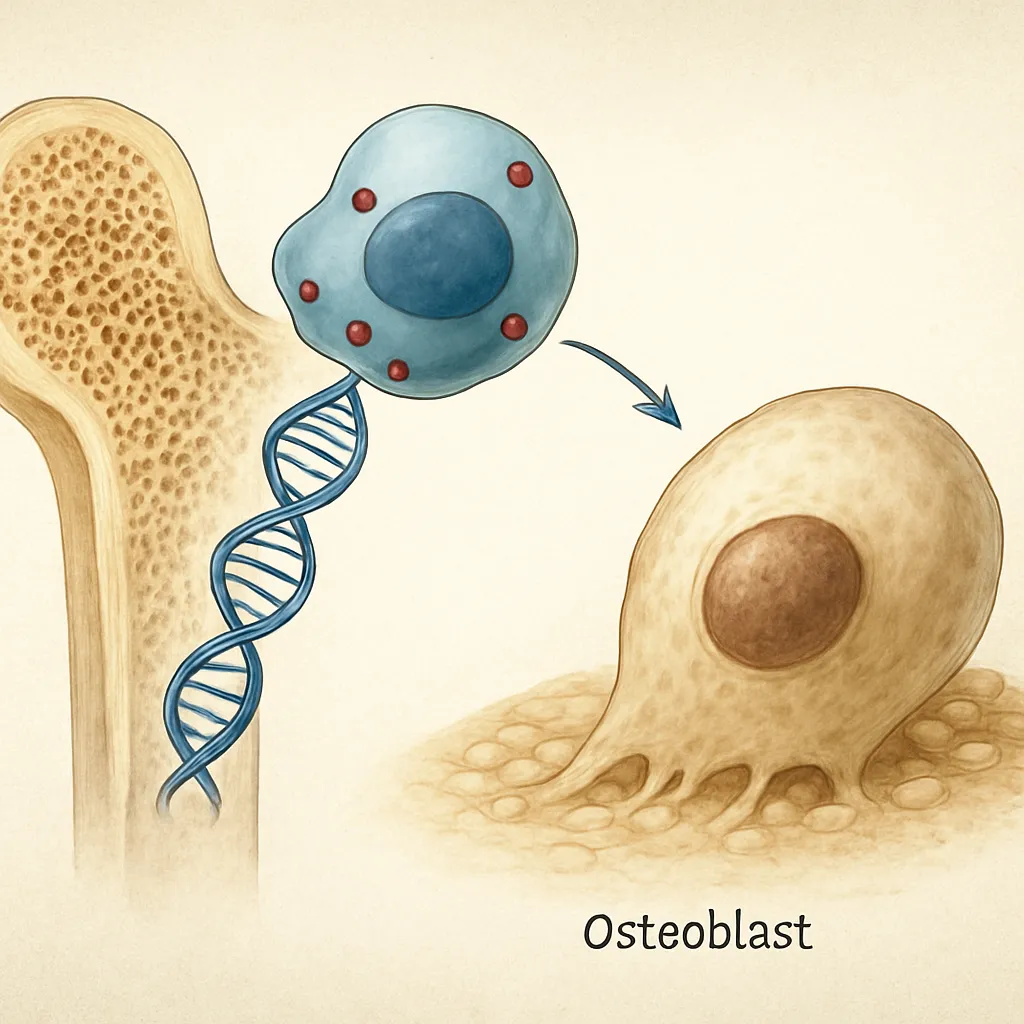
The Role of Wnt signaling in Bone Formation represents a critical axis in understanding skeletal development and disease. This complex network of proteins orchestrates cellular events that drive the balance between bone formation and resorption. Advances in molecular biology have revealed that modulation of Wnt pathways can promote osteogenesis, offering promising avenues for therapeutic intervention in disorders of bone density and strength. The following sections delve into the key mechanisms, regulatory factors, and clinical implications of this essential communication system.
Roles of Wnt Signaling Pathways in Bone Biology
The mammalian Wnt family comprises 19 ligands that trigger either the canonical (β-catenin–dependent) cascade or non-canonical (β-catenin–independent) routes. In the canonical pathway, binding of Wnt ligands to a receptor complex formed by Frizzled (FZD) proteins and co-receptors LRP5/6 leads to stabilization of beta-catenin. This transcriptional co-activator translocates to the nucleus and partners with TCF/LEF factors to upregulate genes essential for osteoblast lineage commitment and proliferation.
Canonical Wnt Pathway and Osteoblast Differentiation
Activation of the canonical signal promotes mesenchymal stem cell (MSC) fate toward osteoblasts, the bone-forming cells that secrete matrix proteins such as collagen type I and osteocalcin. Key target genes include RUNX2 and osterix, both of which are indispensable for matrix mineralization. Disruption in this axis, as seen in loss-of-function mutations of LRP5/6, often results in low bone mass and heightened fracture risk.
Non-Canonical Pathways and Their Skeletal Functions
Non-canonical Wnt signaling branches into planar cell polarity (PCP) and Wnt/Ca2+ pathways. While less studied in bone, these routes influence cytoskeletal organization and calcium flux, potentially affecting the spatial arrangement of osteoblasts and osteoclasts within the remodeling unit. For instance, Wnt5a interaction with ROR2 receptors can indirectly modulate osteoclastogenesis, highlighting crosstalk between formation and resorption processes.
- Key Ligands: Wnt1, Wnt3a (canonical); Wnt5a, Wnt11 (non-canonical)
- Receptors: Frizzled family (FZD1–10), ROR, Ryk
- Intracellular mediators: Dishevelled, Axin, GSK-3β
Regulation by Antagonists and Modulators
Precise control of Wnt signaling is vital to maintain bone homeostasis. Several extracellular inhibitors bind either to ligands or receptor complexes to fine-tune signal intensity. Chief among these are sclerostin and Dickkopf-1 (DKK1), both of which directly interfere with LRP5/6 interactions.
Sclerostin and Its Impact on Bone Remodeling
Sclerostin, a glycoprotein secreted by osteocytes, acts as a potent brake on osteoblastic activity. By binding to LRP5/6, it prevents Wnt ligands from initiating the canonical cascade, thereby reducing osteoblast differentiation and matrix deposition. Elevated sclerostin levels are observed in disuse osteoporosis and chronic kidney disease, contributing to impaired bone formation.
Other Secreted Antagonists
- DKK1: Forms a ternary complex with Kremen and LRP5/6, leading to receptor internalization.
- SFRPs (Secreted Frizzled-Related Proteins): Sequester Wnt ligands, hampering receptor engagement.
- WIF-1 (Wnt Inhibitory Factor): Binds Wnt molecules directly, blocking both canonical and non-canonical signals.
Role of Co-Receptors and Enhancers
In contrast, R-spondins synergize with LGR4/5 receptors to potentiate canonical signaling, enhancing beta-catenin stabilization and osteoblastic gene expression. Modulation of receptor availability and ligand affinity underscores the complexity of Wnt regulation in bone tissue.
Implications for Disease and Therapeutic Strategies
Dysregulation of Wnt pathways has been implicated in a spectrum of skeletal disorders. Understanding these mechanisms has led to the development of targeted therapies aimed at restoring balanced bone remodeling.
Genetic Disorders and Mutations
Mutations in LRP5 can manifest as high bone mass syndrome or osteoporosis-pseudoglioma syndrome, depending on whether they enhance or impair receptor function. Similarly, anomalies in SOST, the gene encoding sclerostin, result in sclerosteosis and van Buchem disease, both characterized by excessive bone deposition and nerve compression complications.
Pharmacologic Modulation of Wnt Signaling
- Anti-Sclerostin Antibodies (e.g., romosozumab): Neutralize sclerostin, unleashing canonical signaling to boost bone formation.
- Small Molecule Inhibitors: Target GSK-3β to mimic Wnt activation and elevate beta-catenin levels.
- DKK1 Antagonists: Under investigation for their ability to relieve inhibitory pressure on Wnt pathways.
Clinical Outcomes and Safety Considerations
Romosozumab has demonstrated significant gains in bone mineral density and reductions in vertebral fractures. However, cardiovascular safety concerns necessitate careful patient selection. Balancing anabolic and antiresorptive effects remains a challenge, as overt activation of canonical pathways could predispose to aberrant tissue growth or neoplasia.
Emerging Perspectives and Future Directions
Innovative research seeks to refine Wnt-based therapies by improving specificity and minimizing off-target effects. Tissue-engineered scaffolds loaded with Wnt agonists or gene therapies aimed at modulating receptor expression hold promise for localized bone regeneration. Additionally, exploration of non-canonical ligands may reveal novel mechanisms to coordinate skeletal architecture without perturbing canonical homeostasis.
Biomaterial Integration
Incorporating Wnt ligands into biodegradable matrices can create osteoinductive implants that harness endogenous MSCs for defect repair. Controlled release systems aim to deliver precise temporal and spatial signaling cues, optimizing the repair process while limiting systemic exposure.
Gene Editing and Cell Therapy
CRISPR-based approaches targeting negative regulators such as SOST or DKK1 offer potential for durable enhancement of bone mass. Coupling these strategies with MSC transplantation could enable personalized regenerative treatments for critical-size defects and nonunion fractures.
Personalized Medicine and Biomarkers
Identification of circulating Wnt-related proteins and microRNAs may facilitate early diagnosis of metabolic bone disease and enable tailored therapeutic regimens. Patient stratification based on genetic polymorphisms in Wnt components could maximize treatment efficacy and safety.