




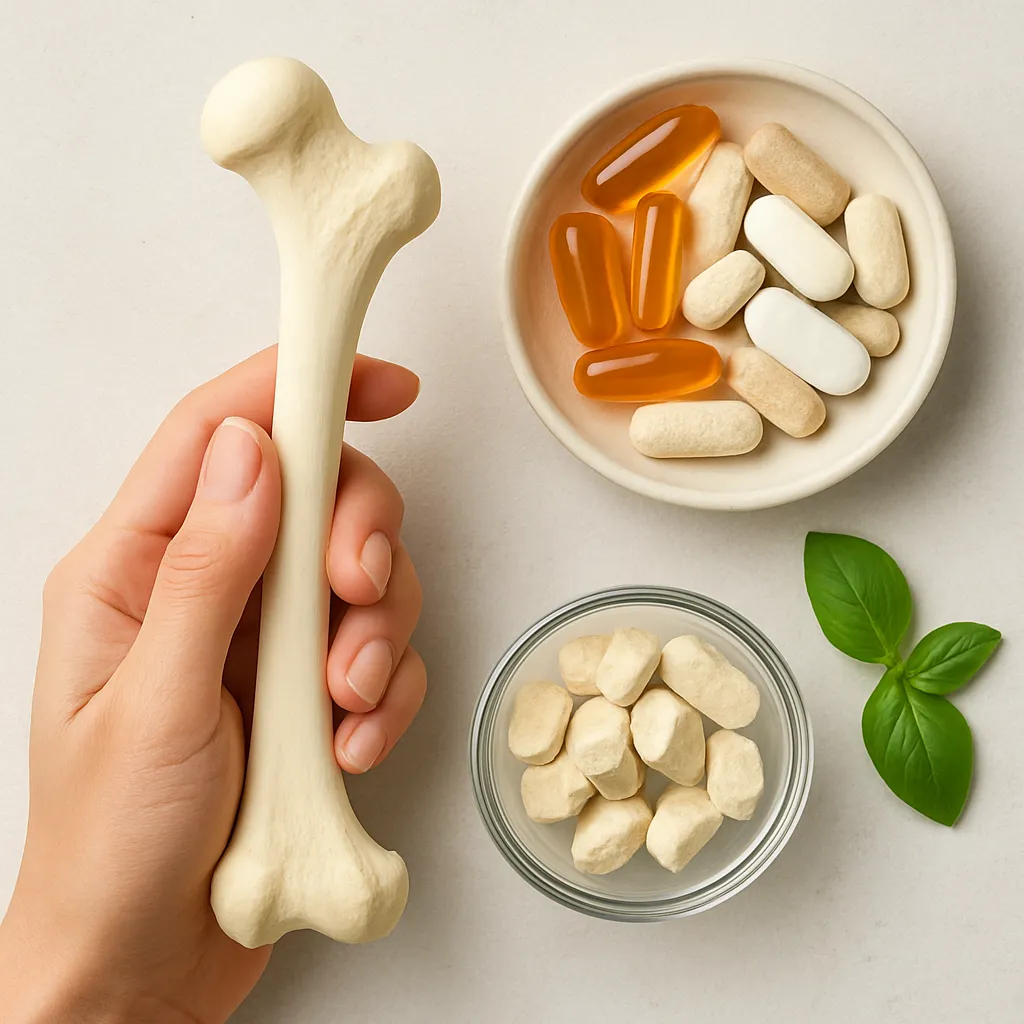
Maintaining skeletal strength involves a delicate interplay of diet, lifestyle, and targeted supplementation. Among the emerging strategies, nutraceuticals have gained prominence for their ability to bolster bone health, improve density, and reduce the risk of osteoporosis. This article explores the scientific mechanisms, key compounds, and clinical evidence underpinning the role of these potent bioactive ingredients in musculoskeletal medicine.
Understanding Bone Remodeling and Nutraceutical Intervention
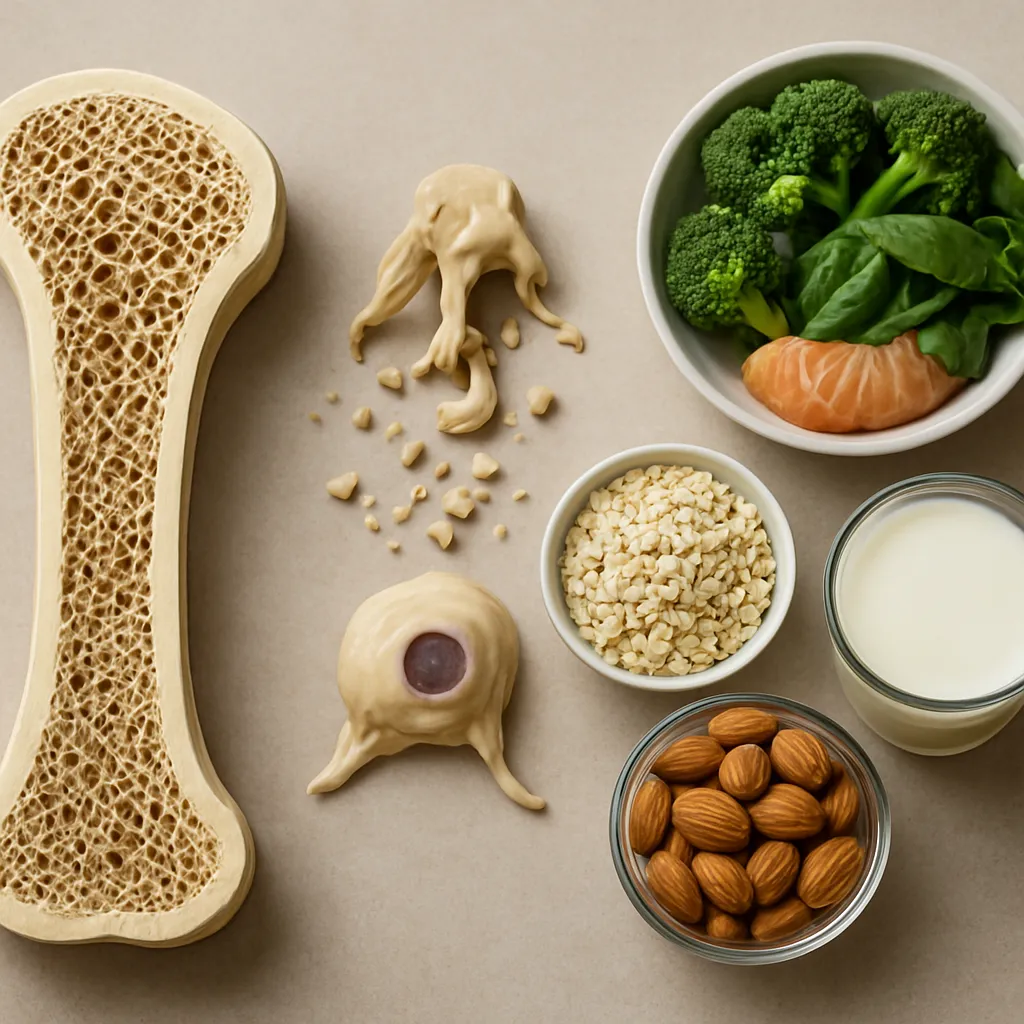
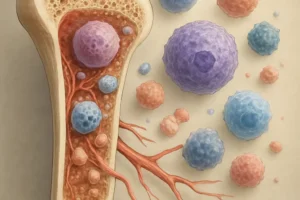
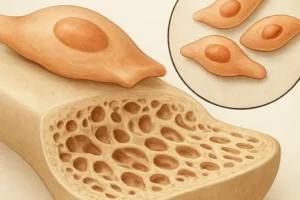
Bone is a dynamic tissue that undergoes continuous renewal through remodeling, a process orchestrated by osteoclasts (resorptive cells) and osteoblasts (formative cells). Effective remodeling ensures structural integrity and facilitates repair after microdamage. However, imbalances—favoring resorption over formation—can result in decreased mineral content and increased fragility. Here, targeted nutraceuticals can modulate cellular activity, signaling pathways, and matrix composition to promote optimal skeletal health.
Key Cellular and Molecular Pathways
- RANK/RANKL/OPG axis: Many nutraceuticals influence the ratio of RANKL (promoter of osteoclastogenesis) to OPG (inhibitor).
- Wnt/β-catenin signaling: Crucial for osteoblast differentiation and activity, and enhanced by certain bioactive peptides.
- Inflammatory mediators: Chronic inflammation accelerates bone loss; anti-inflammatory phytochemicals can suppress cytokines like TNF-α and IL-6.
- Oxidative stress: Reactive oxygen species impair osteoblast function; antioxidants protect against this damage.
Key Nutraceuticals Enhancing Bone Integrity
A variety of substances qualify as effective bone-supporting nutraceuticals. Their mechanisms range from providing essential building blocks to modulating complex signaling networks.
Calcium and Vitamin D Synergy
Calcium is the most abundant mineral in bone tissue, essential for mineralization and mechanical strength. However, without sufficient vitamin D, calcium absorption in the gut remains suboptimal. Combined supplementation:
- Enhances intestinal uptake of calcium and phosphate.
- Regulates parathyroid hormone (PTH) secretion to reduce excessive bone resorption.
- Supports muscle function and balance, lowering fall risk.
Optimized formulations often include microencapsulated vitamin D to improve bioavailability and minimize inter-individual variability.
Collagen Peptides and Protein Support
Type I collagen constitutes the organic matrix of bone, providing tensile strength and serving as a scaffold for mineral deposition. Supplementing with specific collagen hydrolysates:
- Stimulates osteoblast proliferation and differentiation via the Wnt pathway.
- Increases serum markers of bone formation (e.g., P1NP).
- Supports joint cartilage and tendon resilience, contributing to overall musculoskeletal health.
Clinical studies note significant improvements in bone mineral density when combining collagen peptides with calcium and vitamin D.
Plant Polyphenols and Antioxidants
Polyphenolic compounds such as resveratrol, curcumin, and genistein exhibit potent anti-inflammatory and free radical–scavenging properties. They help preserve osteoblast function and inhibit osteoclast differentiation:
- Downregulation of NF-κB and MAPK signaling reduces inflammatory mediator production.
- Scavenging reactive oxygen species protects mitochondrial function in bone cells.
- Phytoestrogens may partially compensate for estrogen deficiency in postmenopausal women.
Probiotics and the Gut–Bone Axis
The emerging concept of a microbiome-bone connection highlights how gut flora influence mineral absorption and immune modulation. Specific probiotic strains:
- Enhance short-chain fatty acid (SCFA) production, improving calcium solubility in the colon.
- Modulate systemic inflammation by promoting regulatory T cells.
- Balance gut barrier integrity, preventing endotoxin-induced bone loss.
Combination products containing prebiotics and probiotics (synbiotics) have demonstrated greater efficacy in animal and human trials.
Clinical Evidence and Practical Applications
Translating laboratory findings into real-world outcomes requires rigorous clinical evaluation. Numerous randomized controlled trials (RCTs) and meta-analyses have assessed the safety and efficacy of bone-targeted nutraceuticals.
Randomized Trials and Meta-Analyses
- Calcium plus vitamin D supplements reduced fracture incidence by up to 15% in elderly populations.
- Collagen peptide supplementation for six months improved lumbar spine bone mineral density by 3–5% in postmenopausal women.
- Polyphenol-rich extracts (e.g., green tea, grape seed) decreased biomarkers of bone resorption in middle-aged cohorts.
- Probiotic formulations lowered bone turnover markers, with preliminary data suggesting improved hip and femoral neck density.
Dosage Guidelines and Safety Considerations
While generally well-tolerated, attention to dosage and interactions is crucial:
- Calcium: 1,000–1,200 mg daily, divided doses to optimize absorption.
- Vitamin D3: 800–2,000 IU daily, adjusted based on serum 25(OH)D levels.
- Collagen peptides: 5–10 grams per day, preferably hydrolyzed for rapid uptake.
- Polyphenols: Variable; typical extracts provide 50–300 mg of active compounds daily.
- Probiotics: 1–10 billion CFUs daily, strain-specific recommendations apply.
Potential interactions with medications (e.g., bisphosphonates, hormone therapies) should be reviewed by healthcare providers. Monitoring of serum calcium and vitamin D status can prevent hypercalcemia or toxicity.
Innovations in Formulation and Delivery
Advances in nutraceutical technology focus on enhancing stability, absorption, and targeted release:
- Nanoparticle encapsulation protects sensitive compounds from gastric degradation.
- Timed-release matrices allow sequential delivery of multiple actives.
- Combination supplements (e.g., calcium/collagen/phytoestrogens) address multiple pathways simultaneously.
- Personalized nutrigenomic profiling tailors supplement selection to individual genetic predispositions.
Integrating Nutraceuticals into Clinical Practice
Healthcare professionals should adopt an evidence-based approach to recommend nutraceuticals as adjuvant therapy. Key steps include:
- Assess baseline nutrient status and fracture risk.
- Select supplements with proven bioactivity and standardized potency.
- Monitor periodic outcomes via bone turnover markers, DEXA scans, and patient-reported measures.
- Adjust formulations and dosages based on response and tolerance.