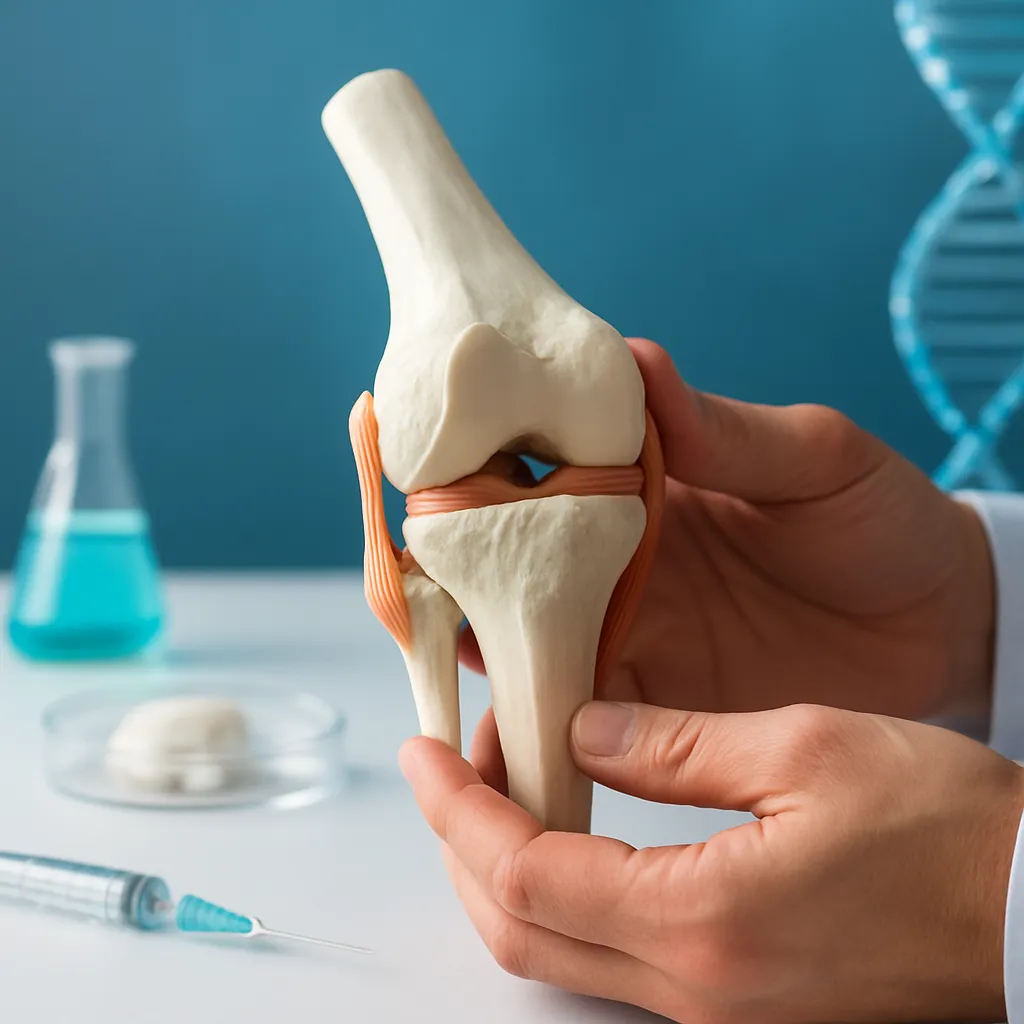



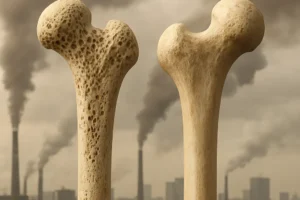



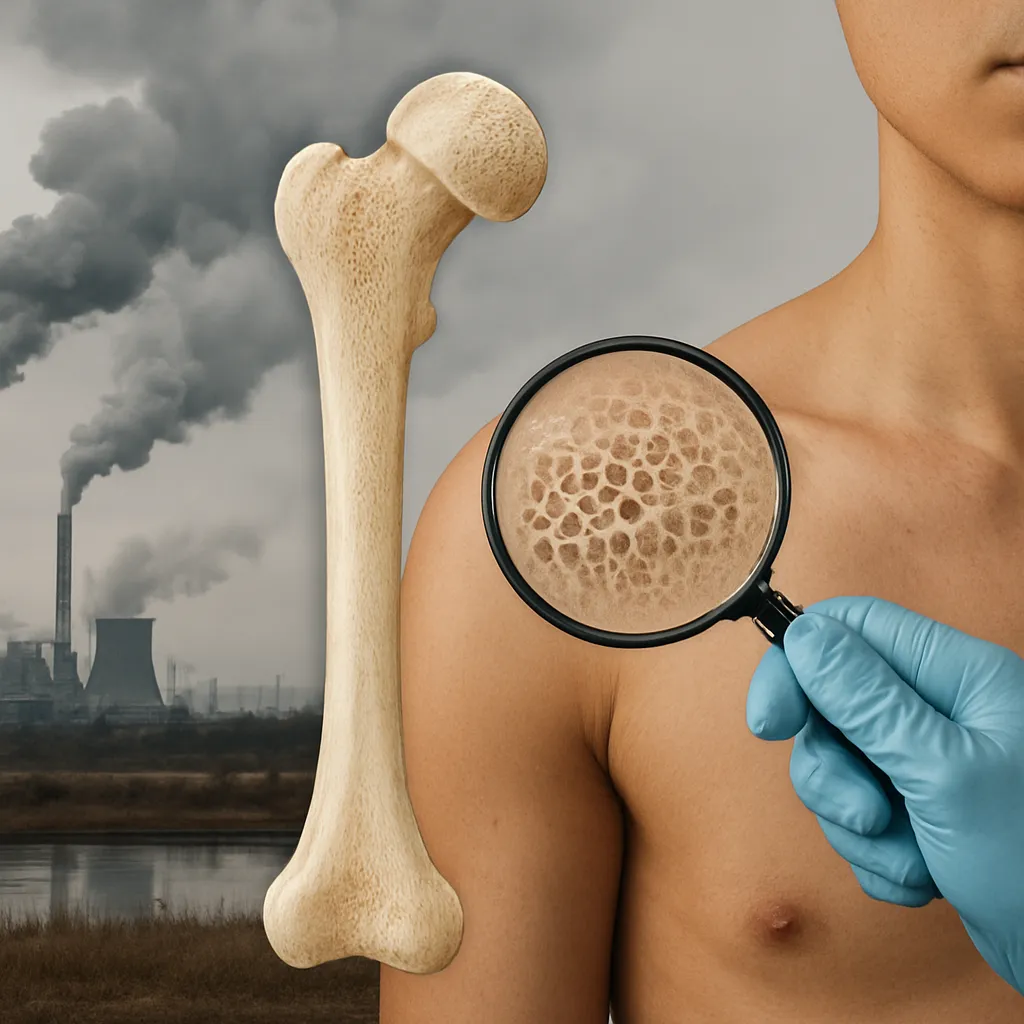
The intricate interplay between environmental factors and human physiology extends to the skeletal system, where various contaminants can disrupt normal bone development and maintenance. Exposure to pollutants from air, water, soil, and consumer products has raised concern among researchers and clinicians studying bone health. This article explores the mechanisms by which these toxic agents influence bone cells, highlights common culprits in everyday environments, and outlines strategies to mitigate their adverse effects on skeletal growth.
Impact of Pollutants on Cellular Mechanisms
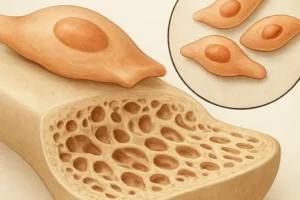
Bone tissue undergoes continuous renewal through a tightly regulated process known as bone remodeling. Two primary cell types, osteoblasts (bone-forming cells) and osteoclasts (bone-resorbing cells), maintain skeletal integrity. Pollutants can disturb this balance by targeting cellular signaling, gene expression, and mineral deposition.
Endocrine Disruption and Hormonal Imbalance
Certain chemicals mimic or block natural hormones, earning the label of endocrine disruptors. These agents interfere with estrogen, thyroid hormone, and vitamin D pathways, all critical regulators of bone growth and density.
- Bisphenol A (BPA) can bind estrogen receptors, altering osteoblast differentiation and reducing bone mineral density.
- Phthalates impair thyroid hormone synthesis, which is essential for growth plate maturation in children.
- Persistent organic pollutants (POPs) like dioxins inhibit vitamin D activation, weakening calcium absorption.
Oxidative Stress and Inflammatory Cascades
Many environmental toxins generate reactive oxygen species (ROS), leading to cellular damage. Excessive ROS triggers pro-inflammatory cytokines, such as TNF-α and IL-6, which promote osteoclastogenesis and accelerate bone resorption.
- Heavy metals, including lead and cadmium, induce mitochondrial dysfunction and amplify oxidative pathways in bone cells.
- Airborne particulate matter (PM2.5) elevates systemic inflammation, disrupting the bone microenvironment.
Common Environmental Toxins and Their Effects
Numerous pollutants have been implicated in compromised bone health. Their prevalence in industrial sites, agricultural zones, and urban centers underscores the widespread risk.
Heavy Metals
- Lead: Even low-level exposure accumulates in bone, replacing calcium ions and weakening the hydroxyapatite matrix. Childhood exposure correlates with reduced peak bone mass.
- Cadmium: Found in contaminated water and tobacco smoke, cadmium stimulates osteoclast activity and inhibits osteoblast function, leading to osteopenia.
- Mercury: Although primarily neurotoxic, mercury impairs vitamin D receptor expression in osteoblasts.
Organic Pollutants
- Bisphenol A (BPA): Common in plastics, BPA exposure during prenatal and early life stages disrupts skeletal patterning and reduces trabecular bone volume.
- Phthalates: Used as plasticizers, phthalates alter PPAR pathways, impairing mesenchymal stem cell differentiation toward the osteogenic lineage.
- Polychlorinated biphenyls (PCBs): Persistent in the environment, PCBs hinder calcium transport in bone cells and exacerbate age-related bone loss.
Air Pollutants
Inhalation of diesel exhaust, ozone, and fine particles has systemic effects beyond the lungs. Endothelial dysfunction and systemic inflammation triggered by these pollutants can impair nutrient delivery to bone tissue and slow down repair mechanisms.
- Particulate matter increases oxidative markers in serum, correlating with decreased serum osteocalcin, a marker of bone formation.
- Ozone exposure has been linked to suppressed expression of alkaline phosphatase in osteoblast cultures.
Preventive Strategies and Future Directions
Addressing the impact of environmental pollutants on bone health requires a combination of public policy, community action, and individual measures. Ongoing research is also crucial to uncover novel biomarkers and therapeutic targets.
Regulatory and Community Measures
- Enforce stricter emissions standards to reduce airborne particulates and heavy metal deposition.
- Phase out harmful plasticizers in consumer products and encourage the use of safer alternatives.
- Monitor drinking water for heavy metal contamination and implement remediation strategies in affected regions.
Clinical Interventions
- Screen high-risk populations (e.g., children in industrial areas) for early signs of reduced bone mineral density and exposure biomarkers.
- Supplement diets with antioxidants, such as vitamin C and E, to counteract ROS in bone tissue.
- Encourage weight-bearing exercise, which promotes osteoblast activity and enhances bone remodeling.
Research and Innovation
Future studies should focus on developing sensitive assays for detecting trace amounts of toxins in biological samples and investigating genetic factors that influence individual susceptibility. Advanced imaging techniques will enable real-time monitoring of pollutant effects on the growth plate and cortical bone.
- Identify molecular inhibitors that block pollutant-induced signaling in osteoclast precursors.
- Explore gene-environment interactions to design personalized prevention strategies.