

Effective management of chronic pain following bone surgery requires a comprehensive understanding of physiological mechanisms, targeted pharmacological therapies, and integrative rehabilitation techniques. This article explores evidence-based strategies to optimize patient outcomes and enhance long-term functional recovery.
Understanding Pathophysiology and Pain Mechanisms
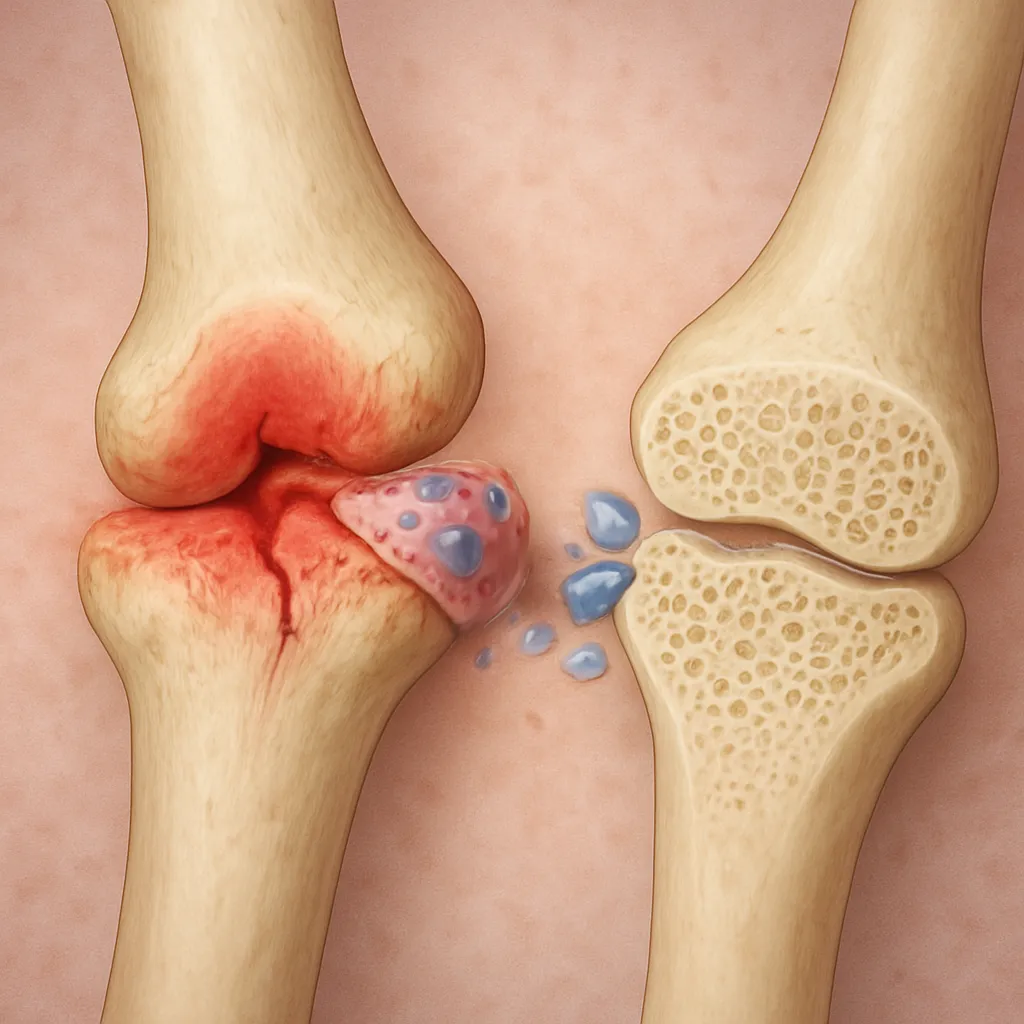
Chronic pain after bone surgery often arises from complex interactions between peripheral tissue damage, central sensitization, and prolonged inflammatory responses. Surgical interventions such as osteotomy, internal fixation, or joint arthroplasty provoke an acute inflammatory cascade mediated by prostaglandins, cytokines, and growth factors. When unresolved, this process leads to neuroplasticity changes within the dorsal horn of the spinal cord and higher cortical centers, resulting in heightened pain perception and hyperalgesia.
Key factors contributing to persistent pain include:
- Inflammation: Sustained release of inflammatory mediators can sensitize nociceptors and exacerbate tissue damage.
- Peripheral nerve injury: Surgical trauma may cause direct axonal damage, neuroma formation, or entrapment syndromes.
- Central sensitization: Alterations in spinal neurotransmitter balance (e.g., glutamate and substance P) heighten synaptic transmission and expand receptive fields.
- Psychosocial influences: Anxiety, depression, and maladaptive coping strategies can amplify subjective pain intensity.
Pharmacological Strategies for Analgesia
A multimodal pharmacotherapy approach aims to achieve opioid-sparing analgesia while addressing various pain pathways. Combining medications with different mechanisms reduces individual drug dosages and minimizes adverse effects.
Non-Opioid Analgesics
- NSAIDs (e.g., ibuprofen, celecoxib): Inhibit cyclooxygenase enzymes to reduce prostaglandin-mediated pain and inflammation.
- Acetaminophen: Modulates central prostaglandin synthesis and may augment NSAID efficacy.
- Gabapentinoids (gabapentin, pregabalin): Block voltage-gated calcium channels in dorsal horn neurons, reducing neuropathic pain components.
Opioid and Adjuvant Therapies
- Opioids: Reserved for moderate-to-severe pain; careful titration and monitoring are essential to prevent tolerance and dependence.
- NMDA receptor antagonists (e.g., ketamine): Attenuate central sensitization by inhibiting excitatory neurotransmission.
- Antidepressants (e.g., duloxetine, amitriptyline): Modulate descending inhibitory pathways and can improve mood-related aspects of chronic pain.
- Topical agents (e.g., lidocaine patches, capsaicin): Provide localized analgesia with minimal systemic exposure.
Interventional and Minimally Invasive Techniques
When conservative measures fail, targeted procedures can provide significant relief by interrupting nociceptive signals or modulating neural pathways.
Regional Anesthesia and Nerve Blocks
- Peripheral nerve blocks: Ultrasound-guided femoral, sciatic, or popliteal nerve blocks can deliver prolonged analgesia during the acute postoperative period.
- Continuous catheter infusion: Perineural catheters with local anesthetic infusions may extend regional pain control for several days.
Pulsed Radiofrequency and Neurostimulation
- Pulsed radiofrequency: Applies intermittent electrical fields to modulate nociceptive transmission at the dorsal root ganglion without causing tissue destruction.
- Peripheral nerve stimulation: Implanted electrodes deliver low-intensity currents to inhibit pain through the gate control mechanism.
- Spinal cord stimulation: Indicated for refractory neuropathic pain, this technique activates dorsal column fibers to disrupt pain signaling.
Non-Pharmacological and Rehabilitation Approaches
An integrative rehabilitation program addresses physical, psychological, and social dimensions of chronic pain. Early mobilization and tailored therapies promote tissue healing and functional restoration.
Physical Therapy and Exercise
- Graded activity: Progressive loading protocols help restore strength and range of motion while minimizing flare-ups.
- Hydrotherapy: Buoyancy-assisted exercises reduce joint stress and facilitate movement in early recovery.
- Manual therapy: Soft tissue mobilization and joint manipulation can alleviate muscle tension and improve circulation.
Psychoeducational and Behavioral Interventions
- Cognitive-behavioral therapy (CBT): Equips patients with coping strategies to reframe negative thoughts about pain and enhance self-efficacy.
- Mindfulness-based stress reduction: Meditation and breathing exercises decrease sympathetic overactivity and improve pain tolerance.
- Biofeedback: Real-time monitoring of physiological signals (e.g., muscle tension) trains voluntary control over stress-related responses.
Multidisciplinary Collaboration and Outcome Measures
Optimal chronic pain management after bone surgery necessitates collaboration among surgeons, anesthesiologists, pain specialists, physiotherapists, and mental health professionals. Regular assessment using standardized outcome measures ensures treatment efficacy and timely adjustments.
- Numeric Rating Scale (NRS) and Visual Analog Scale (VAS) for pain intensity.
- Functional questionnaires (e.g., WOMAC for joint procedures, ODI for spine surgery).
- Quality of life instruments (e.g., SF-36) to evaluate overall well-being.
- Medication usage logs to monitor opioid consumption and guide tapering protocols.
By integrating targeted pharmacotherapy, advanced interventional techniques, and personalized rehabilitation, clinicians can effectively address chronic pain in post-bone surgery patients, foster durable recovery, and restore patient independence.