




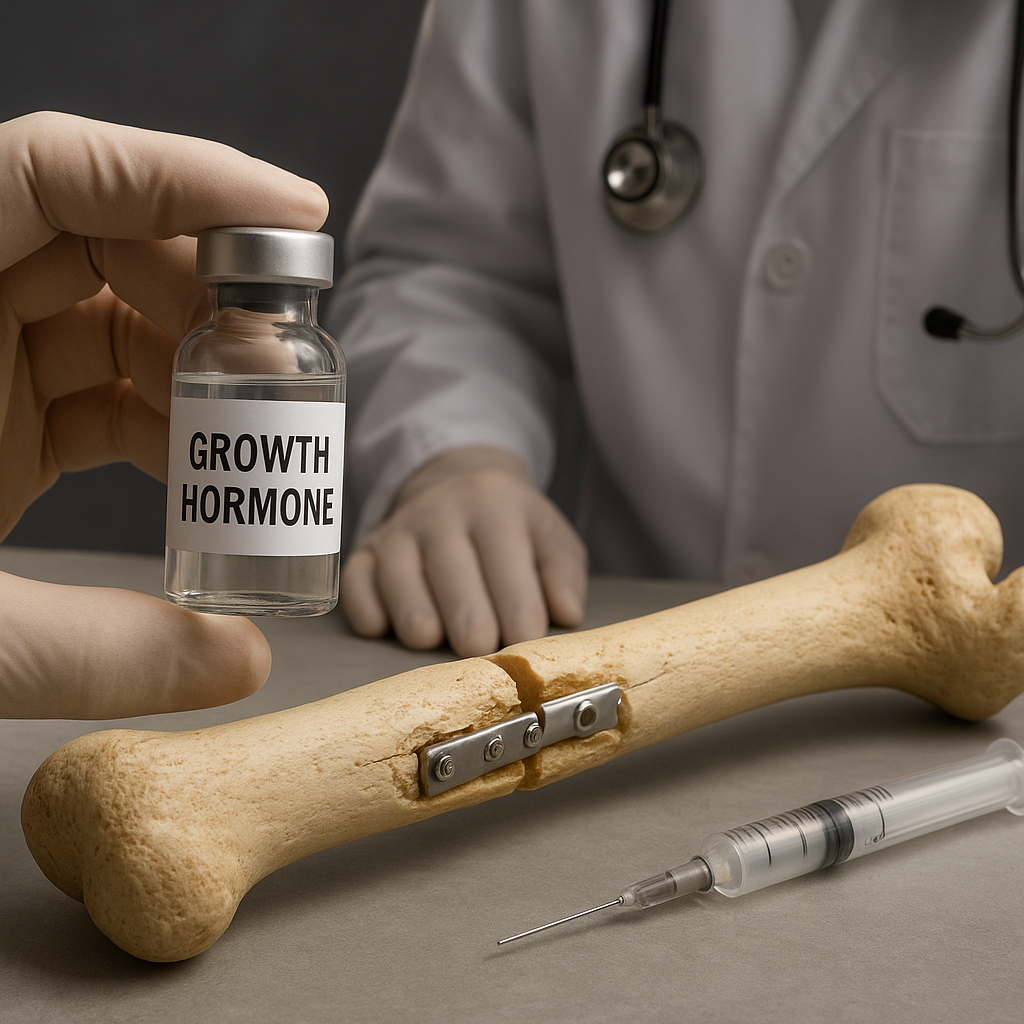
Understanding the complex interplay between hormones and skeletal tissues reveals significant opportunities for enhancing bone repair. The Use of Growth Hormone in Bone Healing has emerged as a promising strategy to accelerate fracture recovery, improve bone density, and optimize functional outcomes. This article explores key mechanisms, clinical evidence, experimental findings, and future directions of applying growth hormone therapy in orthopedic medicine.
Mechanisms of Growth Hormone in Bone Repair
Cellular and Molecular Actions
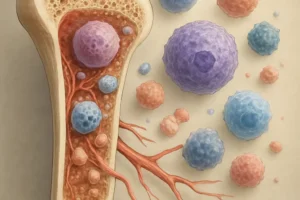
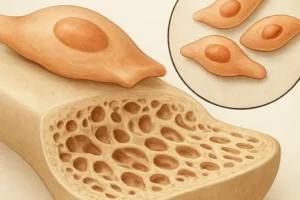
Growth hormone (GH) exerts potent anabolic effects on bone through direct and indirect pathways. GH binds to its receptor on osteoblasts, stimulating the JAK2/STAT5 signaling cascade. This cascade upregulates osteogenesis markers such as alkaline phosphatase and osteocalcin. In parallel, GH enhances the production of insulin-like growth factor 1 (IGF-1) in the liver and locally within the bone matrix. IGF-1 promotes cellular proliferation, differentiation, and collagen synthesis, essential for callus formation.
Angiogenesis and Extracellular Matrix Remodeling
Effective bone healing requires robust vascularization to supply nutrients and oxygen. GH and IGF-1 synergistically stimulate endothelial cell migration and tube formation, facilitating neovascularization at the fracture site. Additionally, GH modulates matrix metalloproteinases (MMPs), balancing the degradation and deposition of the extracellular matrix. This dynamic remodeling ensures a stable scaffold for mineral deposition and regeneration of healthy bone tissue.
Clinical Applications and Treatment Protocols
Systemic versus Local Delivery
Two primary approaches exist for GH administration in fracture management:
- Systemic injection ensures widespread endocrine effects, increasing serum GH and IGF-1 levels. This approach benefits patients with delayed union or nonunion due to systemic deficiencies.
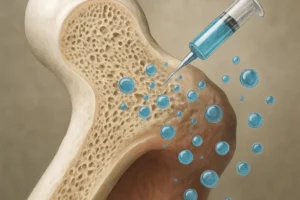
- Local delivery, via biodegradable scaffolds or hydrogels impregnated with GH, yields high concentrations at the injury site while minimizing systemic exposure. Controlled-release formulations maintain therapeutic doses for weeks, supporting continuous bone formation.
Dosing Strategies and Timing
Optimal dosing remains under investigation, but clinical trials suggest daily subcutaneous injections of 0.1–0.2 IU/kg GH for 4–8 weeks post-fracture. Early initiation within 7 days of injury appears critical to influence the inflammatory and reparative phases. Careful titration avoids adverse events such as fluid retention, hyperglycemia, and joint pain.
Evidence from Clinical Trials and Case Studies
Advances in Fracture Healing
Multiple randomized controlled trials have evaluated GH therapy in patients with tibial and femoral fractures. In one multicenter study, GH-treated subjects demonstrated a 30% reduction in time to radiographic union compared with placebo. Bone mineral density (BMD) at the callus region increased by over 20%, and histomorphometric analysis revealed a higher percentage of lamellar bone, indicating improved bone quality.
Treatment of Osteoporotic Fractures
Osteoporosis presents a challenge by impairing the biological environment necessary for effective healing. GH supplementation in elderly patients with vertebral compression fractures led to enhanced BMD and decreased pain scores. Functional assessments showed accelerated return to mobility, reducing the risk of secondary complications such as deep vein thrombosis and muscle atrophy.
Insights from Preclinical and Experimental Research
Animal Models of Bone Injury
Rodent and canine models have provided valuable insights into GH-mediated bone repair. In a rat femoral defect model, local delivery of GH-loaded microspheres increased callus volume and biomechanical strength by 40%. Histological staining confirmed higher osteoblast numbers and reduced fibrous tissue formation. Large animal studies corroborated these findings, setting the stage for translational approaches.
Combination Therapies
Synergistic effects arise when GH is combined with other bone-healing agents:
- Bone morphogenetic proteins (BMPs): Co-delivery with GH enhances osteoinduction and the recruitment of mesenchymal stem cells.
- Platelet-rich plasma (PRP): GH and PRP together stimulate angiogenesis and accelerate transition from cartilaginous callus to mineralized bone.
- Biomaterial scaffolds: Incorporating GH into calcium phosphate ceramics supports sustained release and structural support.
Challenges, Safety, and Future Perspectives
Potential Adverse Effects and Monitoring
While GH therapy offers substantial benefits, safety concerns include glucose intolerance, joint swelling, and increased intracranial pressure. Regular monitoring of blood glucose, electrolytes, and clinical signs is essential. Dose adjustments may mitigate side effects without compromising therapeutic efficacy.
Biotechnological Innovations
Advances in gene therapy and bioengineering pave the way for novel GH delivery systems. Viral vectors carrying the GH gene can achieve sustained local expression within the fracture milieu. Nanoparticle-based carriers, responsive to pH or enzymatic triggers, promise on-demand release aligned with the stages of bone healing. These technologies aim to maximize anabolic actions while minimizing off-target effects.
Translational and Regulatory Considerations
Bridging the gap between bench and bedside demands rigorous safety studies and standardized manufacturing processes. Regulatory agencies require evidence of consistent potency, purity, and controlled release profiles for GH-based products. Collaborative efforts among clinicians, researchers, and industry partners will accelerate the introduction of optimized therapies into clinical practice.