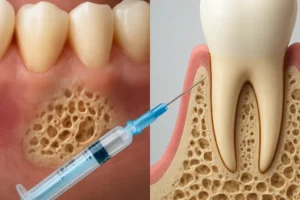
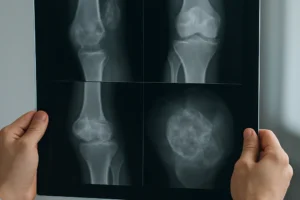
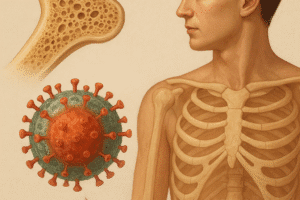
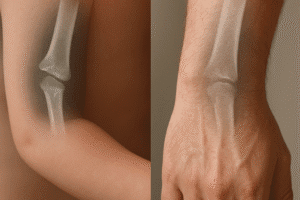


The intricate relationship between micronutrients and bone health has garnered increasing attention in recent years, with zinc emerging as a pivotal element in skeletal development and maintenance. This article delves into the multifaceted contributions of zinc to bone physiology, exploring its biochemical roles, dietary considerations, and clinical significance in both health and disease states.
Importance of Zinc in Skeletal Health
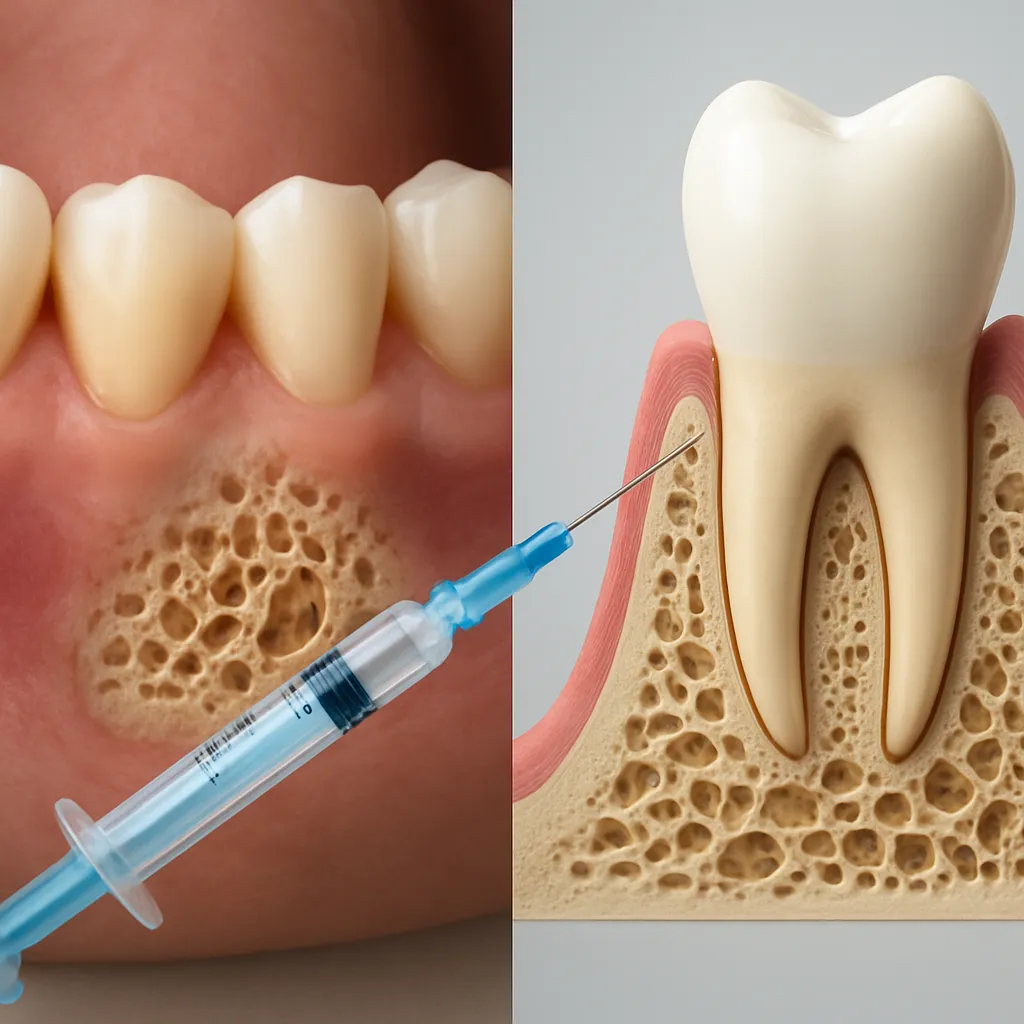
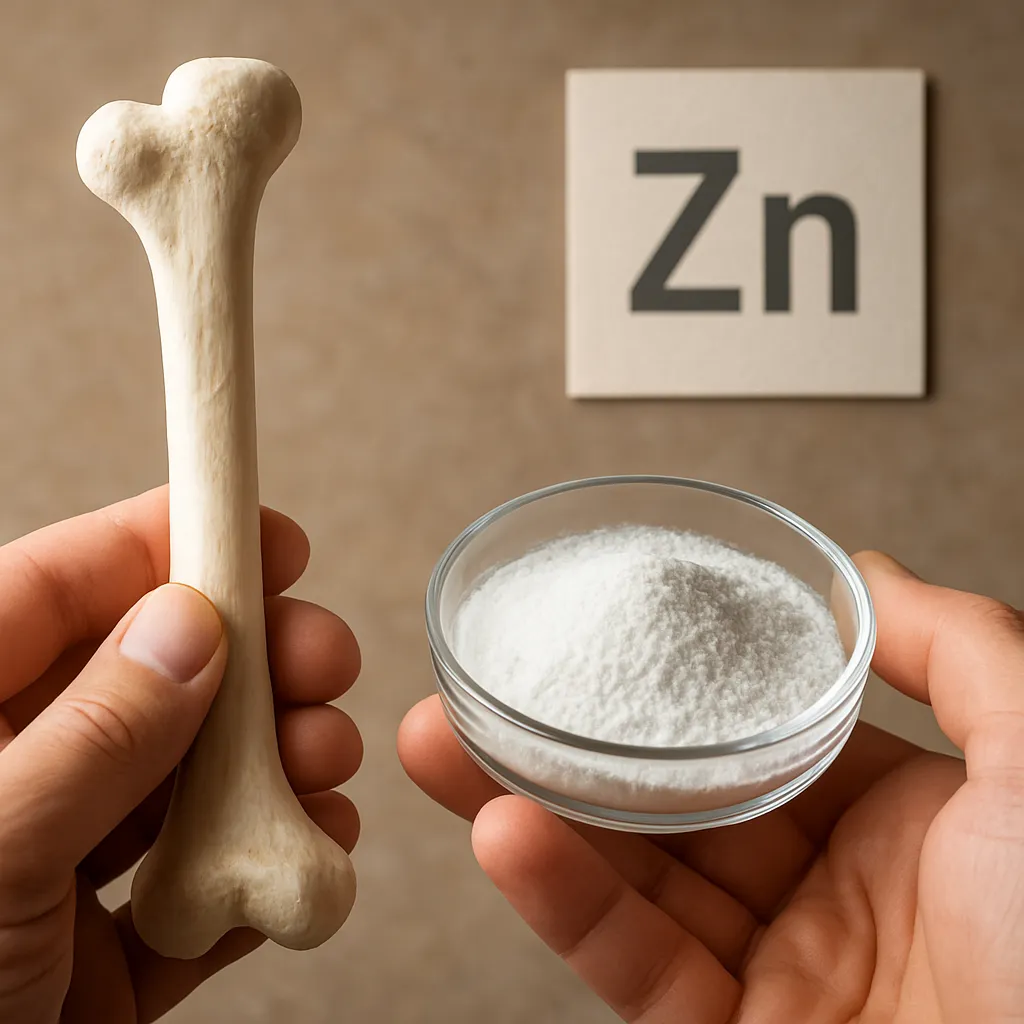
Zinc is a trace element essential for the normal growth and function of various tissues, especially the skeletal system. Although bones primarily comprise calcium and phosphate, zinc contributes significantly to structural and functional integrity. Its presence influences osteoblast proliferation, collagen synthesis, and overall matrix quality. An inadequate supply may compromise bone density, leading to increased fracture risk and delayed healing processes.
Role in Bone Development
- Osteogenesis: Zinc is required for the differentiation of mesenchymal stem cells into osteogenic lineages.
- Matrix Formation: It supports the production and cross-linking of collagen, the primary structural protein in bone.
- Growth Factors: Zinc modulates the activity of growth factors such as IGF-1, which drive skeletal expansion during childhood and adolescence.
Maintenance of Bone Homeostasis
Bone is a dynamic tissue undergoing continuous remodeling, a process tightly controlled by the balance between osteoblast-driven formation and osteoclast-mediated resorption. Zinc contributes to:
- Enzyme Activation: It serves as a cofactor for alkaline phosphatase, an enzyme crucial for mineral deposition.
- Regulation of Osteoclasts: Zinc suppresses osteoclast differentiation and activity, preventing excessive bone breakdown.
- Antioxidant Defense: By enhancing superoxide dismutase activity, zinc mitigates oxidative stress within bone cells, preserving cellular viability.
Molecular Mechanisms of Zinc in Bone Metabolism
At the molecular level, zinc orchestrates a range of processes vital for bone health. Understanding these mechanisms illuminates the pathways through which deficiencies manifest in skeletal pathologies.
Zinc Transporters and Cellular Uptake
Zinc homeostasis within bone cells is regulated by two major transporter families, ZIP (Zrt- and Irt-like proteins) and ZnT (zinc transporters):
- ZIP Family: Facilitates zinc influx into the cytoplasm, increasing intracellular availability for enzymatic reactions.
- ZnT Family: Mediates zinc efflux or sequestration into organelles, preventing cytotoxic accumulation.
Alterations in transporter expression can disrupt bone cell function, highlighting potential therapeutic targets for osteoporosis and fracture healing.
Influence on Gene Expression
Zinc modulates the transcription of genes involved in bone formation and resorption through its role in zinc-finger proteins and transcription factors:
- Runx2: A critical osteogenic transcription factor whose DNA-binding activity depends on zinc coordination.
- MTFs (Metal-Regulatory Transcription Factors): Respond to changes in zinc concentration, adjusting expression of metallothioneins and other protective proteins.
Signal Transduction Pathways
By interacting with signaling cascades, zinc influences cellular responses:
- Wnt/β-Catenin Pathway: Zinc enhances pathway activation, promoting osteoblast differentiation and bone matrix production.
- MAPK Signaling: It modulates mitogen-activated protein kinase activity, affecting proliferation and apoptosis of bone cells.
Dietary Sources and Clinical Implications
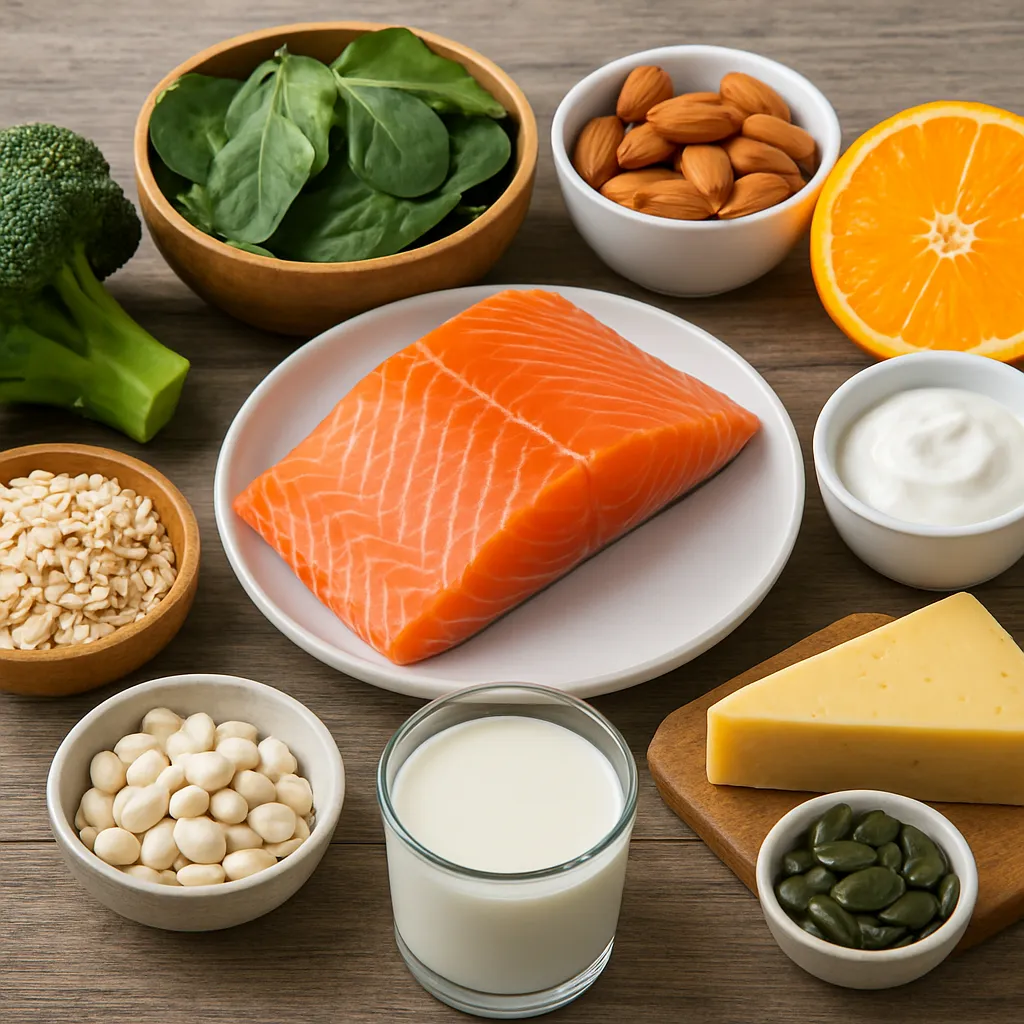
Adequate zinc intake is vital for optimal bone health. Dietary and supplemental strategies must consider both bioavailability and potential interactions with other nutrients.
Natural Sources of Zinc
- Red meat and poultry – high bioavailability due to heme-associated zinc.
- Shellfish, particularly oysters – among the richest sources.
- Legumes and whole grains – contain phytates that may inhibit absorption but contribute significantly in balanced diets.
- Nuts and seeds – provide both zinc and beneficial fatty acids.
Interactions with Other Micronutrients
Zinc absorption can be influenced by:
- Phytates: Present in grains and legumes, they chelate zinc and reduce uptake.
- Copper: Excessive zinc intake may induce copper deficiency by competitive absorption.
- Calcium and Iron: High supplemental doses can impede zinc absorption if not appropriately timed.
Clinical Considerations in Deficiency and Supplementation
Zinc deficiency manifests with impaired bone growth in children, delayed fracture healing in adults, and an elevated risk of osteoporosis in the elderly. Clinical management includes:
- Dietary assessment and correction of deficiency states through nutrient-rich foods.
- Oral supplementation, typically in the form of zinc gluconate or sulfate, under medical supervision to avoid toxicity.
- Monitoring serum zinc levels along with markers of bone turnover to evaluate therapeutic efficacy.
Case Study
A randomized trial involving postmenopausal women demonstrated that daily supplementation with 15 mg of elemental zinc improved bone mineral density over a 12-month period, with significant increases in markers of bone formation and a reduction in resorption indices.
Future Directions in Zinc and Bone Research
Emerging areas of investigation aim to refine our understanding of zinc’s role in skeletal biology and its potential as a therapeutic agent:
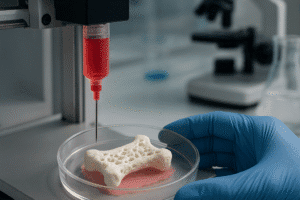
- Nanotechnology: Development of zinc-doped biomaterials for enhanced bone regeneration in scaffold-based therapies.
- Genetic Profiling: Identifying polymorphisms in zinc transporter genes that predispose individuals to bone disorders.
- Personalized Nutrition: Tailoring zinc intake recommendations based on individual metabolic profiles and bone health status.
Conclusion
This exploration underscores zinc’s anabolic and regulatory functions in bone formation, emphasizing the need for balanced intake to support skeletal integrity. Ongoing research continues to reveal novel pathways and clinical strategies that harness zinc’s potential in preventive and restorative bone medicine.