

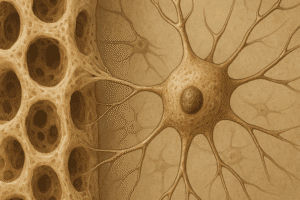
Optimal bone health depends on a complex interplay of micronutrients, macronutrients and lifestyle factors. Understanding how individual elements work together can guide dietary strategies and supplementation to support strong skeletal structure throughout life. This article explores key nutrient interactions, highlights emerging compounds and examines practical approaches to enhance bone density, resilience and overall musculoskeletal function.
Calcium and Vitamin D Synergy
Calcium is the most abundant mineral in bone tissue, providing mechanical strength and structural support. However, efficient calcium utilization requires active vitamin D, which enhances intestinal absorption and regulates serum levels. A deficiency in either component can compromise bone mineralization, increasing the risk of fractures and osteoporosis.
Calcium Bioavailability
Dietary calcium must be absorbed through the small intestine. Factors that influence absorption include:
- Presence of phytates and oxalates, which can bind calcium and reduce uptake
- Gastric acidity, as lower stomach pH improves mineral solubility
- Concurrent intake of magnesium and phosphorus, which compete for transport pathways
Vitamin D Activation and Function
Vitamin D undergoes two hydroxylation steps—in the liver and kidneys—before becoming the hormonally active form, calcitriol. This active form:
- Upregulates calcium transport proteins in enterocytes
- Modulates bone remodeling by influencing osteoblast and osteoclast activity
- Assists in hormonal regulation of parathyroid hormone (PTH), preventing excessive bone resorption
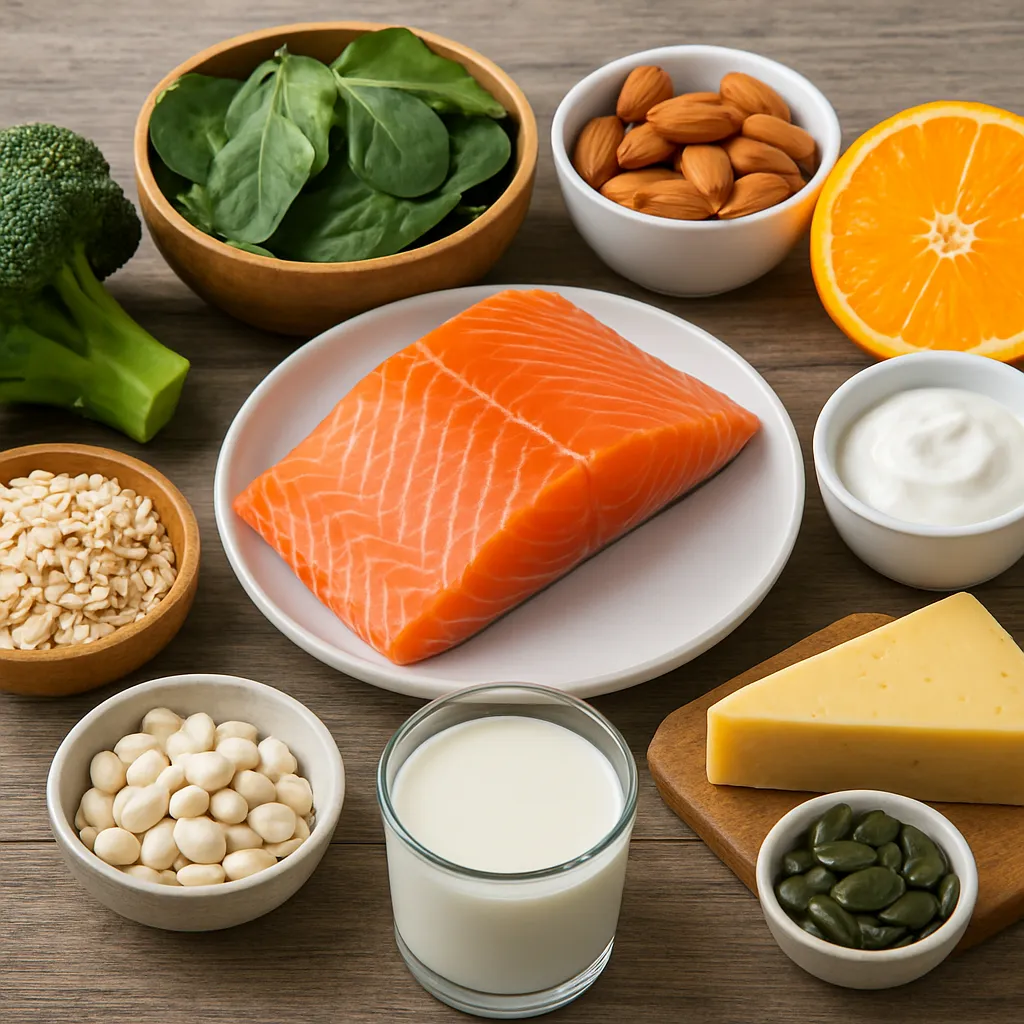
Sources of vitamin D include fatty fish, fortified dairy and sunlight exposure. Combining dietary calcium with adequate vitamin D status is critical for sustainable bone mass accrual.
Protein and Mineral Interactions
Adequate protein intake supports collagen synthesis, the organic matrix that underlies mineral deposition. A low-protein diet limits osteoblast function, whereas excessive protein without sufficient minerals can increase urinary calcium excretion. Balancing protein with micronutrient intake ensures optimal bone turnover and matrix formation.
Collagen Framework and Mineralization
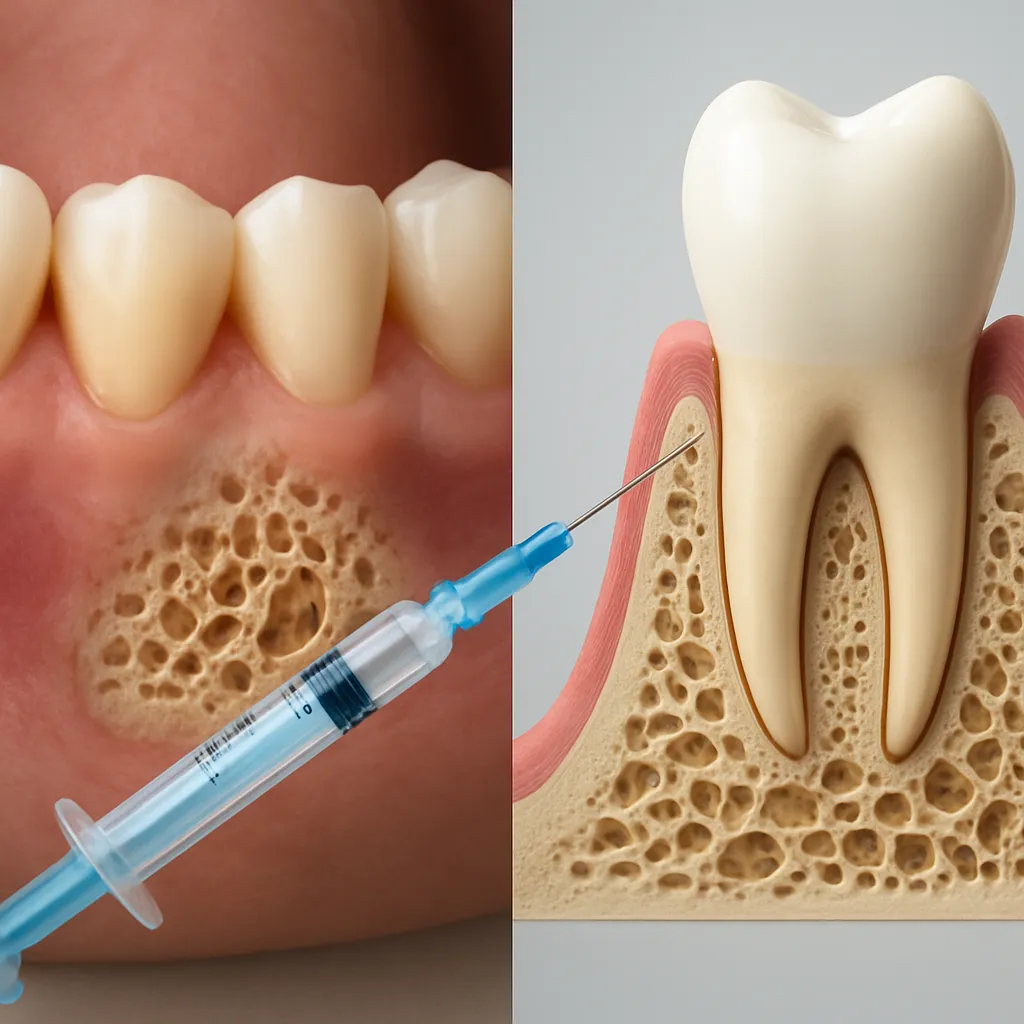
The bone matrix consists of type I collagen fibrils that form a scaffold for hydroxyapatite crystals. Collagen quality depends on essential amino acids such as lysine and proline, making dietary sources like lean meats, dairy, legumes and gelatins valuable. When collagen synthesis is robust, minerals integrate more uniformly, enhancing bone toughness.
Magnesium, Phosphorus and Calcium Balance
Magnesium acts as a cofactor for alkaline phosphatase, an enzyme necessary for mineral deposition. It also influences PTH secretion and the conversion of vitamin D to its active form. Phosphorus, meanwhile, is a key component of hydroxyapatite, but an imbalance (high phosphorus, low calcium) can trigger PTH release and bone resorption.
- High-phosphorus processed foods may undermine calcium retention.
- Magnesium-rich sources include nuts, seeds and whole grains.
- Aiming for a dietary magnesium to calcium ratio close to 1:2 promotes harmony in bone metabolism.
Vitamin K and Bone Matrix Formation
Vitamin K plays a pivotal role in carboxylation of osteocalcin, a non-collagenous protein that binds calcium to the bone matrix. Specifically, vitamin K2 (menaquinone) is more effective than K1 at supporting bone health. Without sufficient vitamin K, osteocalcin remains undercarboxylated and less able to integrate calcium into hydroxyapatite crystals.
Sources and Supplementation
Vitamin K2 is found in fermented foods like natto, certain cheeses and animal products. Emerging research suggests that combining vitamin K2 with vitamin D and calcium yields synergistic benefits for bone density and arterial health.
Mechanistic Insights
Carboxylation reactions facilitated by vitamin K:
- Improve binding affinity of osteocalcin for mineralized bone matrix
- Coordinate with matrix Gla protein to prevent vascular calcification
- Support mechanical loading adaptations by optimizing bone remodeling efficiency
This molecular interplay underscores the importance of a comprehensive nutrient approach rather than isolated supplementation.
Emerging Nutrients and Lifestyle Factors
Beyond classical vitamins and minerals, additional compounds and behaviors contribute to bone integrity. Integrating these elements with resistance training and weight-bearing activity amplifies skeletal strength development.
Omega-3 Fatty Acids and Anti-Inflammatory Effects
Omega-3 fatty acids, particularly EPA and DHA, exhibit anti-inflammatory properties that can mitigate chronic inflammation-driven bone loss. By decreasing cytokine proliferation, omega-3s help maintain a favorable balance between bone formation and resorption.
- Sources include fatty fish, flaxseed and walnuts.
- Aim for at least two servings of oily fish per week or consider a high-quality supplement.
Trace Minerals: Zinc, Copper and Boron
Trace elements support enzymatic processes critical for bone turnover. Zinc is necessary for osteoblast proliferation, copper for collagen cross-linking and boron for enhancing mineral metabolism. A deficiency in any one of these can disrupt matrix synthesis and mineral deposition.
Collagen Peptides and Bone Remodeling
Supplemental collagen peptides may stimulate osteoblastic activity and improve bone mineral density over time. These hydrolyzed proteins provide specific amino acid profiles that boost matrix production and enhance nutrient delivery to bone tissue.
Mechanical Loading and Exercise Synergy
While nutrition lays the biochemical foundation, physical stress through resistance exercise and weight-bearing activities triggers adaptive bone formation. Mechanotransduction pathways convert mechanical loading into cellular signals, increasing osteoblast activity and reinforcing structural integrity.
Practical Recommendations
- Ensure a balanced diet rich in calcium, vitamin D and vitamin K2.
- Include diverse protein sources to support collagen matrix synthesis.
- Incorporate omega-3 fatty acids and trace minerals for holistic mineral metabolism.
- Engage in regular resistance and weight-bearing exercises.
Combining targeted nutrition with dynamic loading provides a robust strategy for long-term bone health and resilience.