

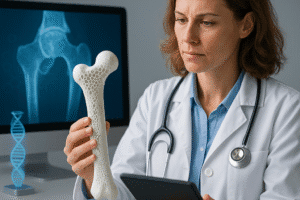
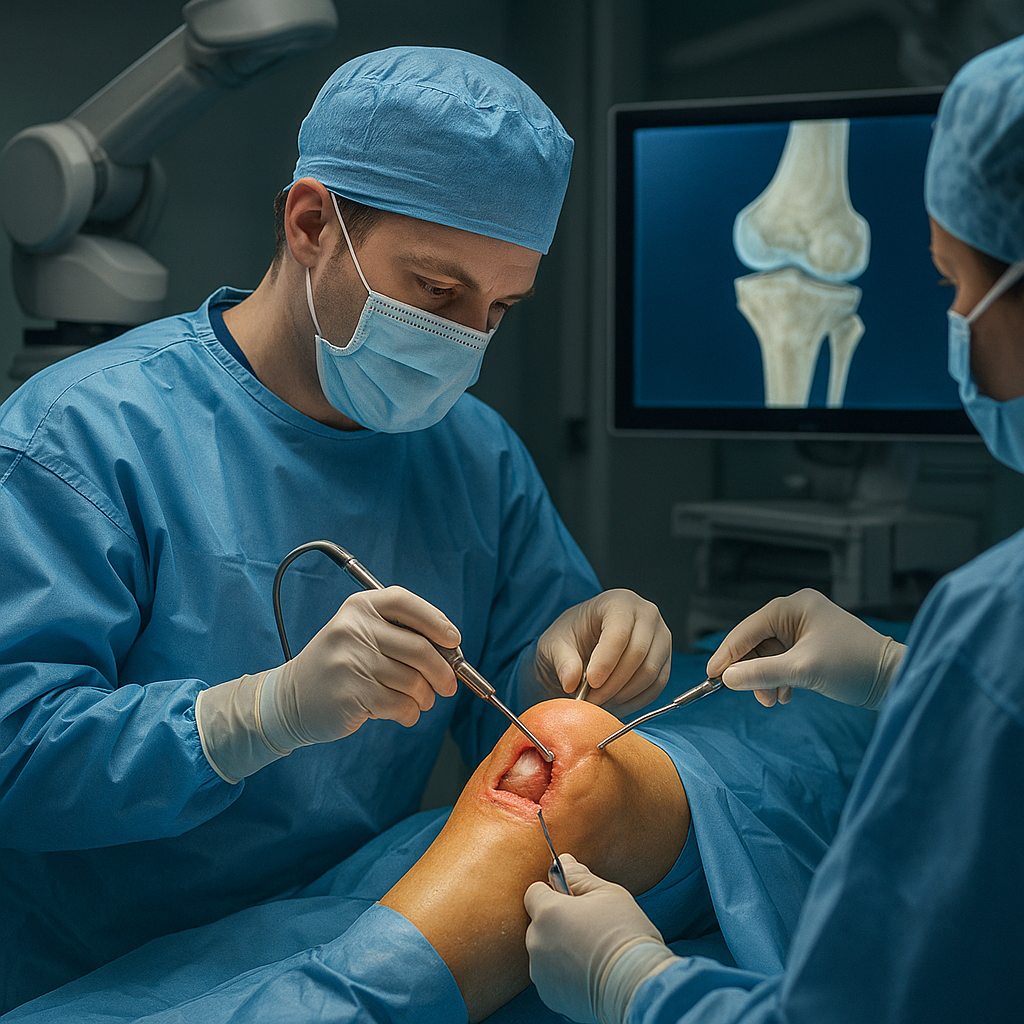
Orthopedic surgery has witnessed remarkable transformations driven by technological innovation and interdisciplinary collaboration. From enhanced diagnostic capabilities to cutting-edge treatment modalities, these advances continue to redefine patient care in the realm of bone and soft tissue repair. This article explores key breakthroughs in preoperative planning, minimally invasive methods, biomaterial science, and visionary tools that promise to shape the future of orthopedic procedures.
Advances in Surgical Planning and Imaging
Preoperative assessment forms the cornerstone of any successful orthopedic intervention. The integration of high-resolution imaging, computer-aided design (CAD), and virtual reality platforms has given rise to more precise and personalized surgical roadmaps. Surgeons can now manipulate three-dimensional reconstructions of bone structures to identify optimal fixation points, plan osteotomies, and anticipate potential complications.
3D Modeling and Patient-Specific Guides
- 3D reconstructions from CT and MRI scans enable creation of patient-specific implants and cutting guides.
- Virtual simulations test multiple scenarios, reducing intraoperative time and blood loss.
- Customized jigs ensure accurate alignment in joint replacements and corrective osteotomies.
Augmented Reality for Intraoperative Navigation
Augmented reality (AR) overlays critical anatomical landmarks onto the surgical field, enhancing orientation and avoiding vital structures. Hands-free displays project holographic images of bone contours, allowing for:
- Real-time adjustments to implant positioning
- Enhanced accuracy in screw placement
- Improved educational experiences for surgical trainees
Minimally Invasive and Robotic-Assisted Techniques
The shift towards less invasive approaches aims to minimize tissue disruption, accelerate recovery, and reduce postoperative pain. Robotics and specialized instruments facilitate unparalleled precision, especially in complex reconstructions.
Robotic-Assisted Joint Arthroplasty
Robotic platforms integrate preoperative imaging data with real-time feedback from intraoperative sensors. This synergy enables surgeons to perform:
- Exact bone cuts within sub-millimeter tolerances
- Optimal implant alignment based on each patient’s anatomy
- Continuous haptic guidance that limits deviation from the planned trajectory
Endoscopic and Percutaneous Techniques
Minimally invasive endoscopic tools allow visualization and repair of fractures, tendon injuries, and joint pathology through small portals. Benefits include:
- Reduced risk of infection
- Smaller skin incisions and less scarring
- Quicker return to function, particularly in athletic populations
Biomaterials and Regenerative Strategies
Modern orthopedic research extends beyond mechanical repair to include biological enhancement of healing. The application of biomaterials, nanotechnology, and regenerative medicine holds promise for restoring native tissue properties and function.
Next-Generation Bone Grafts
- Composite scaffolds combining ceramics, polymers, and biologic factors support osteoconduction and osteoinduction.
- Embedded growth factors such as BMP-2 enhance recruitment of mesenchymal stem cells.
- Porous architectures mimic cancellous bone, promoting vascular ingrowth and rapid remodeling.
Stem Cell Therapies and Gene Editing
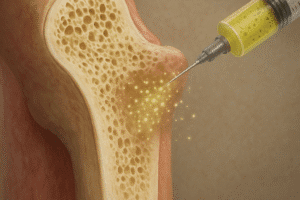
Autologous mesenchymal stem cells, harvested from bone marrow or adipose tissue, can differentiate into osteoblasts and chondrocytes at injury sites. Genetic engineering techniques like CRISPR/Cas9 enable targeted upregulation of key regenerative pathways, potentially addressing:
- Non-union fractures resistant to conventional grafting
- Osteoarthritis through cartilage regeneration
- Complex multi-tissue defects requiring coordinated healing
Future Directions and Emerging Technologies
Looking ahead, the convergence of digital health, advanced manufacturing, and biomolecular science promises to further elevate the standard of care in orthopedics. Several pioneering approaches are currently under investigation.
4D Printing of Adaptive Implants
By integrating smart polymers capable of shape change, sensors, and drug reservoirs, 4D printing aims to produce implants that evolve dynamically within the body. These adaptive devices could respond to biomechanical loads, deliver localized therapeutics, and support real-time monitoring.
Nanorobotics for Targeted Therapy
Engineered nanoparticles and microscopic robots may one day navigate through the vascular system to deliver growth factors, antibiotics, or gene-editing agents directly to injured bone. Potential applications include:
- Targeted eradication of biofilm in orthopedic infections
- Localized stimulation of osteogenesis in critical-size defects
- Minimization of systemic side effects
Artificial Intelligence in Clinical Decision Support
Machine learning algorithms trained on vast clinical datasets can assist surgeons in risk stratification, implant selection, and postoperative management. AI-driven platforms may recommend:
- Predictive models for fracture healing outcomes
- Custom rehabilitation protocols based on patient-specific metrics
- Early warning systems for potential hardware failure
As technology continues to evolve, the synergy between engineering, biology, and clinical expertise will drive further breakthroughs, ultimately improving the quality of life for patients with musculoskeletal disorders.