
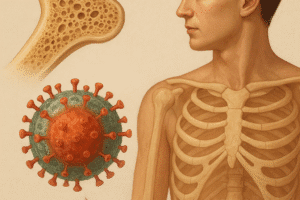


Obesity represents a complex metabolic condition that extends its impact beyond the cardiovascular and endocrine systems, significantly affecting bone health. Excess adipose tissue alters the interplay between mechanical loading, hormonal signaling, and cellular dynamics, leading to unexpected shifts in bone strength and integrity. Understanding these multifaceted relationships is crucial for clinicians and researchers aiming to mitigate the skeletal consequences of obesity and to design targeted therapies that preserve or enhance bone quality.
Impact of Adipose Tissue on Bone Metabolism
Adipose tissue serves as an active endocrine organ, secreting numerous factors that modulate skeletal homeostasis. Two of the most studied adipokines, leptin and adiponectin, exert opposing influences on MSC differentiation—the process by which mesenchymal stem cells commit to osteoblast or adipocyte lineages. Elevated leptin levels in obesity often lead to central nervous system–mediated signals that might favor bone formation, yet peripheral leptin resistance can blunt this beneficial effect, resulting in inconsistent outcomes in bone density. Conversely, reduced adiponectin, commonly observed in obese individuals, is associated with impaired osteoblast function and increased adipogenesis within the bone marrow cavity.
Inflammatory mediators, including tumor necrosis factor-alpha and interleukin-6, are produced in greater quantities by hypertrophied adipocytes. These cytokines enhance osteoclastogenesis, promoting bone resorption over formation. The chronic low-grade inflammation characteristic of obesity thus shifts the remodeling balance, compromising structural integrity and increasing fracture susceptibility despite normal or elevated bone mass readings.
Mechanical Loading and Fracture Risk
Historically, higher body weight was presumed to confer protective mechanical loading, stimulating bone formation via the mechanostat theory. However, the type and distribution of adipose tissue significantly modify these effects. Central obesity, characterized by visceral fat accumulation, exerts less beneficial mechanical stress on peripheral skeleton regions compared to subcutaneous fat. Moreover, the increased risks of falls and impaired balance common in obese populations further exacerbate fracture incidence.
- Biomechanical alterations: Excess weight can change gait patterns, increasing joint loading and microdamage accumulation.
- Muscle weakness: Sarcopenic obesity reduces muscular support, elevating the risk of falls and subsequent fractures.
- Bone geometry: High fat mass correlates with unfavorable changes in cortical thickness and cross-sectional area, undermining structural resilience.
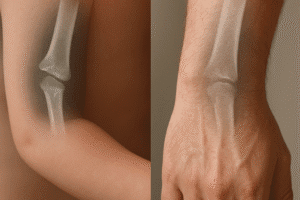
Recent imaging studies using high-resolution peripheral quantitative computed tomography (HR-pQCT) reveal that despite elevated areal bone mineral density (aBMD) in obesity, bone microarchitecture may be compromised, with reduced trabecular number and connectivity. These findings underscore the importance of integrating biomechanics and microstructural analyses in fracture risk assessments.
Inflammatory Mediators and Bone Remodeling
The interplay between obesity-linked inflammation and bone remodeling involves a network of cells and signaling pathways. Adipose-derived macrophages secrete pro-inflammatory cytokines that amplify osteoclast activity through receptor activator of nuclear factor kappa-Β ligand (RANKL) signaling. Elevated RANKL/osteoprotegerin ratios favor bone resorption, facilitating localized bone loss.
Role of Oxidative Stress
Reactive oxygen species (ROS) generated in conditions of metabolic stress impair osteoblast differentiation and viability. Chronic oxidative stress activates nuclear factor erythroid 2–related factor 2 (Nrf2) pathways, disrupting normal bone formation and promoting apoptosis of bone-forming cells. Antioxidant defenses in obese individuals are often depleted, further tilting the remodeling balance toward catabolism.
Endocrine Disruptions
Obesity influences endocrine regulators of bone, including insulin, cortisol, and sex steroids. Hyperinsulinemia can stimulate osteoblast proliferation but may also induce insulin resistance in bone tissue. Excess cortisol—whether endogenously produced due to stress or exogenously administered—accelerates bone resorption and inhibits osteoblasts. Furthermore, obesity-related hypogonadism reduces the protective effects of estrogen and testosterone on bone mass, enhancing vulnerability to osteoporosis.
Clinical Implications and Future Directions
Recognizing obesity as a significant risk factor for skeletal fragility is imperative for developing comprehensive management strategies. Weight loss interventions, while beneficial for metabolic health, must be carefully balanced against potential bone loss. Incorporating resistance training and adequate protein intake can mitigate lean mass and bone density reductions during caloric restriction.
Pharmacological approaches targeting the adipokine network hold promise. Modulators of leptin signaling, adiponectin analogs, and RANKL inhibitors are under investigation for their dual benefits on metabolic and skeletal outcomes. Additionally, anti-inflammatory therapies aimed at reducing adipose-driven cytokine production may preserve bone integrity in obese patients.
- Personalized medicine: Genomic and metabolomic profiling could identify individuals at highest risk for obesity-related bone disease, allowing tailored interventions.
- Advanced imaging: Integration of HR-pQCT and magnetic resonance imaging (MRI) may offer superior fracture risk prediction by assessing microarchitecture and marrow adiposity concurrently.
- Translational research: Animal models exploring the cross-talk between adipose depots and bone cells will provide mechanistic insights to inform clinical trials.
Bridging the gap between obesity management and bone preservation demands multidisciplinary collaboration among endocrinologists, orthopedists, nutritionists, and exercise physiologists. By elucidating the molecular and mechanical pathways linking excess fat to skeletal compromise, the medical community can develop holistic protocols that protect and enhance bone health throughout the lifespan.