
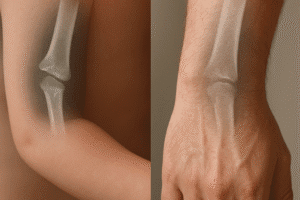


Spaceflight offers an unparalleled opportunity to study human physiology under extreme conditions, particularly the effects of prolonged exposure to microgravity on skeletal health. Astronauts returning from long-duration missions often exhibit significant reductions in bone density, reminiscent of accelerated osteoporosis on Earth. Understanding the underlying mechanisms and developing effective interventions are critical for the safety of crew members on future missions to Mars and beyond.
Physiological Mechanisms of Bone Loss in Microgravity
Under normal gravitational forces, bones constantly remodel through a balance of resorption by osteoclasts and formation by osteoblasts. This process is regulated by mechanical loads, hormonal signals, and nutritional factors. In the absence of gravity’s pull, the skeletal system undergoes profound changes:
Mechanical Unloading and Mechanotransduction
On Earth, daily activities generate forces that stimulate bone cells via mechanical unloading pathways. In space, the reduction of weight-bearing stresses leads to downregulation of critical signaling cascades, such as the Wnt/β-catenin pathway. The disruption of mechanotransduction deprives osteoblasts of stimulatory cues, tipping the balance toward net bone loss.
Altered Cellular Responses
Microgravity alters gene expression profiles in bone marrow stromal cells, skewing differentiation away from osteogenesis and toward adipogenesis. Studies reveal upregulation of PPAR-γ alongside reduced BMP signaling, resulting in fewer bone-forming cells. Concurrently, osteoclast precursors exhibit enhanced maturation, amplifying bone resorption rates.
Calcium Homeostasis Disruption
The body’s regulation of calcium becomes perturbed during spaceflight. Elevated urinary calcium excretion and decreased intestinal absorption strain renal function and increase the risk of nephrolithiasis. Parathyroid hormone (PTH) secretion patterns shift, reflecting the altered skeletal demand for mineral resources.
Clinical Implications and Countermeasures
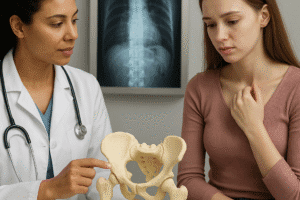
The skeletal deconditioning observed in astronauts parallels early-stage osteoporosis, raising concerns about fracture risk both in orbit and after reentry. Effective countermeasures focus on mechanical, nutritional, and pharmacological strategies to preserve bone mass.
Resistance Exercise Protocols
Resistive devices, such as the Advanced Resistive Exercise Device (ARED), provide high-load stimuli to maintain musculoskeletal integrity. Protocols typically involve:
- Squats and deadlifts generating axial compressive forces
- Dead hangs and lunges to target limb bones
- Plyometric movements to simulate impact loads
Consistent adherence to resistance training mitigates up to 50% of bone loss in key skeletal sites like the lumbar spine and proximal femur.
Nutritional Optimization
A balanced diet enriched in vitamin D, calcium, and protein supports bone remodeling under challenging conditions. Dietary guidelines include:
- 1,000–1,200 mg of elemental calcium daily
- 800–1,000 IU of vitamin D3 to enhance intestinal absorption
- Amino acid supplementation (especially leucine) to stimulate muscle-bone crosstalk
Emerging research explores the role of omega-3 fatty acids and antioxidants in attenuating inflammatory mediators of bone resorption.
Pharmacological Avenues
Pharmacotherapy offers adjunctive protection for high-risk crew members. Agents under investigation or use include:
- Bisphosphonates to inhibit osteoclast activity
- Denosumab targeting RANKL signaling
- Selective estrogen receptor modulators (SERMs) for postmenopausal female astronauts
Early human trials aboard the International Space Station have demonstrated the potential of weekly alendronate dosing to reduce markers of bone turnover.
Research Techniques and Future Directions
Advancements in imaging, biomarker analysis, and in vitro modeling are broadening our understanding of skeletal adaptation to microgravity.
High-Resolution Imaging and Biomarkers
Techniques such as quantitative computed tomography (QCT) and high-resolution peripheral quantitative computed tomography (HR-pQCT) allow precise measurement of cortical and trabecular architecture. Circulating markers—such as C-terminal telopeptide (CTX) and procollagen type I N-terminal propeptide (P1NP)—offer dynamic insights into bone turnover rates during missions.
Organ-on-a-Chip and Cellular Platforms
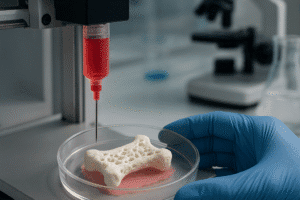
Innovative organ-on-a-chip systems replicate bone marrow microenvironments under simulated microgravity. These platforms facilitate high-throughput screening of therapeutic compounds, enabling rapid assessment of their osteoprotective potential.
Translational Implications for Earth
The lessons learned from spaceflight research translate to terrestrial contexts of disuse and aging. Developing a comprehensive toolkit—encompassing mechanical loading devices, targeted nutrition, and advanced pharmacology—holds promise for combating osteoporosis in at-risk populations.
Emerging Frontiers in Skeletal Health
Future missions to deep space will require integrated countermeasure systems combining wearable loading garments, personalized nutrition regimens, and gene therapy approaches to modulate bone remodeling at the molecular level. Collaborative efforts between space agencies, biomedical researchers, and industry partners are essential to safeguard astronaut skeletal integrity and advance bone medicine as a whole.