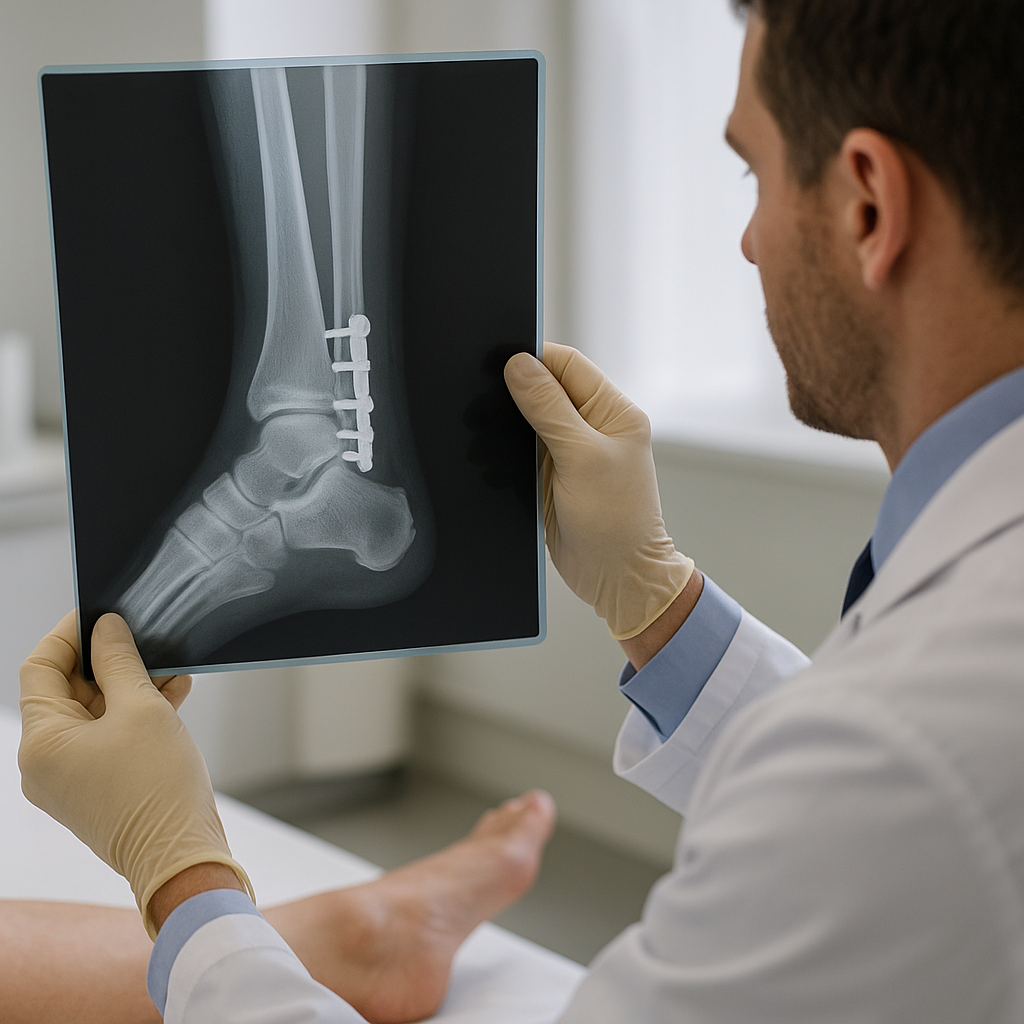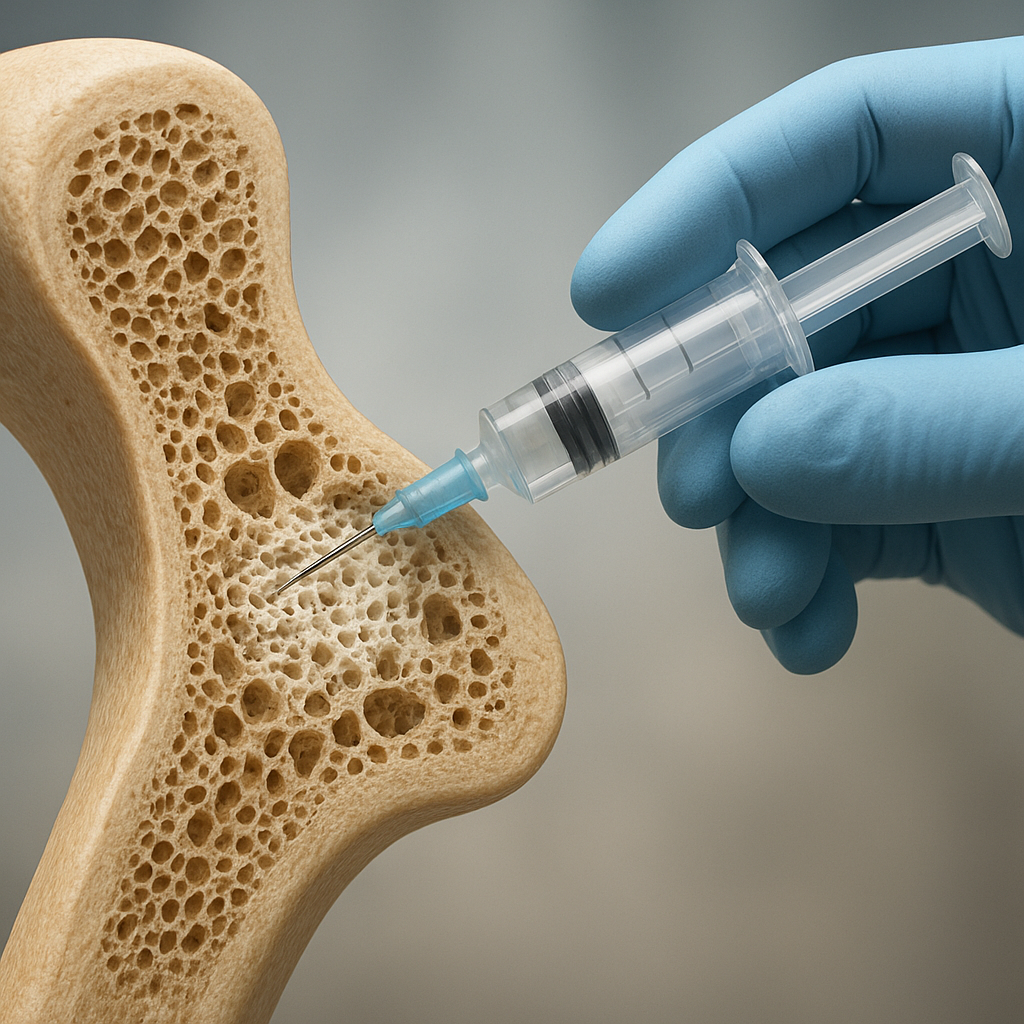
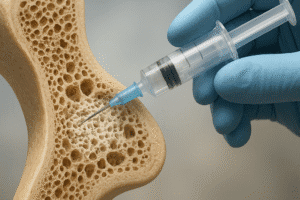


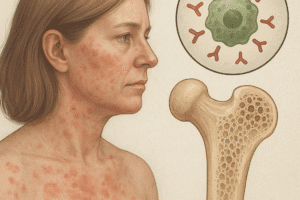
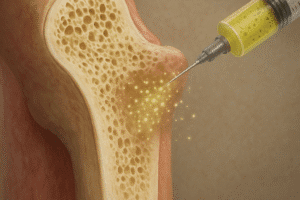

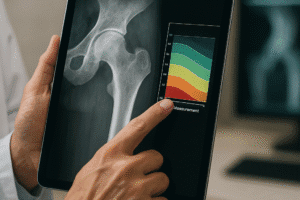
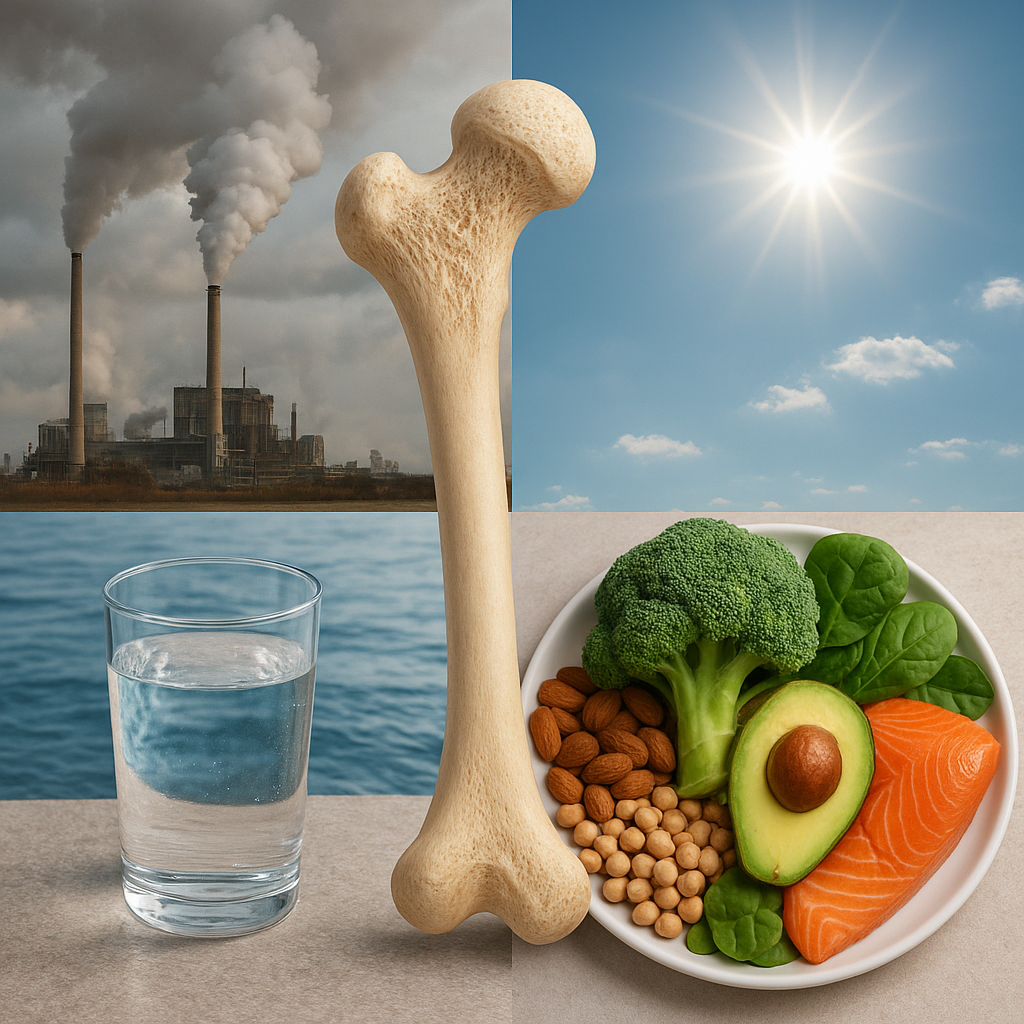
Bone health is a multifaceted subject influenced by a complex interplay of nutritional, physical, and environmental factors. Understanding these influences is essential to prevent disorders such as osteoporosis and fractures. This article explores how **diet**, **lifestyle**, and external **pollutants** affect bone remodeling, strength, and overall skeletal integrity.
Dietary and Nutritional Influences
Optimal bone health depends largely on adequate intake and metabolism of **minerals** and vitamins. A balanced diet supplies critical nutrients, while deficiencies or excesses can disrupt the precise processes of bone formation and resorption.
Mineral Requirements
- Calcium: The primary mineral in bone matrix. A daily intake of 1,000–1,200 mg in adults is recommended to maintain bone mass.
- Phosphorus: Works in tandem with calcium, though excessive dietary phosphorus (often from phosphates in processed foods) can lead to calcium losses.
- Magnesium: Influences the secretion of parathyroid hormone (PTH) and the activation of vitamin D; low levels are linked to decreased bone density.
- Trace elements such as zinc, copper, and manganese act as cofactors for enzymes involved in collagen synthesis and mineralization.
Vitamin D and Hormonal Regulation
Vitamin D, synthesized in the skin upon UVB exposure or obtained through diet, is essential for efficient **calcium absorption**. Insufficient levels lead to hypocalcemia, increased PTH, and bone demineralization. Hormones such as estrogen and testosterone also modulate bone turnover. Postmenopausal estrogen decline accelerates osteoclastic activity, heightening the risk of **osteoporosis**.
Physical Activity and Lifestyle Parameters
Regular mechanical loading and muscular contractions stimulate osteoblast activity and enhance bone mass. Conversely, sedentarism and certain lifestyle habits can undermine skeletal resilience.
Mechanical Loading and Exercise
- Weight-bearing exercises (e.g., walking, jogging, dancing) promote bone formation, particularly in the hips and spine.
- Resistance training increases muscle strength and bone density by generating tensile stress that stimulates osteogenesis.
- High-impact sports carry a risk of fracture if not balanced with proper recovery and nutrition.
Lifestyle Factors
Smoking and excessive alcohol consumption are well-documented risk factors for bone loss. Nicotine impairs osteoblast function and reduces blood flow to bone tissue. Chronic alcohol use disrupts **calcium metabolism** and impairs vitamin D activation, resulting in compromised bone formation.
Environmental Pollutants and Toxins
The modern environment exposes individuals to numerous **toxicants** that disrupt normal bone physiology. Both acute and chronic exposures can lead to structural and metabolic alterations in bone tissue.
Heavy Metals
- Lead: Accumulates in bone, substituting for calcium and compromising bone strength; mobilized during periods of calcium deficiency or pregnancy.
- Cadmium: Linked to Itai-Itai disease, cadmium interferes with calcium transport and increases the risk of fractures.
- Mercury: Though less directly studied in bone, mercury’s systemic toxicity can indirectly impact bone remodeling by impairing kidney function and vitamin D metabolism.
Endocrine Disruptors and Organic Pollutants
Compounds such as bisphenol A (BPA), phthalates, and polychlorinated biphenyls (PCBs) mimic or block endogenous hormones. Their interference with estrogen receptors can reduce bone formation and accelerate resorption. Research suggests a correlation between higher body burdens of these agents and lower **bone density** in both animals and humans.
Air Quality and Particulate Matter
Emerging evidence links air pollution, especially fine particulate matter (PM2.5), to systemic inflammation and oxidative stress. These processes increase inflammatory cytokines like IL-6 and TNF-α, which promote osteoclastogenesis and bone loss. Urban dwellers exposed to high pollution levels may experience compromised bone microarchitecture over time.
Emerging Factors and Future Directions
New research avenues are shedding light on less obvious environmental influences on bone health, from microplastics to the gut–bone axis.
Microplastics and Nanoparticles
- Studies are beginning to examine if ingested microplastics accumulate in bone or release endocrine-disrupting additives within bone marrow.
- Nanoscale particles, used in medical imaging or drug delivery, must be evaluated for long-term biocompatibility with the skeletal system.
The Gut–Bone Axis
The intestinal microbiome regulates nutrient absorption and systemic immunity. Disruptions—via antibiotics, diet, or environmental toxins—may alter short-chain fatty acid (SCFA) production and inflammatory pathways, indirectly affecting **bone remodeling**. Probiotics and prebiotics present potential therapeutic strategies to promote healthy bone density.
Climate Change and UVB Exposure
Shifts in climate patterns can influence outdoor activity levels and UVB intensity, affecting vitamin D status. Additionally, increased levels of ground-level ozone and atmospheric pollutants can further reduce effective UVB radiation, potentially leading to widespread suboptimal vitamin D synthesis.
Conclusion of Chapters
Environmental factors wield significant influence over bone health by modulating nutrient availability, hormone function, mechanical loading, and exposure to **toxicants**. Addressing these elements through targeted public health measures, lifestyle modifications, and ongoing research is vital for safeguarding the **skeletal integrity** of future generations.