
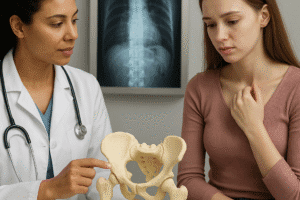

Bone health assessment relies on the precise evaluation of bone mineral density (BMD), which varies considerably among different ethnic groups and geographic regions. Understanding these variations helps clinicians tailor prevention strategies and improves the accuracy of fracture risk prediction. By examining the interplay of genetics, environmental factors, lifestyle choices, and methodological approaches, researchers can untangle the complex web that governs skeletal integrity across diverse populations.
Understanding the Fundamentals of Bone Density Measurement
Accurate quantification of bone mass is vital in diagnosing conditions such as osteoporosis and in monitoring therapeutic interventions. Dual-energy X-ray absorptiometry (DXA) remains the gold standard for measuring areal BMD, offering high precision and low radiation dose. Alternative techniques such as quantitative computed tomography (QCT) and peripheral quantitative computed tomography (pQCT) assess volumetric density and provide insights into trabecular and cortical compartments.
Measurement outcomes depend on device calibration, scan site selection (spine, hip, forearm), and population-specific reference databases. Without appropriate normative data, BMD T-scores and Z-scores may misclassify healthy individuals as osteopenic or osteoporotic. Implementation of ethnic- and region-specific reference curves is therefore essential to avoid diagnostic bias and ensure that fracture prevention strategies target truly at-risk subgroups.
Genetic and Environmental Influences on Bone Density Across Populations
Genetic Determinants
Heritability estimates for bone density range from 50% to 85%, underscoring the substantial role of inherited factors in skeletal development. Multiple genome-wide association studies (GWAS) have identified loci linked to BMD variation, implicating genes involved in the Wnt signaling pathway, collagen synthesis, and bone remodeling. Allelic differences may account for some of the observed disparities in bone mass between ethnicities. For example, individuals of African descent tend to exhibit higher peak bone mass and lower fracture rates compared with Caucasians or Asians, potentially reflecting protective genetic variants that enhance bone formation or reduce resorption.
Environmental and Lifestyle Factors
While genetics set the foundation for bone structure, environmental factors significantly shape ultimate bone mass and strength. Key contributors include:
- nutrition: Adequate intake of calcium, vitamin D, protein, and other micronutrients supports osteoblast activity and matrix mineralization. Dietary patterns vary widely across cultures, with Western diets often higher in animal protein but lower in calcium-rich plant sources compared with traditional Asian diets.
- physical activity: Weight-bearing exercises stimulate mechanical loading, enhancing bone formation via mechanotransduction pathways. Sedentary lifestyles, prevalent in urbanized populations, correlate with accelerated bone loss and increased fracture risk.
- Sunlight exposure and vitamin D synthesis: Latitude, skin pigmentation, and cultural clothing norms influence endogenous vitamin D production, affecting calcium absorption and bone metabolism.
- Socioeconomic status: Access to healthcare, quality of diet, and opportunities for safe exercise differ across regions, indirectly impacting skeletal health.
Interactions between genes and environment further compound these effects. For instance, a genetic predisposition for strong bone may be undermined by chronic undernutrition or physical inactivity, highlighting the need for holistic public health initiatives.
Approaches to Population-Based Bone Density Assessment
Cross-Sectional and Longitudinal Studies
Cross-sectional surveys provide snapshots of BMD distributions within a population at a given time, identifying groups with unusually low or high values. Longitudinal cohort studies, on the other hand, track individuals over years or decades to observe bone accrual during growth and bone loss during aging. Combining both designs offers comprehensive insights into peak bone mass attainment, age-related decline, and the influence of changing lifestyles.
International Consortia and Standardization Efforts
Given the worldwide burden of osteoporotic fractures, international collaborations such as the Bone Density Epidemiology Consortium have harmonized protocols for data collection and analysis. These efforts promote:
- Development of universal calibration phantoms and cross-calibration algorithms to align DXA results from different manufacturers.
- Establishment of multiethnic reference ranges, enabling clinicians to interpret BMD results accurately regardless of patient background.
- Adoption of standardized quality control procedures to minimize interobserver and intercamera variability.
Through these measures, researchers can compare findings across continents and generate robust models predicting fracture probability based on individual BMD values combined with clinical risk factors.
Clinical Implications and Future Research Directions
Tailored strategies for bone health should reflect population-specific risk profiles. In communities exhibiting lower average BMD, early screening and preventive interventions may avert a higher incidence of fragility fractures. Conversely, populations with inherently stronger skeletons may require different thresholds for pharmacological treatment initiation to avoid overtreatment.
Emerging technologies such as high-resolution peripheral QCT (HR-pQCT) and magnetic resonance imaging (MRI) enable detailed evaluation of bone microarchitecture and quality beyond mineral density measurements. Integrating these modalities with genetic risk scores and wearable sensors that monitor mechanical loading promises a more comprehensive assessment of skeletal integrity.
Future research must also address disparities in data availability from underrepresented regions. Large-scale epidemiological studies in Africa, Latin America, and South Asia will enrich our understanding of global skeletal health patterns and support the design of culturally appropriate interventions.