
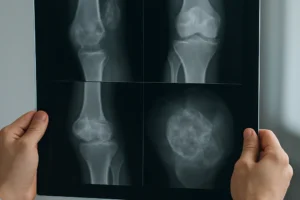
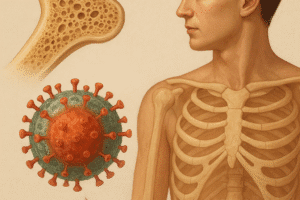
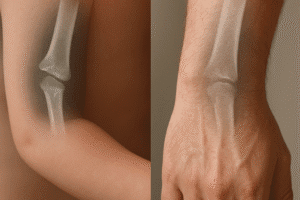
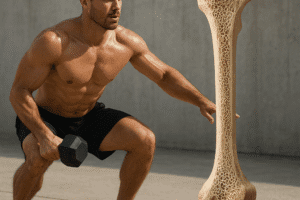
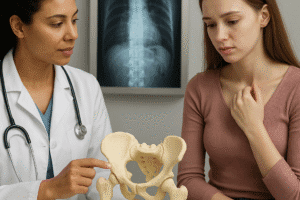

Maintaining robust skeletal integrity is essential for overall mobility and quality of life. Bones serve as the framework of the human body, providing support, protecting organs, and working in concert with muscles to facilitate movement. However, various disorders can compromise bone strength, leading to pain, reduced function, and increased risk of injury. This article examines some of the most prevalent bone conditions, outlines current diagnostic procedures, and explores both established and emerging treatment modalities designed to restore and preserve skeletal health.
Understanding Bone Physiology and Risk Factors
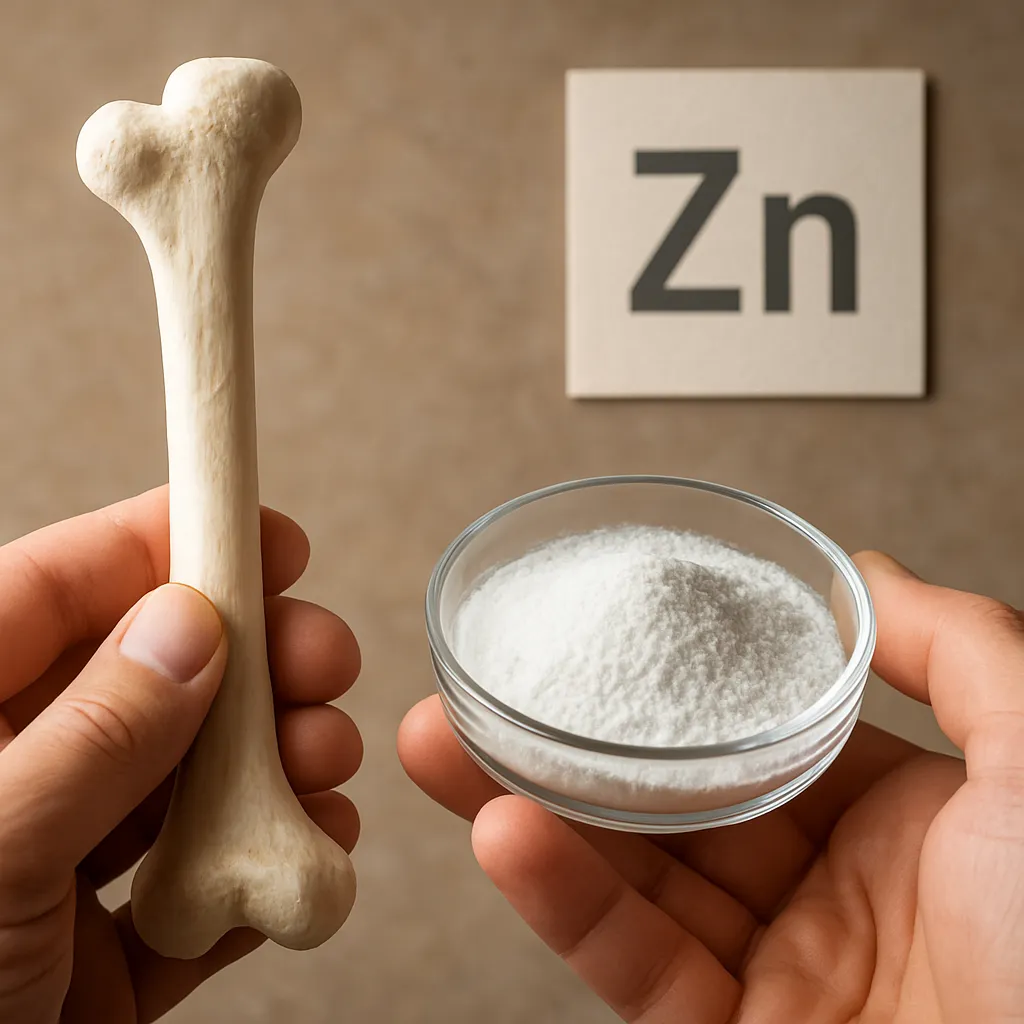
Bone is a dynamic tissue comprised of a mineralized matrix, primarily hydroxyapatite crystals, interlaced with a collagen network. Osteoblasts build new bone, while osteoclasts resorb old or damaged tissue. This balanced remodeling process depends on adequate levels of calcium, vitamin D, and hormonal signals such as parathyroid hormone and estrogen. Disruption of this equilibrium, influenced by genetic and environmental contributors, predisposes individuals to skeletal disorders.
Key Determinants of Bone Health
- Nutritional status: insufficient intake of calcium and vitamin D impairs mineralization.
- Endocrine function: hormonal imbalances (e.g., menopause) accelerate bone loss.
- Physical activity: weight-bearing exercise stimulates bone formation.
- Lifestyle factors: smoking and excessive alcohol consumption weaken bone structure.
- Genetic predisposition: family history of osteoporosis increases personal risk.
A thorough understanding of these risk factors allows for targeted prevention strategies aimed at reducing the incidence of fractures and preserving bone density.
Osteoporosis: Silent Thief of Bone Strength
Osteoporosis is characterized by diminished bone mass and deterioration of microarchitecture, making bones porous and fragile. Often asymptomatic until a fracture occurs, this “silent” disease most commonly affects postmenopausal women and the elderly. Vertebral compression fractures, hip fractures, and wrist breaks are typical manifestations, each carrying significant morbidity and mortality.
Diagnosis and Screening
- Dual-energy X-ray absorptiometry (DEXA): gold standard for measuring bone mineral density (BMD).
- FRAX® tool: estimates 10-year fracture risk based on clinical factors and BMD.
- Laboratory tests: evaluate serum calcium, vitamin D, and markers of bone turnover.
Treatment Approaches
Effective management of osteoporosis combines pharmacological agents with lifestyle modifications:
- Bisphosphonates (e.g., alendronate): inhibit osteoclast-mediated resorption.
- Denosumab: a monoclonal antibody that reduces bone turnover.
- Selective estrogen receptor modulators (SERMs) such as raloxifene: mimic estrogen’s beneficial effects on bone.
- Teriparatide: a recombinant parathyroid hormone analog that stimulates osteoblast activity.
- Supplementation with calcium and vitamin D to ensure adequate mineral supply.
- Regular weight-bearing exercises to promote bone formation.
Rheumatoid and Osteoarthritis: Inflammatory vs. Degenerative
While both forms of arthritis involve joint pain and reduced mobility, their underlying mechanisms differ significantly. Osteoarthritis results from mechanical wear and tear on articular cartilage, leading to bone remodeling and osteophyte formation. In contrast, rheumatoid arthritis is an autoimmune disorder where chronic inflammation erodes joint components, including bone. Each condition demands a tailored therapeutic strategy.
Osteoarthritis Management
- Pain control: nonsteroidal anti-inflammatory drugs (NSAIDs) and acetaminophen.
- Physical therapy: strengthens periarticular muscles and improves joint stability.
- Intra-articular injections: corticosteroids or hyaluronic acid for symptomatic relief.
- Joint replacement surgery in advanced cases to restore function.
Rheumatoid Arthritis Treatment
- Early initiation of disease-modifying antirheumatic drugs (DMARDs) such as methotrexate.
- Biologic therapies (e.g., TNF inhibitors) targeting specific inflammatory pathways.
- Short courses of corticosteroids to control flares.
- Regular monitoring of bone health, as inflammation and glucocorticoids increase osteoporosis risk.
Fracture Healing and Rehabilitation
Bone fractures initiate a complex healing cascade involving hematoma formation, soft callus development, hard callus maturation, and remodeling. Optimal recovery requires both biological and mechanical considerations to ensure proper alignment and stability.
Stabilization Techniques
- Conservative management: casting or bracing for non-displaced fractures.
- Internal fixation: plates, screws, or intramedullary nails maintain alignment.
- External fixation: pins and rods applied outside the body for complex injuries.
Rehabilitation Strategies
After immobilization, a structured physical therapy program is critical. Emphasis is placed on:
- Progressive weight-bearing to stimulate bone remodeling.
- Range-of-motion exercises to prevent joint stiffness.
- Muscle strengthening to support the healing bone.
- Balance and proprioception training to reduce future fall risk.
Adherence to rehabilitation protocols dramatically improves functional outcomes and minimizes the likelihood of malunion or nonunion.
Emerging Therapies and Future Directions
Recent advancements are expanding the therapeutic arsenal against bone disorders. Cutting-edge research focuses on molecular targets, regenerative strategies, and personalized medicine approaches.
Novel Agents
- Sclerostin inhibitors: promote bone formation by blocking an osteocyte-derived inhibitor.
- Cathepsin K inhibitors: reduce bone resorption through osteoclast enzyme inhibition.
- Gene therapy: experimental approaches aim to correct genetic defects in bone remodeling pathways.
Regenerative Medicine
- Mesenchymal stem cell transplantation to enhance repair of large bone defects.
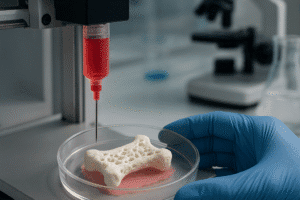
- 3D-printed scaffolds seeded with osteoprogenitor cells for personalized bone grafts.
Personalized Treatment Paradigms
Integration of genomic data, biomarkers, and advanced imaging allows clinicians to tailor interventions to each patient’s unique profile, optimizing efficacy while minimizing adverse effects. The future of bone medicine lies in harnessing these innovations to deliver precision care and improve long-term skeletal resilience.
Preventive Strategies and Patient Education
Prevention remains the cornerstone of managing bone disorders. Early life interventions yield the greatest benefits for peak bone mass and lifelong skeletal health.
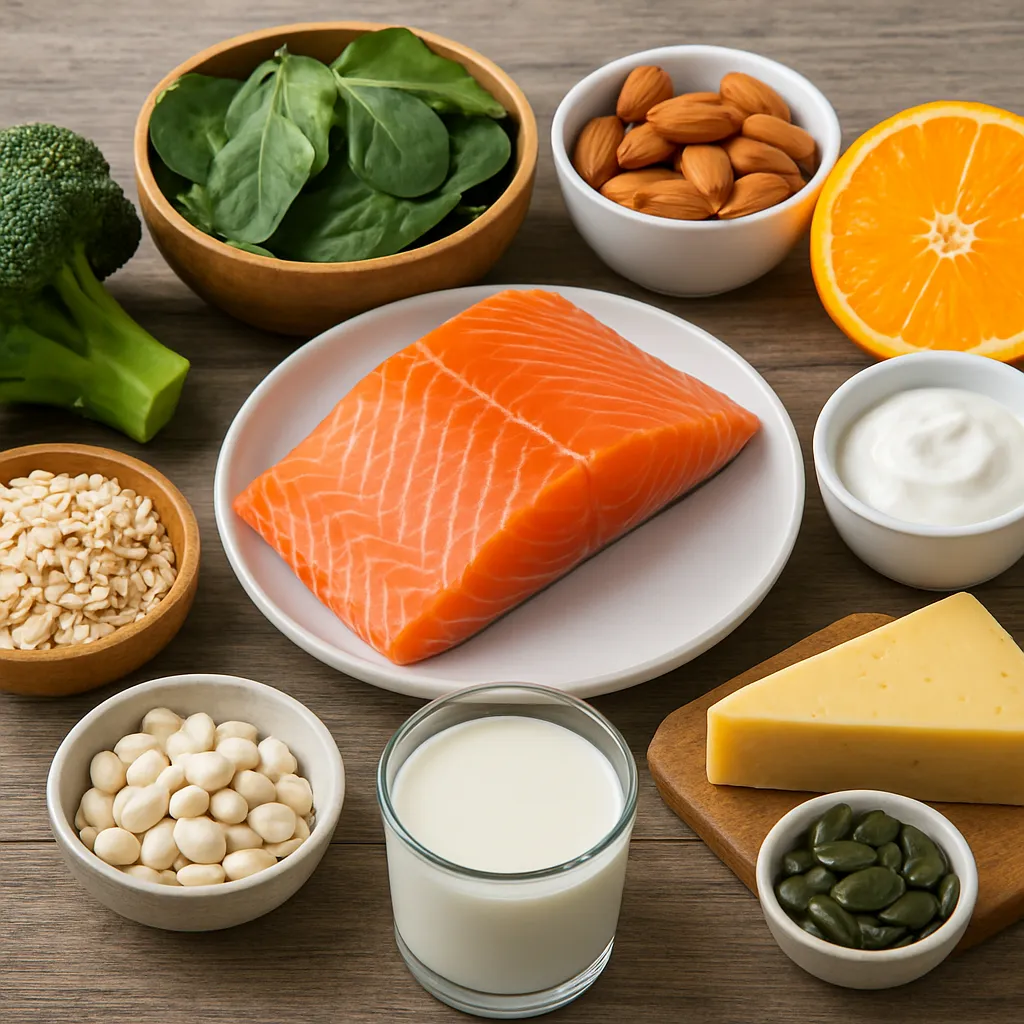
- Balanced diet rich in dairy, leafy greens, and fortified foods.
- Regular sun exposure and supplementation to maintain adequate vitamin D levels.
- Daily physical activities, including resistance training and aerobic exercise.
- Avoidance of tobacco products and moderation of alcohol intake.
- Routine screening for high-risk populations to detect and treat low bone density promptly.
Educating patients about the importance of bone health empowers them to adopt sustainable lifestyle changes and adhere to treatment plans, ultimately reducing the burden of fracture-related complications.