
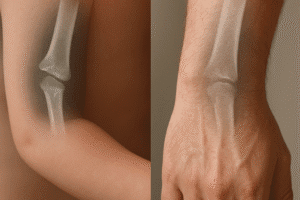


The complex process of bone healing and reconstruction draws upon a multitude of disciplines, from molecular biology and materials science to advanced surgical methods. Innovations in tissue engineering and biotechnology are transforming the way clinicians approach bone defects, fractures, and degenerative disorders. This article explores recent strides in reconstructive strategies, encompassing biomaterial development, cellular therapies, surgical innovations, and emerging technologies poised to shape the future of orthopedic and maxillofacial medicine.
History and Foundations of Bone Regeneration
Early attempts at repairing bone defects relied primarily on autografts, harvested from the patient’s own iliac crest or other donor sites. While effective in many cases, autografts present limitations such as donor-site morbidity, limited graft volume, and prolonged recovery. The advent of allografts addressed volume constraints but introduced risks related to immune rejection and disease transmission. Against this backdrop, researchers sought to develop synthetic and biological alternatives that could reliably support osteogenesis and remodeling.
Milestones in this journey include the identification of key growth factors like bone morphogenetic proteins (BMPs), which play pivotal roles in bone formation and repair. Pioneering work on calcium phosphate ceramics laid the groundwork for modern biomaterials. The concept of combining porous matrices with bioactive compounds set the stage for the next generation of bone graft substitutes.
Advances in Biomaterial Scaffolds
Contemporary scaffold design emphasizes three core attributes: biocompatibility, mechanical integrity, and a porous architecture conducive to cell infiltration and vascular ingrowth. Materials range from natural polymers (e.g., collagen, chitosan) to synthetic polymers (e.g., polycaprolactone, polylactic acid) and inorganic ceramics (e.g., hydroxyapatite, tricalcium phosphate).
- Composite scaffolds that combine polymers and ceramics deliver optimal biomaterials properties, merging toughness with osteoconductivity.
- Incorporation of nanotechnology creates nanostructured surfaces that mimic natural bone mineral organization, improving cell adhesion.
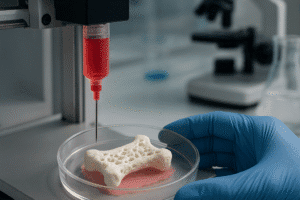
- 3D printing enables patient-specific geometries to match irregular defect shapes; computer-aided design ensures precise anatomical fit.
Innovations in manufacturing, such as melt electrospinning writing and stereolithography, have refined pore size control down to the micron scale. This level of precision bolsters nutrient diffusion, waste removal, and the eventual formation of new bone tissue within the graft.
Cellular and Molecular Therapies
Cell-based therapies have revolutionized bone regeneration by providing a viable population of osteoprogenitor cells. Mesenchymal stem cells (MSCs) derived from bone marrow, adipose tissue, or umbilical cord present multipotent capabilities, differentiating into osteoblasts under the right stimuli. Clinical trials have demonstrated enhanced healing in critical-size defects when MSCs are seeded onto scaffolds loaded with osteoinductive signals.
Key aspects of cellular therapy include:
- Preconditioning cells with hypoxia or biochemical cues to upregulate pro-osteogenic genes.
- Genetic modification techniques to overexpress growth factors such as BMP-2 or VEGF, promoting both bone formation and vascularization.
- Co-culture systems that combine MSCs with endothelial cells to foster the establishment of microvascular networks.
Recent breakthroughs involve the use of extracellular vesicles (EVs) and exosomes as cell-free alternatives. These nanovesicles deliver a concentrated package of regulatory microRNAs and proteins, orchestrating the local bone repair environment without the risks associated with live cell transplantation.
Surgical Techniques and Clinical Integration
Minimally invasive approaches are reducing operative trauma while maintaining the integrity of the surrounding tissues. Endoscopic and arthroscopic methods allow for graft placement and fixation with smaller incisions, accelerating patient recovery. Navigation systems utilizing real-time imaging guide surgeons to position implants accurately, reducing the risk of malalignment and promoting uniform load transfer.
Internal fixation devices, such as locking plates and intramedullary nails, have also evolved to accommodate scaffold integration. Biodegradable metal alloys (e.g., magnesium-based) provide temporary support and gradually degrade as new bone forms, eliminating the need for hardware removal.
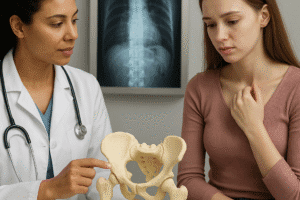
Regenerative strategies are increasingly tailored to patient-specific factors, including age, comorbidities, and defect characteristics. Biomarker analysis helps predict healing potential, guiding the choice between conservative treatments and advanced reconstruction protocols.
Role of Mechanical Stimulation and Biophysical Cues
Bone is a dynamic tissue that responds favorably to mechanical forces. Controlled mechanical loading through bioreactors or implantable devices accelerates regenerative processes by stimulating mechanotransduction pathways. Devices that deliver low-intensity pulsed ultrasound (LIPUS) or electromagnetic fields have shown promising results in non-union fractures.
- Dynamic compression bioreactors cultured in vitro allow preconditioning of scaffold–cell constructs for enhanced matrix deposition.
- Smart implants with embedded sensors monitor strain distribution, ensuring that mechanical loads remain within optimal thresholds for bone formation.
Understanding the interplay between mechanical and biochemical signals is essential. Research in biomechanics unravels how cells sense and convert physical stimuli into gene expression changes, providing insights for more effective therapeutic regimens.
Emerging Trends and Future Directions
The horizon of bone reconstruction research includes biofabrication platforms capable of printing living tissues with integrated vascular channels. Advanced hydrogels laden with growth factors and cells mimic the native extracellular matrix, offering real-time remodeling cues. Immunomodulatory approaches aim to harness the patient’s own immune system to support regeneration, rather than simply suppressing adverse reactions.
Personalizing therapies through personalized medicine, driven by genetic profiling and advanced imaging analytics, will revolutionize treatment planning. Artificial intelligence algorithms are already predicting optimal implant designs and estimating healing times based on large datasets.
Collaborations across disciplines—combining insights from genomics, materials science, and surgical practice—will continue to accelerate the development of robust, safe, and effective solutions for bone loss and defects. As these innovations transition from bench to bedside, patients facing debilitating bone injuries can anticipate a future where functional recovery is faster, more reliable, and tailored to individual needs.