







Bone cancer represents a complex group of malignant disorders arising from the skeletal system. Unlike metastatic bone lesions, primary bone tumors originate within bone tissue itself. Advancements in diagnostic technologies and therapeutic strategies have revolutionized patient care, offering hope for improved survival and quality of life. This article explores the latest progress in detection, molecular characterization, and treatment modalities for bone malignancies.
Clinical Presentation and Epidemiology
Primary bone tumors are relatively rare, accounting for less than 1% of all cancers. However, the burden of disease is substantial, particularly in pediatric and young adult populations. The three most common subtypes are osteosarcoma, chondrosarcoma, and Ewing sarcoma. Each displays distinct age distributions, anatomical sites, and clinical courses. Osteosarcoma typically peaks in adolescence, often involving the metaphyses of long bones. Chondrosarcoma arises in middle-aged to older adults, frequently originating within cartilaginous structures of the pelvis, shoulder, or ribs. Ewing sarcoma affects children and young adults, with predilection for diaphyseal bone shafts and the pelvis.
Diagnostic Innovations
Advanced Imaging Techniques
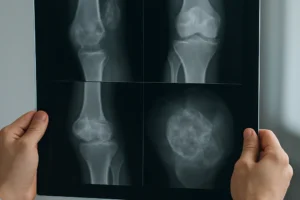
Early and accurate diagnosis relies on high-resolution imaging. Conventional radiographs remain the initial modality, revealing characteristic lytic, sclerotic, or mixed lesions. Cross-sectional studies using MRI offer superior soft tissue contrast, enabling precise delineation of tumor margins and involvement of neurovascular bundles. Computed tomography (CT) scans are invaluable in assessing cortical bone destruction and planning surgical resections. Functional imaging with PET-CT, employing fluorodeoxyglucose (FDG), provides metabolic data correlating with tumor aggressiveness and response to therapy.
Molecular and Histopathological Assessment
- Core needle biopsy under imaging guidance ensures representative sampling while minimizing morbidity.
- Histopathology distinguishes between high-grade and low-grade lesions, informs the subclassification, and identifies prognostic features such as mitotic rate and necrosis.
- Genetic profiling reveals chromosomal translocations in Ewing sarcoma (EWSR1-FLI1) and mutations in IDH1/2 in certain chondrosarcomas.
- Next-generation sequencing allows comprehensive detection of actionable alterations, a cornerstone of precision medicine.
Multimodal Treatment Strategies
Neoadjuvant and Adjuvant Chemotherapy
Cytotoxic chemotherapy remains a cornerstone in managing high-grade bone cancers. In osteosarcoma, multi-agent regimens combining methotrexate, doxorubicin, and cisplatin (MAP) have improved survival rates. Ewing sarcoma protocols integrate vincristine, ifosfamide, doxorubicin, and etoposide (VIDE) preoperatively. These agents reduce tumor burden, facilitate limb-sparing surgeries, and eradicate micrometastatic disease. Ongoing trials optimize dosing schedules and evaluate novel agents.
Surgical Approaches and Limb Salvage
Complete surgical excision with negative margins is critical for local control. Historically, amputations were common. Today, advances in reconstructive techniques allow limb salvage in over 80% of cases. Custom endoprostheses, allografts, and rotationplasty offer functional preservation. In chondrosarcoma, where chemotherapy is less effective, wide local excision remains the primary therapy. Robotic-assisted resections and patient-specific cutting guides enhance precision.
Radiation and Novel Local Therapies
While osteosarcoma typically exhibits radioresistance, high-dose proton and carbon ion therapy show promise in unresectable or marginal cases. Ewing sarcoma is highly radiosensitive, and conformal techniques minimize damage to surrounding tissues. Intraoperative radiotherapy (IORT) delivers a concentrated dose directly to the tumor bed. Techniques such as high-intensity focused ultrasound (HIFU) are under investigation for noninvasive ablation of select lesions.
Targeted and Immunotherapeutic Advances
Targeted Molecular Inhibitors
As understanding of bone tumor genomics deepens, targeted agents have entered clinical trials. Tyrosine kinase inhibitors against VEGFR and PDGFR exhibit activity in advanced osteosarcoma. IDH inhibitors disrupt aberrant metabolic pathways in chondrosarcoma subtypes. Small-molecule inhibitors of the EWS-FLI1 fusion protein are emerging therapies in Ewing sarcoma, aimed at blocking the oncoprotein’s transcriptional activity.
Immunotherapy Approaches
Harnessing the immune system offers a new frontier in bone cancer treatment. Checkpoint blockade targeting PD-1/PD-L1 has demonstrated activity in select sarcoma patients. Chimeric antigen receptor (CAR) T-cell therapies directed against surface antigens such as GD2 are in early-phase trials for osteosarcoma. Vaccine strategies utilizing tumor-associated antigens aim to generate long-lasting immunity. Combination regimens that integrate immunotherapy with chemotherapy or radiation seek synergistic effects.
Emerging Biomarkers and Future Directions
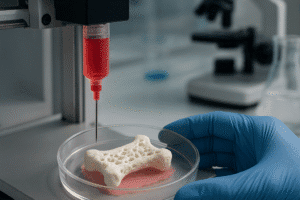
Liquid biopsies detecting circulating tumor DNA (ctDNA) and exosomes provide noninvasive means to monitor treatment response and detect minimal residual disease. Advanced proteomic and metabolomic profiling may yield predictive biomarkers guiding individualized therapy. Artificial intelligence algorithms applied to radiomics data can improve diagnostic accuracy and prognostication. Moreover, 3D bioprinting of bone tumor models offers platforms for drug screening and personalized treatment simulations.
Challenges and Prospects
- Heterogeneity of bone tumors demands tailored strategies rather than one-size-fits-all approaches.
- Resistance mechanisms to chemotherapy and targeted agents necessitate continuous development of new compounds.
- Access to specialized centers and multidisciplinary teams is essential for optimal outcomes.
- Global collaborations and registries will accelerate data sharing and clinical trial enrollment.
As research progresses, integration of molecular insights with surgical innovation and systemic therapies promises to transform the care paradigm for bone cancer patients. Early detection, risk-adapted treatment, and novel agents herald an era of personalized oncology, offering renewed hope for those affected by these challenging malignancies.