



Bone imaging has undergone a profound transformation over the past decade, driven by technological breakthroughs that enhance diagnostic accuracy and patient outcomes. From traditional radiography to emerging modalities, clinicians and researchers now have access to tools that reveal both structural and functional details at unprecedented resolution. This article explores the latest advances in bone imaging technology, focusing on innovations in modalities, quantitative assessment methods, and clinical applications shaping the future of musculoskeletal medicine.
Innovations in Imaging Modalities
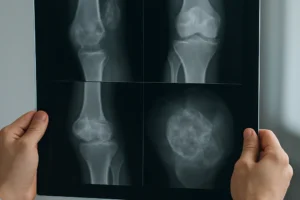
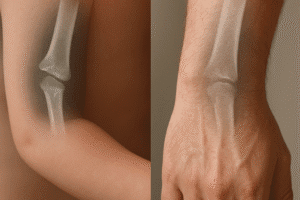
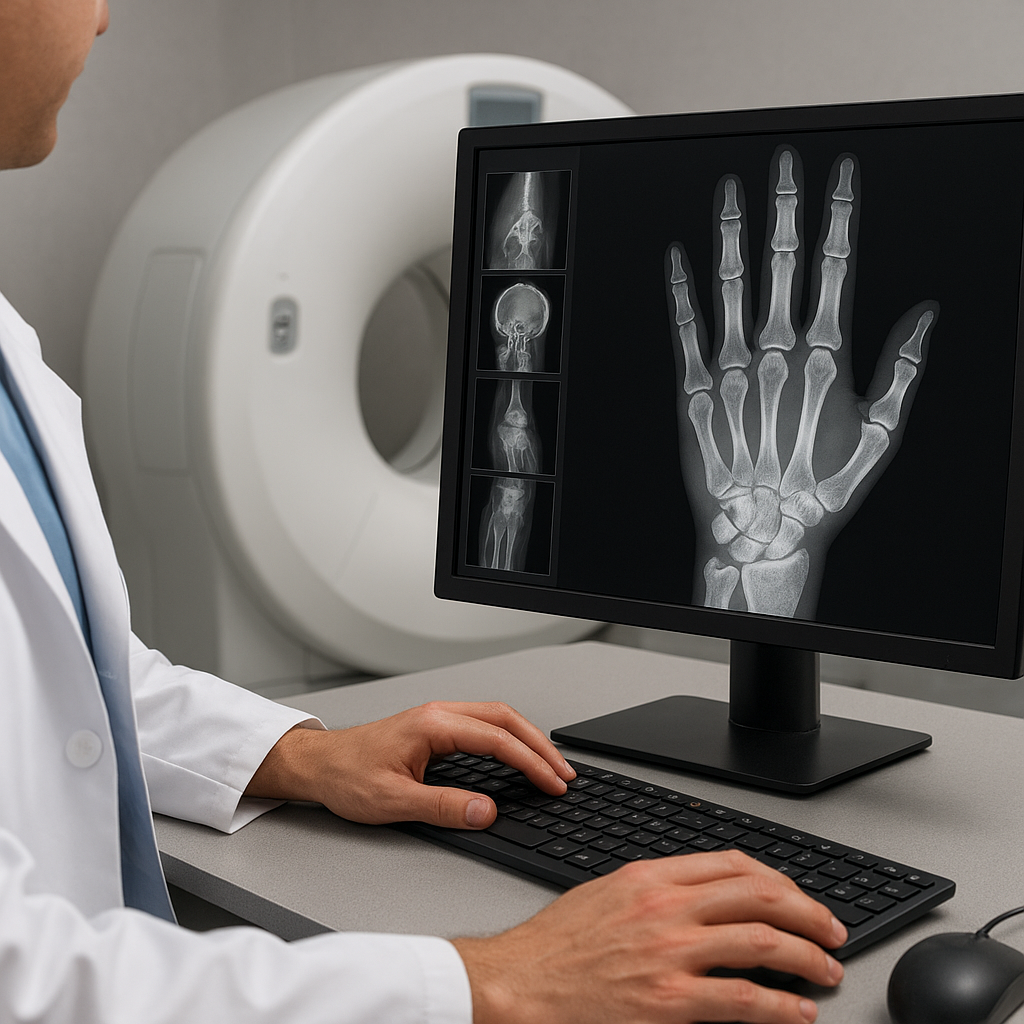
Conventional X-ray radiography remains the first-line modality for screening fractures and evaluating bone alignment. However, its two-dimensional projection imposes limitations on detecting subtle changes in density and geometry. Advanced techniques have been developed to overcome these constraints:
- Computed tomography (CT): Modern CT scanners employ multi-detector arrays and iterative reconstruction algorithms that reduce radiation dose while improving spatial resolution. High-resolution peripheral quantitative CT (HR-pQCT) systems enable in vivo assessment of trabecular microarchitecture, offering valuable insights into fracture risk beyond bone mineral density alone.
- Magnetic resonance imaging (MRI): New pulse sequences, such as ultrashort echo time (UTE) and zero echo time (ZTE), capture cortical bone signal previously invisible to conventional MRI. These sequences allow simultaneous evaluation of bone and soft tissues, aiding in the detection of occult fractures, bone marrow edema, and articular cartilage abnormalities.
- Ultrasound: Portable ultrasound devices now incorporate shear wave elastography to measure bone stiffness and elasticity, providing a non-ionizing alternative for pediatric and pregnant patients. High-frequency transducers visualize cortical thickness and detect periosteal changes in inflammatory conditions.
- Molecular imaging: Positron emission tomography (PET) with bone-seeking radiotracers like 18F-NaF highlights areas of increased osteoblastic activity, identifying metastatic lesions and sites of bone remodeling. Hybrid PET/CT and PET/MRI systems combine functional data with precise anatomical localization.
Quantitative Assessment and Analytical Techniques
Beyond qualitative visualization, quantitative metrics have become essential for evaluating bone health and treatment efficacy. Researchers leverage computational tools to extract meaningful parameters from imaging data:
Bone Mineral Density and Structural Metrics
- Bone mineral density (BMD) assessment via dual-energy X-ray absorptiometry (DXA) remains the gold standard for diagnosing osteoporosis. Recent software updates allow for three-dimensional reconstructions and region-specific analysis, enhancing the sensitivity to detect localized bone loss.
- Microarchitectural parameters such as trabecular thickness, separation, and number are quantified by HR-pQCT. These measures correlate with biomechanical strength and fracture risk, offering a more comprehensive picture than BMD alone.
Finite Element Analysis and Mechanical Modeling
Finite element analysis (FEA) integrates imaging data with mechanical simulations to predict fracture patterns and implant performance. High-resolution scans are converted into volumetric meshes, and material properties are assigned based on density values. This approach enables personalized risk assessment and optimizes surgical planning for complex reconstructions.
Machine Learning and Automated Segmentation
Artificial intelligence algorithms accelerate image processing by automating segmentation of cortical and trabecular compartments. Convolutional neural networks trained on large datasets identify subtle textural changes associated with early disease. Predictive models further stratify patients based on risk factors, guiding preventive strategies and monitoring therapeutic response.
Clinical Applications and Future Directions
The integration of advanced imaging into clinical workflows has already impacted multiple domains:
- Osteoporosis management: Combining BMD, microarchitecture, and FEA data refines fracture risk prediction and tailors anti-resorptive or anabolic therapies.
- Oncology: Enhanced detection of bone lesions improves staging and treatment planning for primary bone tumors and skeletal metastases. Molecular imaging pinpoints active disease sites, enabling targeted radiotherapy.
- Pediatric orthopedics: Low-dose modalities and radiation-free options minimize exposure while accurately diagnosing growth plate injuries and congenital malformations.
- Sports medicine: Dynamic ultrasound and MRI techniques track healing progression in stress fractures and overuse injuries, guiding return-to-play decisions.
Looking ahead, emerging trends promise further refinement:
- Integration of multi-omics data with imaging biomarkers to uncover molecular signatures of bone disorders.
- Development of portable, point-of-care scanners that bring high-resolution imaging to remote and resource-limited settings.
- Advances in contrast agents that target specific cellular processes, enhancing the specificity of functional imaging.
Challenges and Integration Strategies
Despite rapid progress, several obstacles must be addressed for widespread adoption:
- Standardization: Harmonizing acquisition protocols and analysis methods across platforms is critical to ensure reproducibility and comparability of results.
- Cost and Accessibility: High-end scanners and specialized software can be prohibitively expensive. Strategies to reduce hardware costs and open-source software initiatives may bridge the gap.
- Training and Expertise: Clinicians and technicians require education in new imaging physics and data interpretation. Interdisciplinary collaboration between radiologists, engineers, and biologists will accelerate translation.
- Regulatory and Ethical Considerations: The use of AI for diagnosis raises questions about accountability and patient privacy. Robust validation studies and clear guidelines are essential.