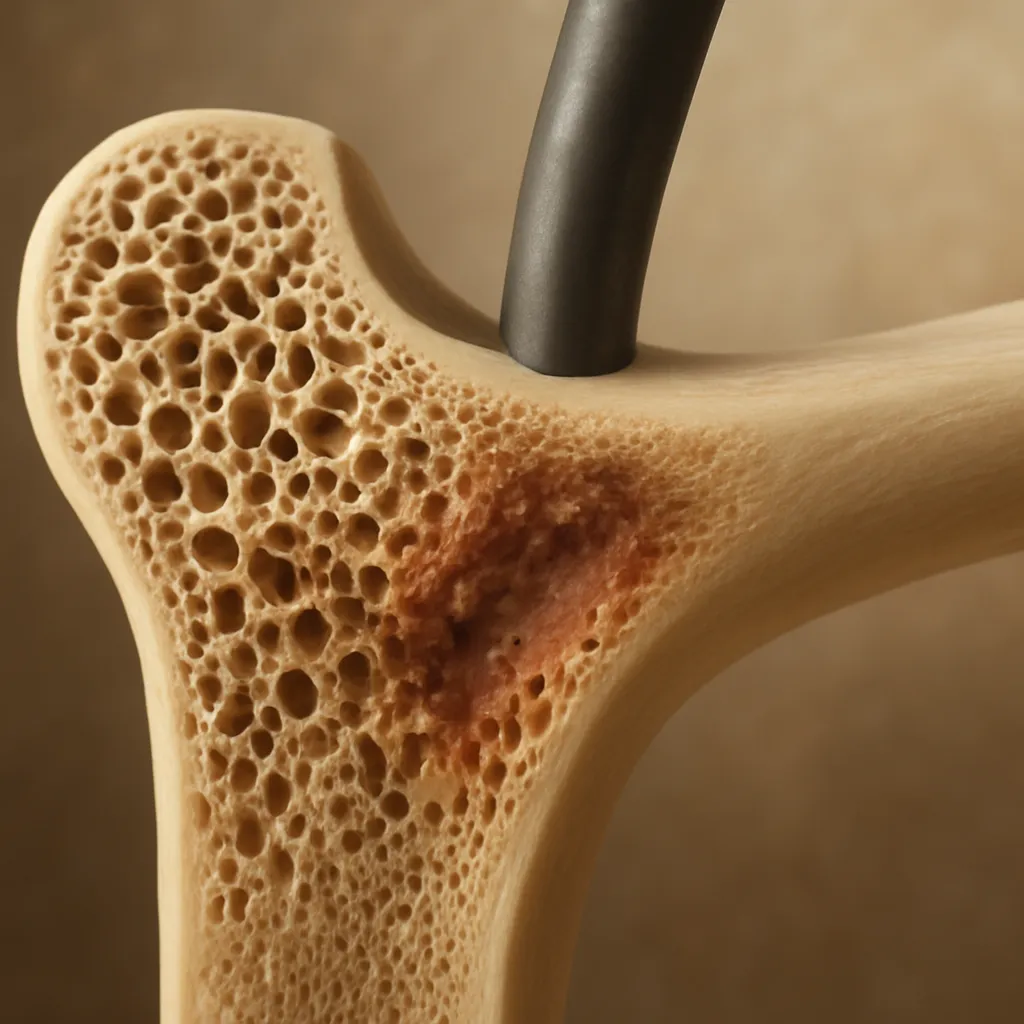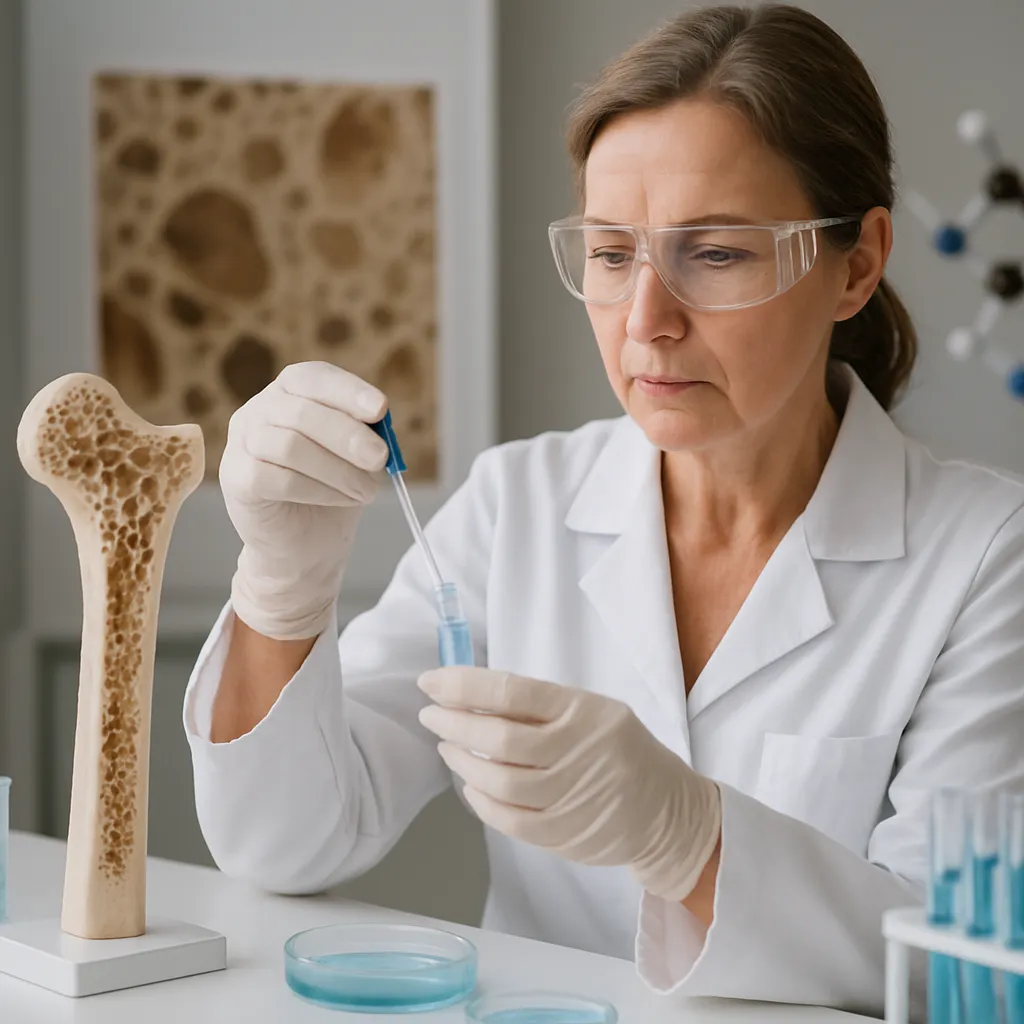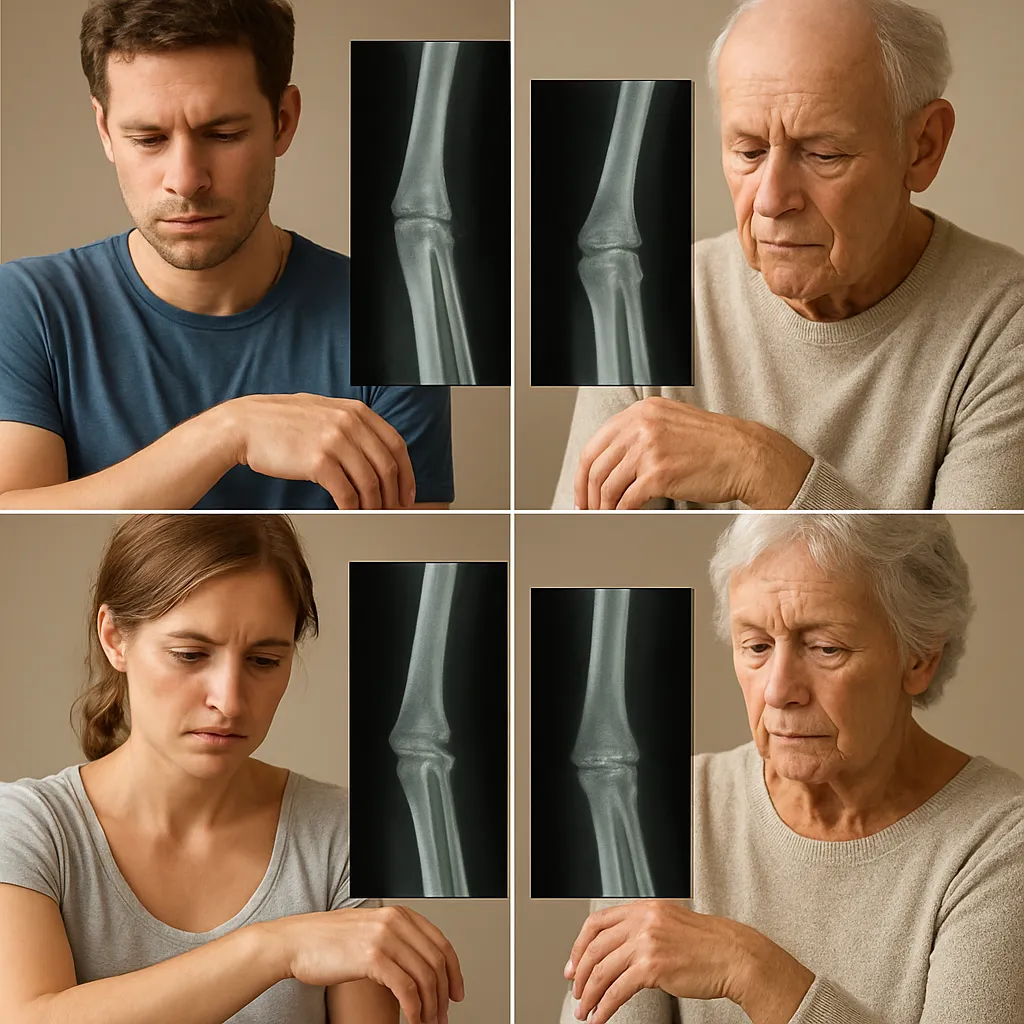
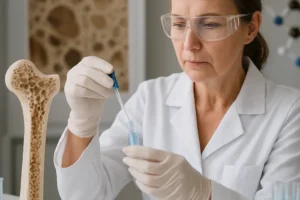

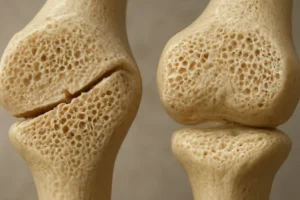
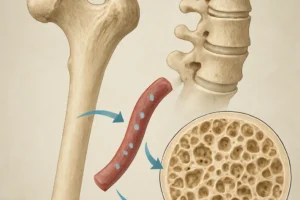

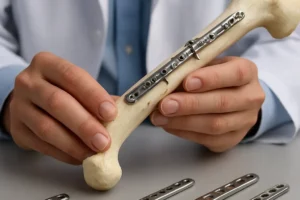

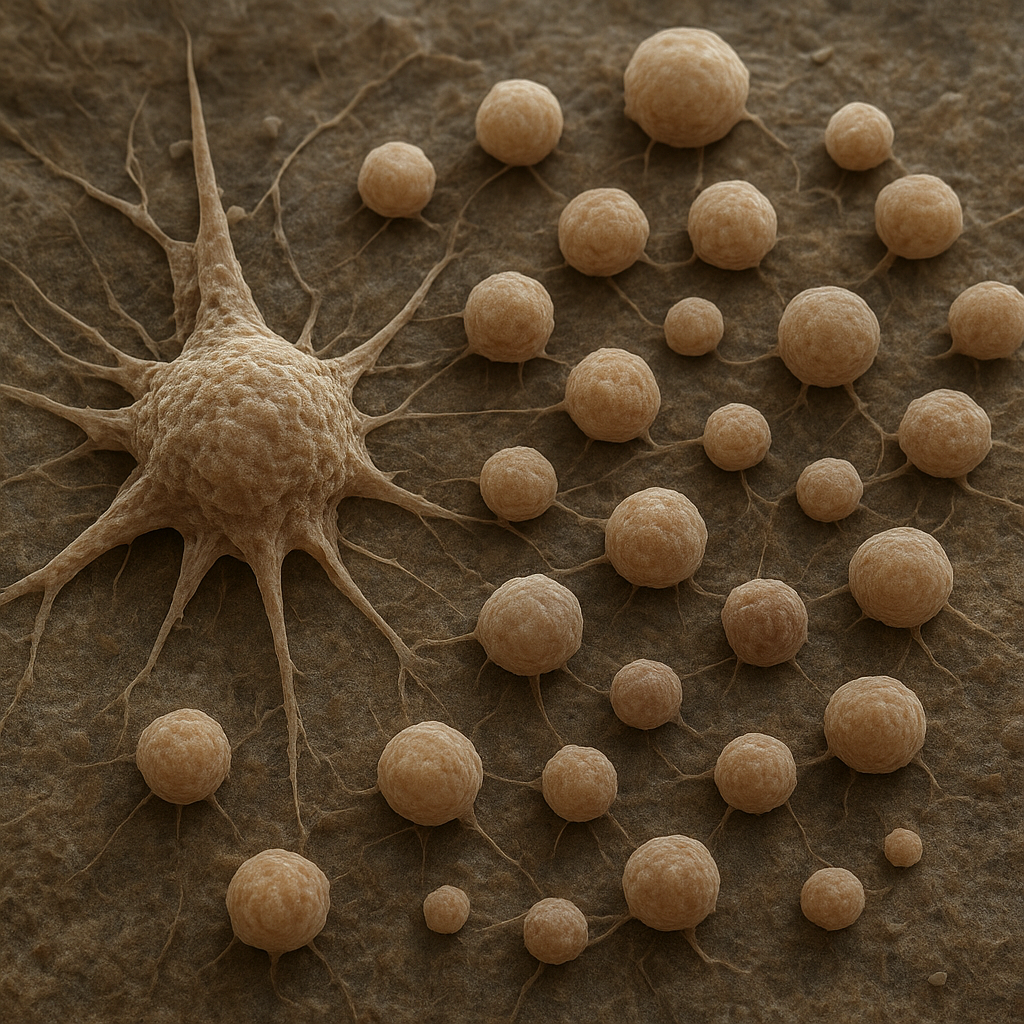
Bone tissue is a dynamic structure undergoing constant remodeling through tightly regulated processes of cell proliferation, differentiation, and apoptosis. Recent advances in molecular biology and imaging techniques have shed light on the intricate mechanisms that govern the fate decisions of progenitor cells within the bone microenvironment. These new insights hold promise for developing novel strategies to treat disorders such as osteoporosis, fracture non-union, and metabolic bone diseases.
Cellular Origins and Lineage Commitment
The bone marrow niche harbors a heterogeneous population of stem and progenitor cells. Among these, mesenchymal stem cells (MSCs) and hematopoietic stem cells (HSCs) represent the primary sources for bone-forming and bone-resorbing lineages, respectively. MSCs give rise to osteoblasts, chondrocytes, and adipocytes, while HSCs differentiate into osteoclasts under the influence of specific cytokines. The balance between osteoblast and osteoclast activity ensures skeletal integrity. A disruption in lineage commitment can lead to pathological states such as excessive bone resorption or impaired bone formation.
Mesenchymal Stem Cell Plasticity
MSCs possess a remarkable capacity for lineage plasticity. Microenvironmental cues, including mechanical forces and biochemical signals, direct their fate toward osteoblastic differentiation. For instance, substrate stiffness and shear stress can activate the transcription factor RUNX2, a master regulator of osteogenesis. Conversely, the presence of PPARγ drives MSCs toward adipogenesis, often at the expense of bone formation. Identifying the molecular switches that tip the balance between these fates is critical for regenerative medicine.
Osteoclastogenesis and Bone Resorption
Osteoclasts originate from the monocyte/macrophage lineage and require signaling through receptor activator of nuclear factor κB ligand (RANKL) and macrophage colony-stimulating factor (M-CSF). RANKL binding to its receptor RANK triggers a cascade involving NF-κB and NFATc1, culminating in the expression of genes essential for the resorptive function. Dysregulation of RANKL production by osteoblasts or stromal cells can result in excessive bone degradation, as observed in osteoporosis and rheumatoid arthritis.
Signaling Pathways and Transcriptional Networks
A complex interplay of growth factors, cytokines, and extracellular matrix components orchestrates the progression from progenitor cell to mature bone cell. Central to this regulation are several signaling axes that integrate external stimuli and coordinate gene expression programs.
- Wnt/β-catenin signaling: Activation of this pathway supports osteoblast proliferation and survival. Wnt ligands bind to Frizzled receptors, stabilizing β-catenin in the cytoplasm. Nuclear translocation of β-catenin drives transcription of osteogenic genes.
- Bone morphogenetic proteins (BMPs): Members of the TGF-β superfamily, BMPs such as BMP-2 and BMP-7 induce osteogenic differentiation via Smad-dependent and Smad-independent pathways.
- Notch signaling: Notch receptors and ligands modulate the balance between progenitor expansion and differentiation. While Notch activation can maintain an undifferentiated state, context-dependent crosstalk with Wnt or BMP pathways fine-tunes the osteogenic outcome.
- Hedgehog signaling: Indian hedgehog (Ihh) secreted by chondrocytes coordinates endochondral ossification by regulating MSC recruitment and osteoblast maturation.
Transcription Factors and Epigenetic Regulation
RUNX2 and Osterix (SP7) are indispensable transcription factors for osteoblast lineage commitment. RUNX2 deficiency arrests differentiation at the pre-osteoblast stage, whereas loss of SP7 impairs maturation of osteoblasts into matrix-secreting cells. Beyond transcription factors, epigenetic modifiers such as histone deacetylases (HDACs) and DNA methyltransferases (DNMTs) contribute to lineage-specific gene expression. Histone modifications establish permissive or repressive chromatin states, enabling dynamic responses to developmental signals.
Mechanical Signals and Mechanotransduction
The skeleton constantly experiences mechanical loading that influences cell behavior through mechanotransduction. Integrin-based focal adhesions sense extracellular forces and convert them into intracellular biochemical signals. Activation of FAK and ERK pathways leads to enhanced osteogenic gene expression. Disuse or microgravity conditions diminish mechanical stimuli, leading to bone loss, highlighting the importance of mechanical cues in maintaining bone mass.
Clinical Implications and Therapeutic Opportunities
Translating basic research on bone cell differentiation into clinical practice offers avenues to treat a variety of skeletal disorders. Novel therapies target specific components of differentiation pathways to restore homeostasis in diseased bone.
Regenerative Medicine and Tissue Engineering
Engineered scaffolds seeded with MSCs and enriched with osteoinductive factors have shown promise in preclinical models for repairing critical-sized bone defects. Biodegradable polymers combined with BMP-2 or Wnt agonists can promote robust bone regeneration. Advances in three-dimensional bioprinting allow precise spatial patterning of cells and biomolecules, recreating the complex architecture of native bone.
Pharmacological Modulation of Signaling Pathways
- Anti-resorptive agents such as denosumab, a monoclonal antibody against RANKL, effectively reduce osteoclast activity and fracture risk in osteoporosis patients.
- Teriparatide, a recombinant parathyroid hormone fragment, stimulates osteoblast differentiation when administered intermittently, enhancing bone formation.
- Small molecule inhibitors of sclerostin, an osteocyte-derived antagonist of Wnt signaling, have emerged as anabolic therapies that increase bone mineral density.
Biomarkers and Personalized Medicine
Identification of circulating biomarkers such as osteocalcin, C-terminal telopeptide (CTX), and microRNAs provides insights into bone turnover rates and treatment efficacy. Genetic profiling of patients may predict responsiveness to specific drugs targeting differentiation pathways, paving the way toward personalized skeletal care.
Emerging Frontiers
Cutting-edge research explores the role of the bone marrow microenvironment in systemic diseases, uncovering links between bone cell signaling and metabolic disorders, immune regulation, and hematopoiesis. Additionally, nanotechnology-based delivery systems aim to target differentiation modulators directly to bone tissue, minimizing off-target effects. Understanding the interplay between bone cells and the broader physiological context will continue to drive innovative therapies.